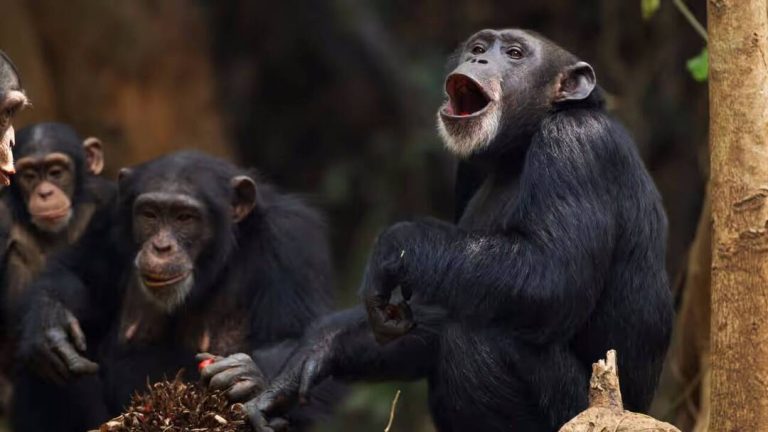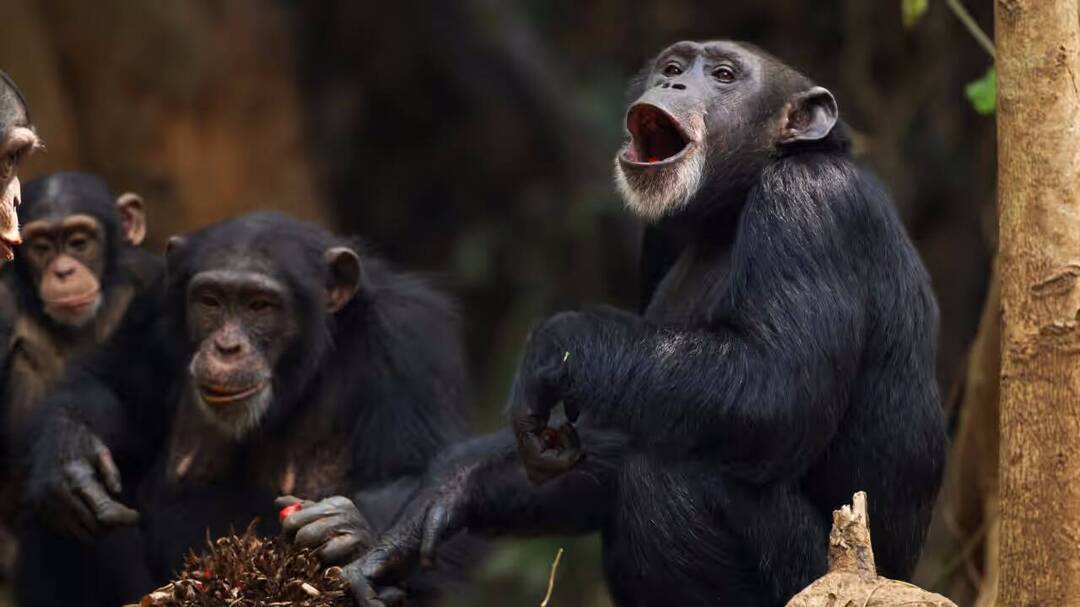
New research explains same-sex behaviour across animal species
Same-sex behaviour is a widespread phenomenon in the animal kingdom, with observations of such behaviour in hundreds of species, from birds and mammals to fish and insects. For a long time, scientists have been puzzled by the existence of same-sex behaviour in animals, with many wondering why it would evolve in the first place. After all, doesn’t the primary goal of any living organism be to reproduce and pass on its genes to the next generation? A new study by researchers at Imperial College London has shed some light on this question, providing a fascinating explanation for the prevalence of same-sex behaviour across animal species.
The study, which covered hundreds of species, suggests that same-sex behaviour is not just a quirk of nature, but rather an adaptation that helps strengthen social bonds in complex or harsh environments. According to the researchers, same-sex behaviour is more common in species that live in challenging or unpredictable environments, where cooperation and mutual support are essential for survival. In these environments, same-sex behaviour can help individuals form close bonds with each other, which can be crucial for protection, foraging, and other essential activities.
One of the key findings of the study is that environmental and social pressures, rather than genetics alone, drive same-sex behaviour across the animal kingdom. This means that same-sex behaviour is not solely determined by an individual’s genetic makeup, but is also influenced by the social and environmental context in which it lives. For example, in some species, same-sex behaviour may be more common in females than in males, while in other species, the reverse may be true. The study also found that same-sex behaviour can be influenced by factors such as social status, age, and experience.
The researchers used a range of methods to study same-sex behaviour in animals, including observations of behaviour in the wild, experiments in controlled laboratory settings, and analysis of existing data on animal behaviour. They also drew on insights from evolutionary theory, sociology, and psychology to help explain their findings. By taking a multidisciplinary approach, the researchers were able to gain a deeper understanding of the complex factors that contribute to same-sex behaviour in animals.
So, what are some examples of same-sex behaviour in animals? One well-known example is the bonobo, a species of ape that is known for its high levels of same-sex activity. Bonobos are highly social creatures that live in large communities, and same-sex behaviour is an important part of their social bonding. In fact, bonobos are known to engage in same-sex behaviour more frequently than any other mammal, with both males and females participating in same-sex activities.
Another example is the giraffe, where same-sex behaviour is common among males. In giraffe societies, males will often form close bonds with each other, and same-sex behaviour is a way of strengthening these bonds. This is important for giraffes, as they need to work together to protect their territory and find food.
Same-sex behaviour is also common in bird species, such as swans and geese. In these species, same-sex pairs will often form long-term bonds, and even raise young together. This is interesting, as it suggests that same-sex behaviour can be compatible with reproductive success, and may even provide some advantages in terms of raising offspring.
The study’s findings have important implications for our understanding of same-sex behaviour in humans. While the study did not focus specifically on human same-sex behaviour, its findings suggest that same-sex behaviour is a natural part of the animal kingdom, and is not unique to humans. This challenges the idea that same-sex behaviour is somehow “unnatural” or “abnormal”, and highlights the importance of accepting and respecting diversity in all its forms.
In conclusion, the new study by researchers at Imperial College London provides a fascinating insight into the world of same-sex behaviour in animals. By showing that same-sex behaviour is an adaptation that helps strengthen social bonds in complex or harsh environments, the study highlights the importance of cooperation and mutual support in the animal kingdom. The study’s findings also challenge our assumptions about the nature of same-sex behaviour, and provide a more nuanced understanding of the complex factors that contribute to this phenomenon.
The study’s results are a reminder that the natural world is full of diversity and complexity, and that same-sex behaviour is just one of many examples of the fascinating ways in which animals interact with each other. By studying same-sex behaviour in animals, we can gain a deeper understanding of the evolution of social behaviour, and the importance of cooperation and mutual support in the natural world.
About the Author