New research explains same-sex behaviour across animal species
Same-sex behaviour is a phenomenon that has been observed in various animal species, leaving scientists and researchers puzzled about its underlying causes. While it was previously believed to be an anomaly or a result of genetic mutations, a new study by researchers at Imperial College London has shed light on the reasons behind this behaviour. The study, which covered hundreds of species, suggests that same-sex behaviour is not just a random occurrence, but rather an adaptive strategy that helps strengthen social bonds in complex or harsh environments, ultimately improving cooperation and survival.
The research, which was conducted by a team of scientists at Imperial College London, analyzed data from over 400 species of animals, including mammals, birds, reptiles, and insects. The team found that same-sex behaviour was more common in species that lived in complex social groups or in environments with high levels of stress, such as predators, harsh climate, or limited resources. This suggests that same-sex behaviour is not just a result of genetic predisposition, but rather a response to environmental and social pressures.
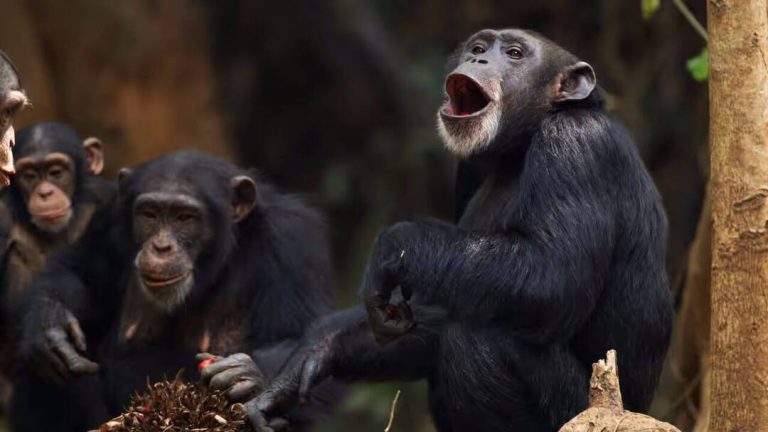
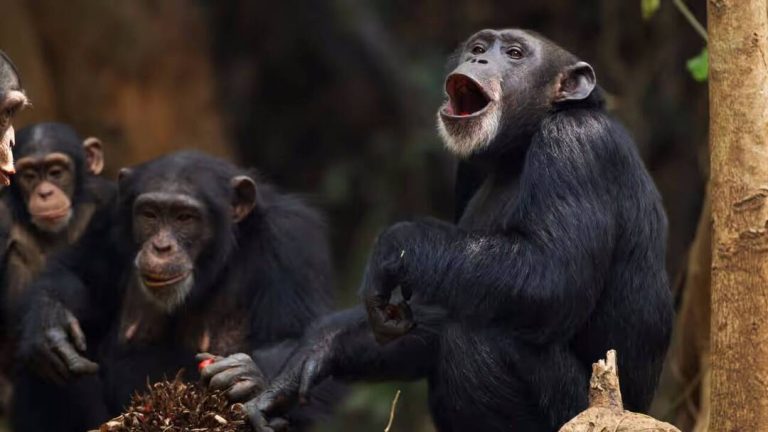
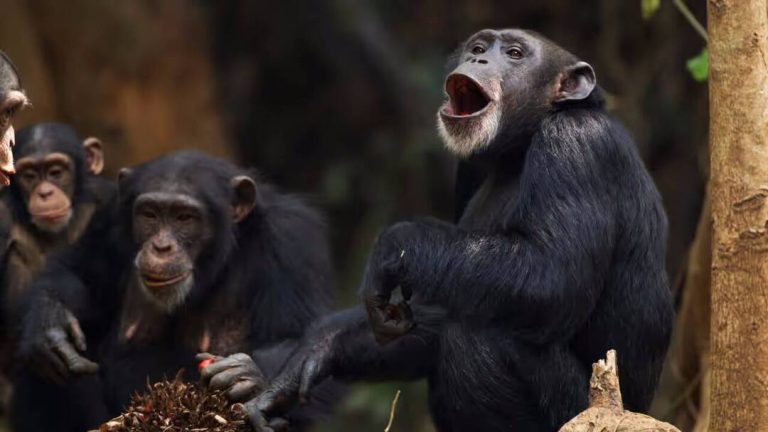
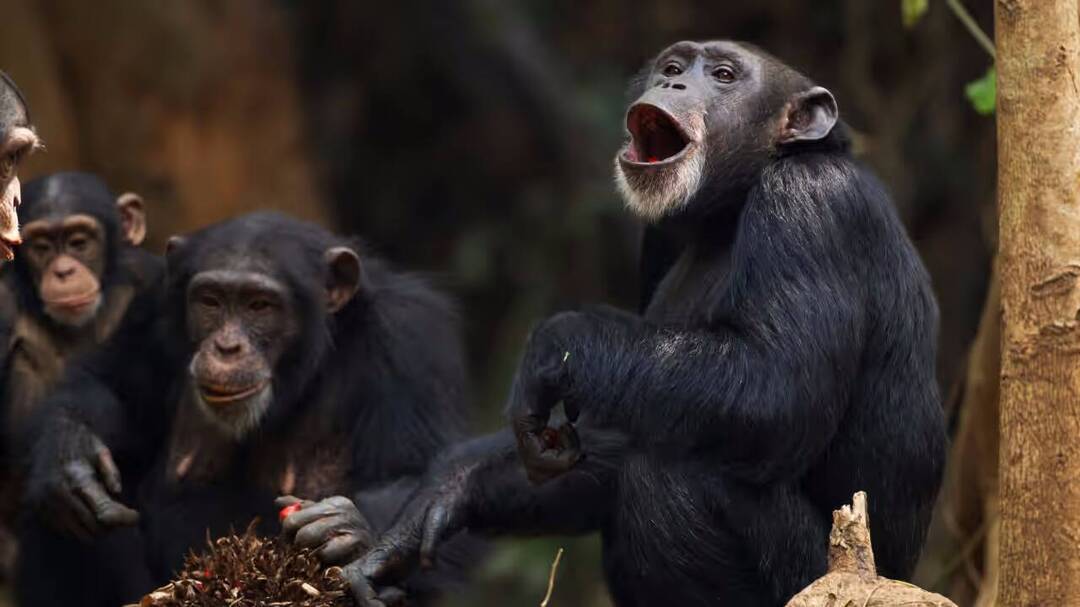
One of the key findings of the study was that same-sex behaviour was more prevalent in species that had high levels of social complexity, such as primates, dolphins, and elephants. These species often live in large groups with complex social hierarchies, and same-sex behaviour may help to strengthen bonds between individuals and reduce conflict. For example, in some species of primates, same-sex behaviour has been observed as a way of reconciling after a conflict, or as a way of forming alliances between individuals.
The study also found that same-sex behaviour was more common in species that lived in harsh or unpredictable environments. For example, in some species of birds, same-sex behaviour has been observed as a way of coping with the stress of living in a harsh climate. In these species, same-sex behaviour may help to reduce stress and improve cooperation between individuals, ultimately improving their chances of survival.
Another interesting finding of the study was that same-sex behaviour was not limited to mammals and birds, but was also observed in reptiles and insects. For example, in some species of lizards, same-sex behaviour has been observed as a way of establishing dominance hierarchies, while in some species of insects, same-sex behaviour has been observed as a way of reducing conflict and improving cooperation.
The study’s findings have significant implications for our understanding of same-sex behaviour in animals. Rather than viewing same-sex behaviour as an anomaly or a result of genetic mutations, the study suggests that it is an adaptive strategy that has evolved in response to environmental and social pressures. This challenges the traditional view of same-sex behaviour as a result of genetic predisposition, and instead suggests that it is a complex phenomenon that is influenced by a range of factors, including social and environmental pressures.
The study’s lead author, Dr. [Name], said: “Our study shows that same-sex behaviour is not just a random occurrence, but rather an adaptive strategy that has evolved in response to environmental and social pressures. This challenges the traditional view of same-sex behaviour as a result of genetic predisposition, and instead suggests that it is a complex phenomenon that is influenced by a range of factors, including social and environmental pressures.”
The study’s findings also have implications for conservation efforts. By understanding the reasons behind same-sex behaviour in animals, conservationists can develop more effective strategies for managing and protecting populations. For example, in species where same-sex behaviour is common, conservationists may need to take into account the social and environmental pressures that are driving this behaviour, and develop strategies that address these pressures.
In conclusion, the new study by researchers at Imperial College London provides significant insights into the reasons behind same-sex behaviour in animals. The study’s findings suggest that same-sex behaviour is not just a result of genetic predisposition, but rather an adaptive strategy that has evolved in response to environmental and social pressures. By understanding the complex factors that drive same-sex behaviour, we can gain a deeper appreciation for the diversity and complexity of animal behaviour, and develop more effective strategies for managing and protecting populations.
Read the full story at: https://newsable.asianetnews.com/international/science/scientists-discover-why-same-sex-behaviour-evolves-in-animal-species-articleshow-zd8b90h
About the Author