New research explains same-sex behaviour across animal species
For decades, scientists have been fascinated by the prevalence of same-sex behaviour in the animal kingdom. From homosexuality in humans to same-sex mounting in giraffes, same-sex behaviour has been observed in hundreds of species, leaving researchers wondering about its origins and purpose. A new study by researchers at Imperial College London has shed light on this phenomenon, suggesting that same-sex behaviour is not just a quirk of nature, but rather an adaptive strategy that helps strengthen social bonds and improve cooperation in complex or harsh environments.
The study, which covered hundreds of species, found that environmental and social pressures, rather than genetics alone, drive same-sex behaviour across the animal kingdom. This challenges the traditional view that same-sex behaviour is an evolutionary anomaly, and instead suggests that it plays a vital role in the survival and success of many species.
One of the key findings of the study was that same-sex behaviour is more common in species that live in complex or harsh environments. For example, species that live in large groups, such as primates and dolphins, are more likely to exhibit same-sex behaviour than those that live in smaller groups or are solitary. This suggests that same-sex behaviour may be an adaptation to help individuals cope with the stresses of group living, such as competition for resources and social hierarchy.
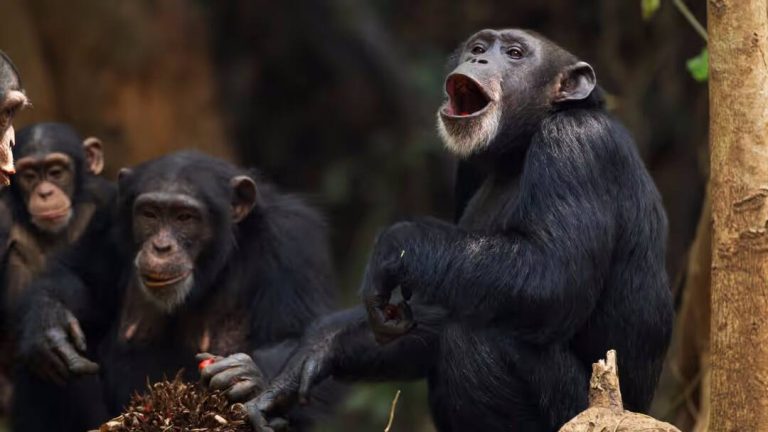
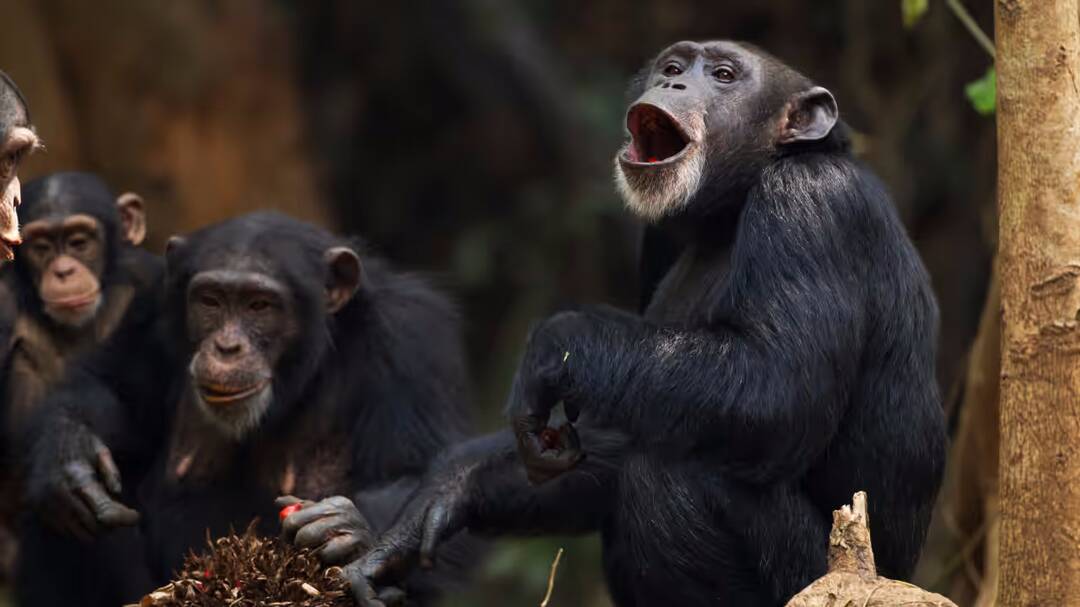
Another important finding was that same-sex behaviour is often linked to social bonding and cooperation. In many species, same-sex behaviour is used as a way to strengthen social bonds and build alliances. For example, in some species of birds, same-sex behaviour is used as a way to form long-term monogamous relationships, which can help to increase cooperation and mutual support. In other species, such as primates, same-sex behaviour is used as a way to resolve conflicts and reduce aggression.
The study also found that same-sex behaviour is not limited to any particular type of species or environment. It is found in species that live in a wide range of habitats, from the frozen tundra to the hottest deserts, and in species that are carnivores, herbivores, or omnivores. This suggests that same-sex behaviour is a highly adaptable and flexible strategy that can be used in a wide range of contexts.
So, why is same-sex behaviour so common in the animal kingdom? According to the researchers, it is because same-sex behaviour provides a number of benefits that can help individuals survive and thrive in complex or harsh environments. For example, same-sex behaviour can help to reduce aggression and improve cooperation, which can be particularly important in species that live in large groups. It can also help to strengthen social bonds and build alliances, which can provide mutual support and protection.
The study’s findings have important implications for our understanding of the evolution of same-sex behaviour in humans. For many years, scientists have debated the origins of human homosexuality, with some arguing that it is an evolutionary anomaly and others suggesting that it may have evolved as an adaptation to help individuals cope with the stresses of group living. The new study suggests that the latter view may be correct, and that same-sex behaviour in humans may have evolved as a way to strengthen social bonds and improve cooperation in complex or harsh environments.
In conclusion, the new study by researchers at Imperial College London provides important insights into the origins and purpose of same-sex behaviour in the animal kingdom. By showing that same-sex behaviour is an adaptive strategy that helps strengthen social bonds and improve cooperation in complex or harsh environments, the study challenges the traditional view that same-sex behaviour is an evolutionary anomaly. Instead, it suggests that same-sex behaviour is a highly adaptable and flexible strategy that can be used in a wide range of contexts, and that it may have evolved as a way to help individuals survive and thrive in a rapidly changing world.
The study’s findings are a reminder of the complexity and diversity of the natural world, and of the many ways in which animals adapt to their environments. They also highlight the importance of continued research into the evolution of same-sex behaviour, and the need to challenge traditional views and assumptions about the natural world.
About the Author