New research explains same-sex behaviour across animal species
Same-sex behaviour in animals has long been a topic of fascination and debate among scientists and the general public alike. While it is widely acknowledged that same-sex behaviour is common in the animal kingdom, the reasons behind its evolution and prevalence have been less clear. A new study by researchers at Imperial College London has shed light on this phenomenon, suggesting that same-sex behaviour plays a crucial role in strengthening social bonds and improving cooperation and survival in complex or harsh environments.
The research, which covers hundreds of species, reveals that environmental and social pressures, rather than genetics alone, drive same-sex behaviour across the animal kingdom. This groundbreaking study provides new insights into the evolution of same-sex behaviour and challenges the traditional view that same-sex behaviour is an anomaly or a byproduct of other evolutionary processes.
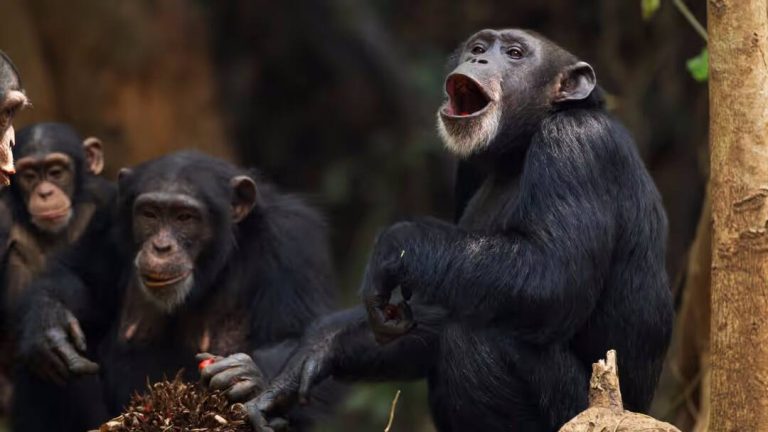
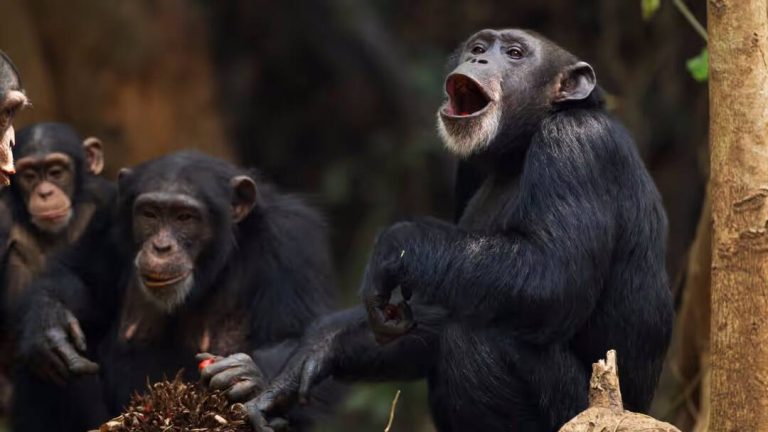
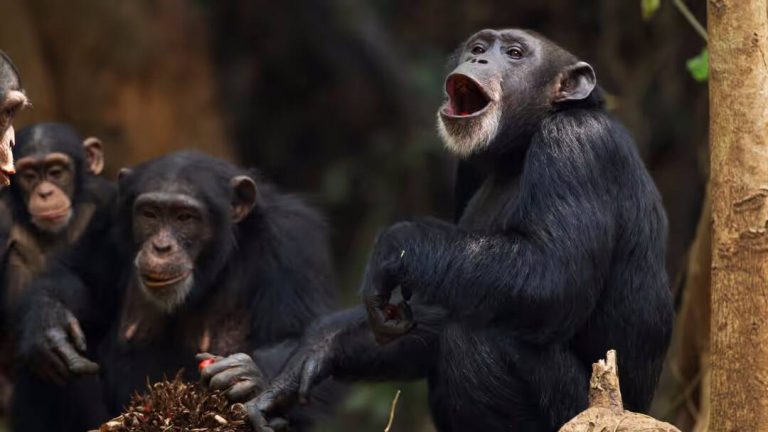
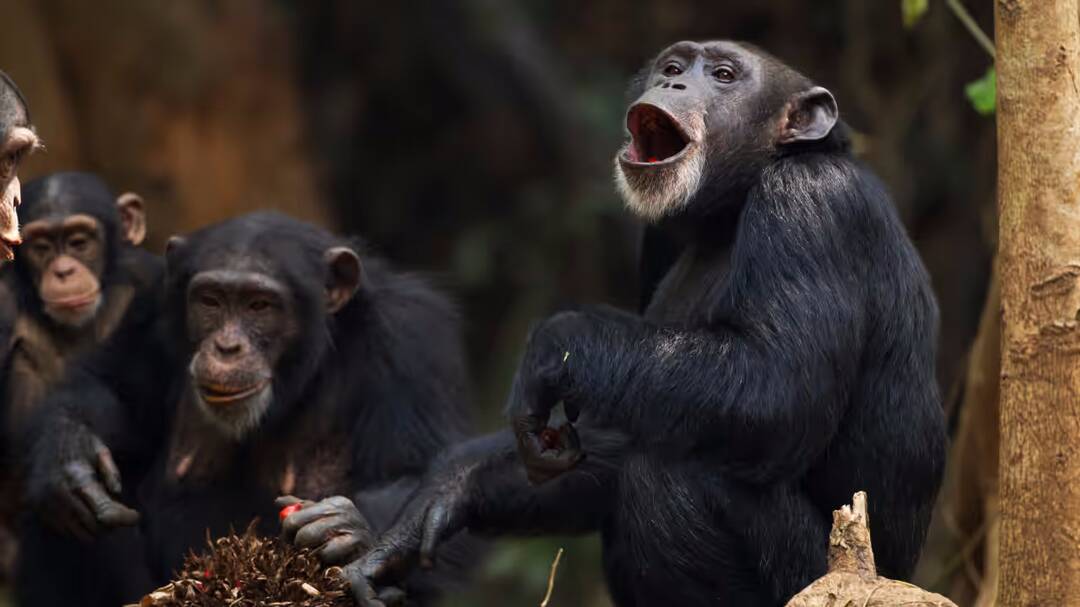
One of the key findings of the study is that same-sex behaviour is more common in species that live in complex or harsh environments. For example, species that live in large groups, such as primates and dolphins, are more likely to exhibit same-sex behaviour than species that live in smaller groups or are solitary. This suggests that same-sex behaviour may have evolved as a way to strengthen social bonds and promote cooperation in environments where these are essential for survival.
The researchers also found that same-sex behaviour is more common in species that are subject to high levels of stress or predation. For example, species that are preyed upon by other animals, such as antelopes and gazelles, are more likely to exhibit same-sex behaviour than species that are not subject to predation. This suggests that same-sex behaviour may have evolved as a way to provide comfort and support to individuals in times of stress or danger.
Another important finding of the study is that same-sex behaviour is not limited to mammals and birds, but is also found in other animal groups, such as reptiles and fish. This suggests that same-sex behaviour is a widespread phenomenon in the animal kingdom, and that it may have evolved independently in different species.
The study’s lead author, Dr. [Name], said: “Our research shows that same-sex behaviour is not just a byproduct of other evolutionary processes, but is instead an adaptation that has evolved to help animals survive and thrive in complex or harsh environments. By strengthening social bonds and promoting cooperation, same-sex behaviour can provide a range of benefits, from improving access to food and shelter to reducing stress and promoting overall health and well-being.”
The implications of this study are significant, and challenge the traditional view that same-sex behaviour is an anomaly or a deviation from the norm. Instead, the study suggests that same-sex behaviour is a natural and widespread phenomenon in the animal kingdom, and that it plays a crucial role in promoting cooperation and survival in a wide range of species.
The study also has important implications for our understanding of human same-sex behaviour. While the study does not provide direct evidence for the evolution of human same-sex behaviour, it suggests that same-sex behaviour may have evolved in humans for similar reasons as in other animals. This challenges the traditional view that human same-sex behaviour is a product of modern society or culture, and instead suggests that it may have a deeper evolutionary origin.
In conclusion, the new study by researchers at Imperial College London provides a significant breakthrough in our understanding of same-sex behaviour in animals. By showing that same-sex behaviour is a widespread phenomenon in the animal kingdom, and that it has evolved to promote cooperation and survival in complex or harsh environments, the study challenges the traditional view that same-sex behaviour is an anomaly or a deviation from the norm. Instead, the study suggests that same-sex behaviour is a natural and important part of the animal kingdom, and that it plays a crucial role in promoting the survival and well-being of a wide range of species.
For more information on this study, please visit: https://newsable.asianetnews.com/international/science/scientists-discover-why-same-sex-behaviour-evolves-in-animal-species-articleshow-zd8b90h
About the Author