New research explains same-sex behaviour across animal species
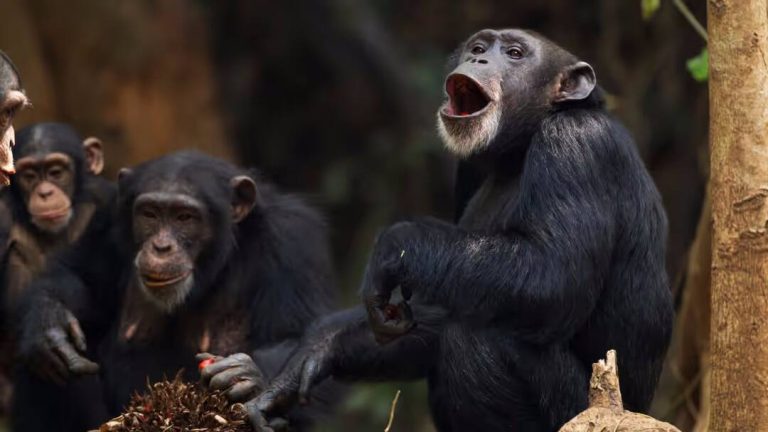
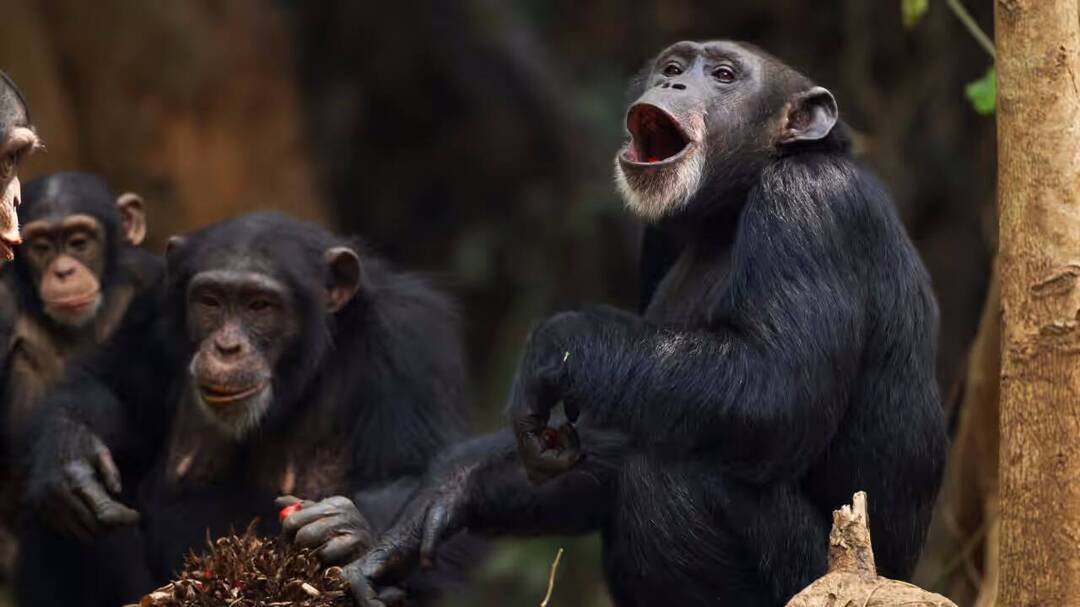
Same-sex behaviour in animals has long been a topic of fascination and debate among scientists and the general public alike. While it is commonly observed in various species, the underlying reasons for this behaviour have remained unclear. A new study by researchers at Imperial College London has shed light on this phenomenon, providing insights into the drivers of same-sex behaviour across the animal kingdom. According to the study, same-sex behaviour is not just a rare anomaly, but rather a common and adaptive trait that helps strengthen social bonds in complex or harsh environments, ultimately improving cooperation and survival.
The research, which covered hundreds of species, reveals that environmental and social pressures, rather than genetics alone, drive same-sex behaviour across the animal kingdom. This finding challenges the traditional view that same-sex behaviour is an aberration or a result of genetic mutations. Instead, the study suggests that same-sex behaviour is an evolved trait that has developed in response to specific ecological and social contexts.
One of the key findings of the study is that same-sex behaviour is more common in species that live in complex or harsh environments. For example, species that live in large groups or have to contend with limited resources are more likely to exhibit same-sex behaviour. This is because same-sex behaviour helps to strengthen social bonds and promote cooperation, which are essential for survival in these environments. By forming close bonds with other individuals, animals can increase their chances of survival and improve their access to resources such as food and shelter.
The study also found that same-sex behaviour is not limited to any particular group of animals. It is observed in mammals, birds, reptiles, amphibians, and even fish. This suggests that same-sex behaviour is a widespread and evolved trait that has developed independently in different species. The researchers used a variety of methods to study same-sex behaviour, including observations of animal behaviour, experiments, and statistical analysis of existing data.
The implications of this study are significant, as they challenge our traditional views of animal behaviour and evolution. The findings suggest that same-sex behaviour is not just a byproduct of genetic mutations or a result of human influence, but rather an adaptive trait that has evolved to promote survival and cooperation. This has important implications for our understanding of animal social behaviour and the evolution of social traits.
The study also highlights the importance of considering the social and environmental context in which animal behaviour evolves. By examining the ecological and social pressures that drive same-sex behaviour, the researchers were able to identify patterns and trends that would have been missed by focusing solely on genetic or hormonal factors. This approach provides a more nuanced and comprehensive understanding of animal behaviour, and has important implications for fields such as conservation biology and animal welfare.
In addition to its scientific significance, the study also has important implications for our understanding of human sexuality and behaviour. The finding that same-sex behaviour is a common and adaptive trait in animals challenges the traditional view that human homosexuality is an aberration or a result of genetic mutations. Instead, the study suggests that human same-sex attraction may be an evolved trait that has developed in response to specific social and environmental contexts.
In conclusion, the new research by Imperial College London provides important insights into the drivers of same-sex behaviour across the animal kingdom. By examining the ecological and social pressures that drive same-sex behaviour, the study reveals that this behaviour is not just a rare anomaly, but rather a common and adaptive trait that has evolved to promote survival and cooperation. The findings of this study have significant implications for our understanding of animal social behaviour, evolution, and human sexuality, and highlight the importance of considering the social and environmental context in which behaviour evolves.
For more information on this study, visit: https://newsable.asianetnews.com/international/science/scientists-discover-why-same-sex-behaviour-evolves-in-animal-species-articleshow-zd8b90h
About the Author