New research explains same-sex behaviour across animal species
For a long time, same-sex behaviour in animals has been a topic of interest and debate among scientists and the general public alike. While it is commonly observed in various species, the reasons behind this phenomenon have not been fully understood. However, a recent study by researchers at Imperial College London has shed new light on this issue, suggesting that same-sex behaviour is an adaptive strategy that helps strengthen social bonds, improve cooperation, and increase survival rates in complex or harsh environments.
The study, which covered hundreds of species, found that environmental and social pressures, rather than genetics alone, drive same-sex behaviour across the animal kingdom. This groundbreaking research provides new insights into the evolution of same-sex behaviour and challenges the traditional view that it is an abnormal or maladaptive trait.
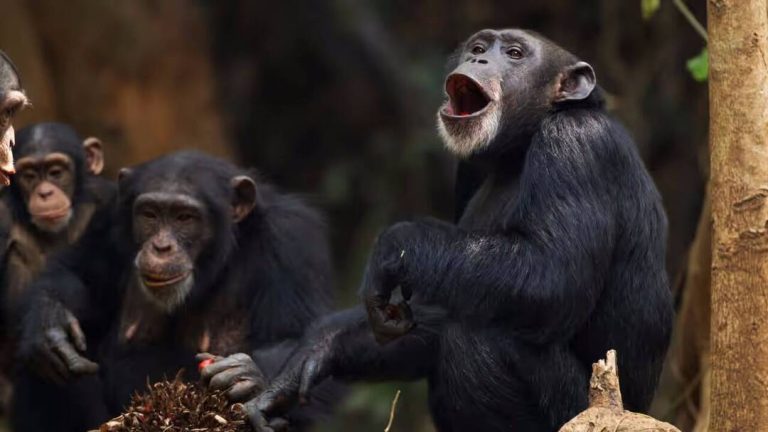
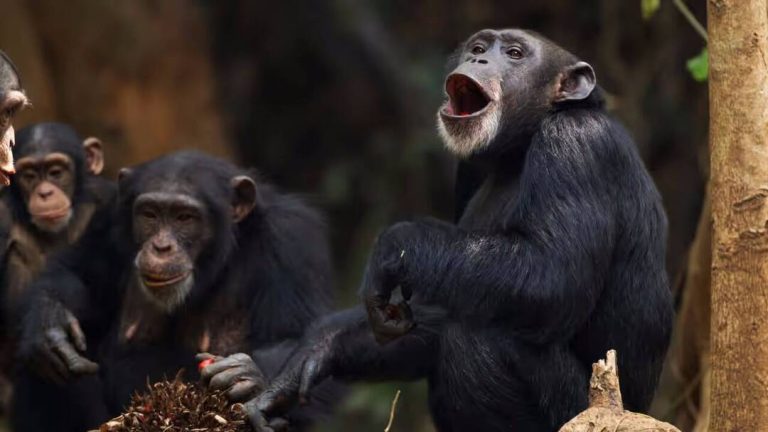
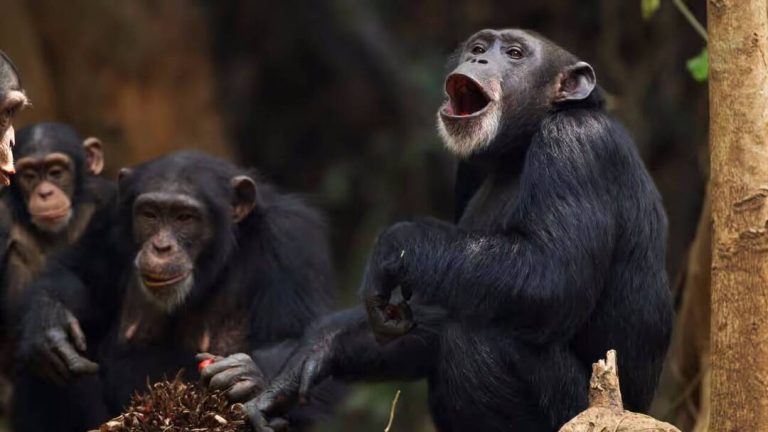
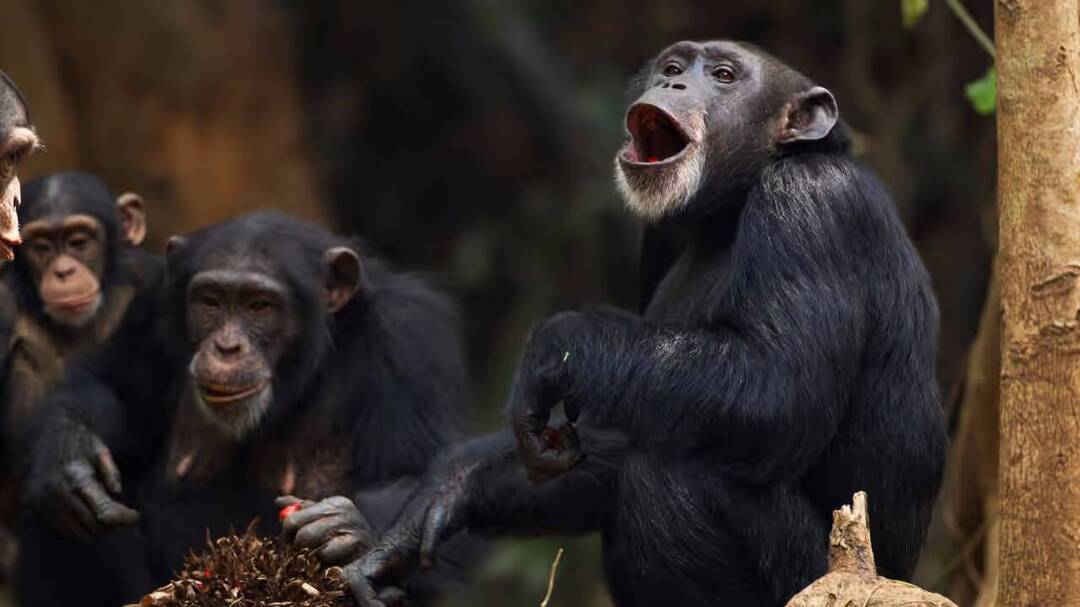
Same-sex behaviour is a widespread phenomenon in the animal kingdom, observed in species ranging from birds and mammals to fish and insects. In some species, such as bonobos and chimpanzees, same-sex behaviour is a common and integral part of their social behaviour. In others, such as some species of birds, same-sex behaviour is more rare and often associated with specific contexts, such as mating or dominance.
Despite its widespread occurrence, same-sex behaviour has often been viewed as an evolutionary puzzle. From a Darwinian perspective, the primary goal of an individual is to reproduce and pass on its genes to the next generation. Same-sex behaviour, which does not involve reproduction, seems to contradict this fundamental principle of evolution.
However, the new study suggests that same-sex behaviour can actually be an adaptive strategy that helps individuals survive and thrive in challenging environments. By forming close bonds with other members of the same sex, individuals can gain access to resources, protection, and social support, which can be essential for survival.
The researchers analyzed data from over 300 species and found that same-sex behaviour was more common in species that lived in complex or harsh environments. For example, species that lived in large groups, had high levels of social competition, or faced significant predators were more likely to exhibit same-sex behaviour.
The study also found that same-sex behaviour was often associated with specific social contexts, such as mating, dominance, or affiliation. In some species, same-sex behaviour was used as a way to establish dominance or attract mates, while in others it was used to strengthen social bonds and reinforce group cohesion.
One of the key findings of the study is that same-sex behaviour is not driven by genetics alone. While genetic factors may play a role in the development of same-sex behaviour, environmental and social pressures are also important drivers. This suggests that same-sex behaviour is not an innate or fixed trait, but rather a flexible and adaptive strategy that can be influenced by a range of factors, including ecology, social structure, and culture.
The implications of this research are significant, not only for our understanding of animal behaviour but also for our understanding of human sexuality. The study suggests that same-sex behaviour is a natural and common phenomenon in the animal kingdom, and that it can play an important role in shaping social behaviour and promoting cooperation.
In conclusion, the new research by Imperial College London provides a major breakthrough in our understanding of same-sex behaviour in animals. By showing that same-sex behaviour is an adaptive strategy that helps strengthen social bonds and improve survival rates, the study challenges traditional views of same-sex behaviour as abnormal or maladaptive. The research also highlights the importance of considering environmental and social pressures, rather than genetics alone, in shaping same-sex behaviour.
As we continue to explore and learn more about the natural world, it is essential that we approach these topics with an open mind and a willingness to challenge our assumptions. By doing so, we can gain a deeper understanding of the complex and fascinating world of animal behaviour, and appreciate the diversity and complexity of life on Earth.
About the Author