New research explains same-sex behaviour across animal species
Same-sex behaviour in animals has long been a topic of fascination and debate among scientists and the general public alike. While it was once thought to be a rare and abnormal occurrence, research has shown that same-sex behaviour is actually common across the animal kingdom, with observations of same-sex mating, pair bonding, and even adoption of young reported in hundreds of species. But why does same-sex behaviour evolve in animals? A new study by researchers at Imperial College London provides some answers, suggesting that same-sex behaviour helps strengthen social bonds in complex or harsh environments, improving cooperation and survival.
The study, which covered hundreds of species, found that environmental and social pressures, rather than genetics alone, drive same-sex behaviour across the animal kingdom. This challenges the traditional view that same-sex behaviour is an evolutionary anomaly or a byproduct of other factors. Instead, the researchers suggest that same-sex behaviour is an adaptive strategy that helps animals cope with challenging environments and improve their chances of survival.
One of the key findings of the study is that same-sex behaviour is more common in species that live in complex social groups or face harsh environmental conditions. For example, some species of birds and mammals that live in large groups with complex social hierarchies exhibit high levels of same-sex behaviour, such as mounting or courtship displays. Similarly, species that live in areas with limited resources or high predation pressure, such as some species of fish and reptiles, also exhibit same-sex behaviour.
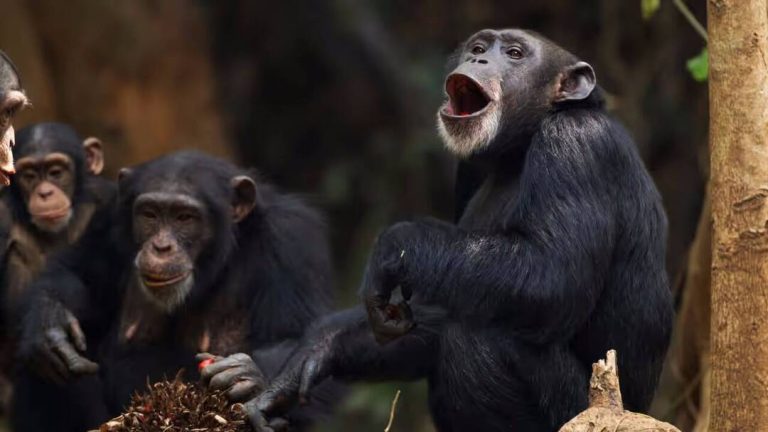
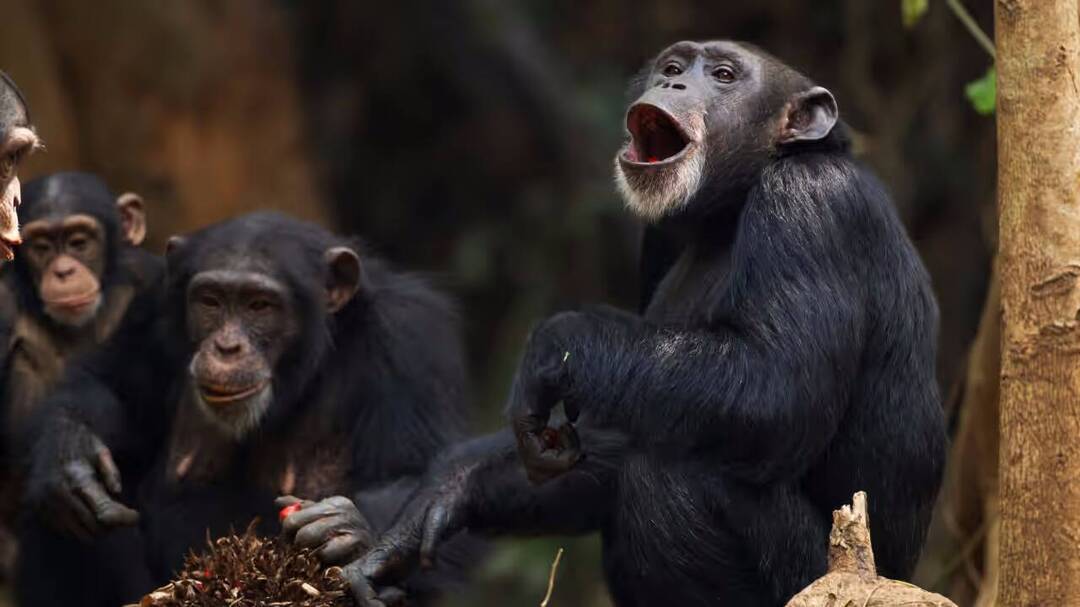
The researchers suggest that same-sex behaviour helps strengthen social bonds in these species by promoting cooperation and reducing conflict. In complex social groups, same-sex behaviour can help individuals form close bonds with each other, which can improve their chances of survival and reproduction. For example, in some species of primates, same-sex behaviour has been observed to help reduce aggression and promote reconciliation between individuals.
In harsh environments, same-sex behaviour can also provide a survival advantage by allowing individuals to form alliances and cooperate with each other to access resources or protect themselves from predators. For example, some species of birds have been observed to form same-sex pairs during the breeding season, which can help them defend their territory and raise their young more effectively.
The study also found that same-sex behaviour is not limited to any particular taxonomic group, but is instead widespread across the animal kingdom. This suggests that same-sex behaviour is an evolutionary adaptation that has evolved independently in different species, rather than a shared trait that has been inherited from a common ancestor.
The implications of this research are significant, as they challenge our traditional views of animal behaviour and evolution. The study suggests that same-sex behaviour is not an anomaly or a byproduct of other factors, but instead an adaptive strategy that helps animals cope with challenging environments and improve their chances of survival. This has important implications for our understanding of animal behaviour and evolution, and highlights the importance of considering the complex social and environmental contexts in which animals live.
In conclusion, the new research by Imperial College London provides a fascinating insight into the evolution of same-sex behaviour across the animal kingdom. By showing that same-sex behaviour is an adaptive strategy that helps animals cope with challenging environments and improve their chances of survival, the study challenges our traditional views of animal behaviour and evolution. As we continue to learn more about the complex social and environmental contexts in which animals live, we may uncover even more surprising examples of same-sex behaviour and its importance in the animal kingdom.
About the Author