New research explains same-sex behaviour across animal species
For decades, scientists have been fascinated by the prevalence of same-sex behaviour in the animal kingdom. From birds to mammals, and even fish, same-sex behaviour has been observed in hundreds of species, leaving researchers to wonder why this phenomenon is so widespread. A new study by researchers at Imperial College London has shed light on this question, suggesting that same-sex behaviour serves as a mechanism to strengthen social bonds, improve cooperation, and ultimately enhance survival in complex or harsh environments.
The research, which covered hundreds of species, reveals that environmental and social pressures, rather than genetics alone, drive same-sex behaviour across the animal kingdom. This groundbreaking study has significant implications for our understanding of animal behaviour, social evolution, and the complex interactions between individuals within a species.
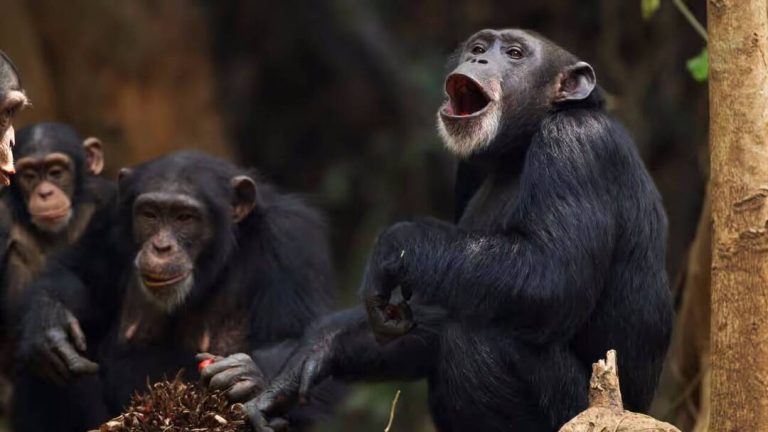
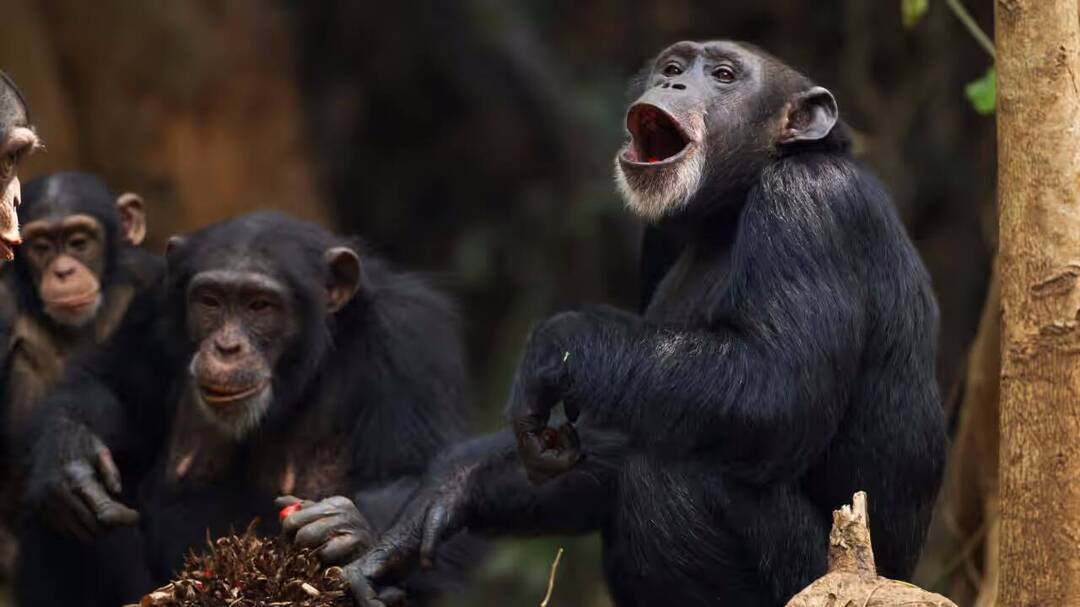
Same-sex behaviour has been observed in a staggering array of species, from the familiar, such as dolphins and bonobos, to the less well-known, like giraffes and gazelles. In some species, same-sex behaviour is a rare occurrence, while in others, it is a common and integral part of their social repertoire. For example, some species of birds, such as swans and geese, are known to form long-term same-sex pair bonds, while in others, like chimpanzees and elephants, same-sex behaviour is often observed in the context of social grooming and bonding.
So, why is same-sex behaviour so common in the animal kingdom? The researchers at Imperial College London set out to answer this question by conducting a comprehensive review of existing studies on same-sex behaviour in animals. They analyzed data from over 300 species, including mammals, birds, reptiles, and fish, and looked for patterns and correlations between same-sex behaviour and various environmental and social factors.
The results of the study were striking. The researchers found that same-sex behaviour was more common in species that lived in complex or harsh environments, such as those with high levels of predation, limited resources, or unpredictable climates. In these environments, same-sex behaviour served as a mechanism to strengthen social bonds and improve cooperation, which in turn enhanced survival and reproductive success.
One of the key findings of the study was that same-sex behaviour was often linked to social learning and cultural transmission. In species where same-sex behaviour was common, individuals were more likely to learn and adopt this behaviour from others, rather than through genetic predisposition. This suggests that same-sex behaviour is not simply a product of genetics, but rather a complex interplay between genetic, environmental, and social factors.
The researchers also found that same-sex behaviour was more common in species with high levels of social complexity, such as those with large group sizes, complex communication systems, and cooperative breeding. In these species, same-sex behaviour served as a way to reinforce social bonds and maintain social cohesion, which was essential for the survival and success of the group.
The implications of this study are significant, not just for our understanding of animal behaviour, but also for our understanding of human sexuality and behaviour. The findings suggest that same-sex behaviour is not unique to humans, but rather a common phenomenon in the animal kingdom, driven by a complex interplay of environmental, social, and genetic factors.
In conclusion, the new research from Imperial College London provides a fascinating insight into the evolution of same-sex behaviour in animals. By showing that same-sex behaviour serves as a mechanism to strengthen social bonds, improve cooperation, and enhance survival in complex or harsh environments, this study has significant implications for our understanding of animal behaviour, social evolution, and the complex interactions between individuals within a species.
As we continue to explore and learn more about the natural world, it is essential that we approach these topics with an open mind and a willingness to challenge our assumptions. The study of same-sex behaviour in animals is a powerful reminder of the diversity and complexity of life on Earth, and the many ways in which individuals interact and form relationships with one another.
About the Author