New research explains same-sex behaviour across animal species
Same-sex behaviour is a widespread phenomenon in the animal kingdom, with observations of such behaviour in hundreds of species, from birds and mammals to reptiles and insects. For a long time, scientists have been puzzled by the existence of same-sex behaviour in animals, with many assuming it was an anomaly or a result of genetic mutations. However, a new study by researchers at Imperial College London has shed light on the reasons behind same-sex behaviour in animals, suggesting that it plays a crucial role in strengthening social bonds and improving cooperation and survival in complex or harsh environments.
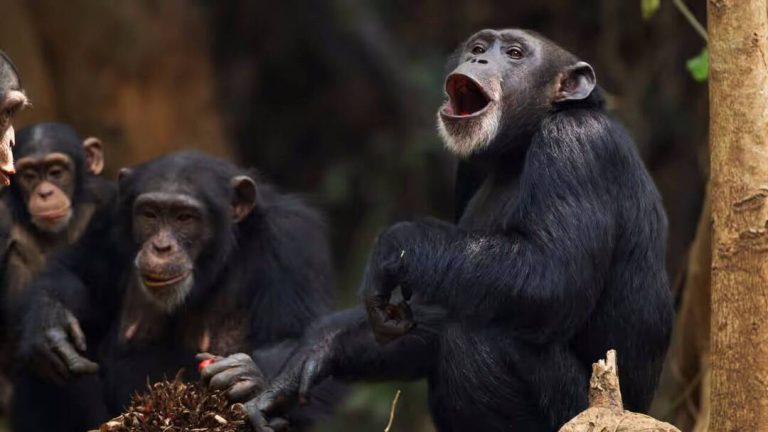
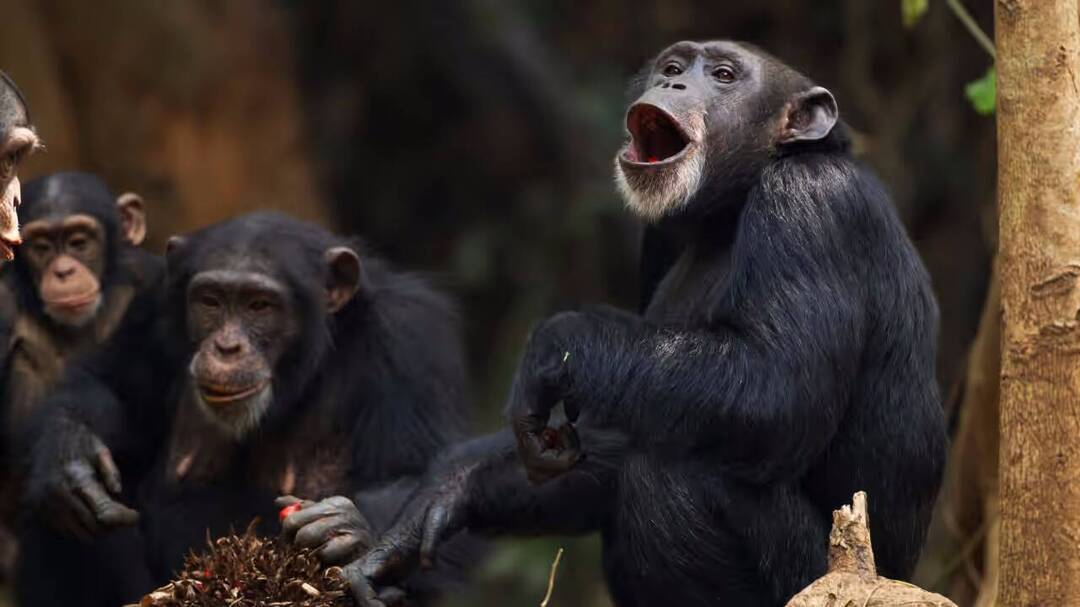
The study, which covered hundreds of species, reveals that environmental and social pressures, rather than genetics alone, drive same-sex behaviour across the animal kingdom. The researchers found that same-sex behaviour is more common in species that live in complex social groups, such as primates, dolphins, and elephants, where cooperation and social bonding are essential for survival. In these species, same-sex behaviour helps to strengthen social bonds, reduce aggression, and promote cooperation, ultimately leading to improved survival and reproductive success.
One of the key findings of the study is that same-sex behaviour is often associated with high levels of social complexity and environmental uncertainty. In species that live in harsh or unpredictable environments, such as deserts or areas with limited food resources, same-sex behaviour may provide a way for individuals to form close bonds and cooperate to overcome challenges. For example, in some species of birds, same-sex pairs have been observed to form long-term monogamous relationships, which helps to increase their chances of survival and reproduction in the face of environmental adversity.
The study also found that same-sex behaviour is not limited to mammals and birds, but is also common in other animal groups, such as reptiles and insects. In some species of lizards, for example, same-sex behaviour has been observed to be a common occurrence, particularly in species that live in high-density populations. Similarly, in some species of insects, such as bees and wasps, same-sex behaviour has been observed to play a role in the formation of social hierarchies and the division of labour within colonies.
The researchers used a combination of observational data, experiments, and statistical analysis to investigate the patterns and drivers of same-sex behaviour in animals. They found that same-sex behaviour is often associated with specific social and environmental contexts, such as high levels of social complexity, environmental uncertainty, and limited access to resources. The study also revealed that same-sex behaviour is not a fixed trait, but rather a flexible and context-dependent behaviour that can vary across different populations and species.
The findings of the study have important implications for our understanding of the evolution of same-sex behaviour in animals. They suggest that same-sex behaviour is not an anomaly or a result of genetic mutations, but rather an adaptation that has evolved to promote cooperation and social bonding in complex or harsh environments. The study also highlights the importance of considering the social and environmental context in which same-sex behaviour occurs, rather than simply focusing on genetic or hormonal explanations.
In conclusion, the new research by Imperial College London provides a major breakthrough in our understanding of same-sex behaviour in animals. By showing that same-sex behaviour is a common and adaptive behaviour that helps to strengthen social bonds and promote cooperation and survival, the study challenges traditional assumptions about the evolution of same-sex behaviour. The findings of the study have important implications for our understanding of the evolution of social behaviour in animals and highlight the importance of considering the social and environmental context in which behaviour occurs.
The study’s findings also have implications for conservation and animal welfare. By recognizing the importance of same-sex behaviour in promoting cooperation and social bonding, conservation efforts can focus on preserving social groups and promoting social complexity, rather than simply focusing on individual animals. Additionally, the study’s findings can inform animal welfare policies, such as the management of animal populations in zoos and sanctuaries, where same-sex behaviour can play an important role in promoting social bonding and reducing stress.
Overall, the new research on same-sex behaviour in animals is a significant step forward in our understanding of the evolution of social behaviour in animals. By recognizing the importance of same-sex behaviour in promoting cooperation and social bonding, we can gain a deeper appreciation for the complexity and diversity of animal social behaviour and work to promote the welfare and conservation of animal populations.
Read more about the study at: https://newsable.asianetnews.com/international/science/scientists-discover-why-same-sex-behaviour-evolves-in-animal-species-articleshow-zd8b90h
About the Author