New research explains same-sex behaviour across animal species
For a long time, same-sex behaviour in animals has been a topic of fascination and debate among scientists and the general public alike. While it is well-documented that same-sex behaviour occurs in many animal species, the reasons behind this phenomenon have been less clear. A new study by researchers at Imperial College London has shed light on this question, providing a comprehensive explanation for the prevalence of same-sex behaviour across the animal kingdom.
The study, which covered hundreds of species, found that same-sex behaviour is more common in complex or harsh environments, where social bonds are crucial for survival. In these environments, same-sex behaviour serves as a mechanism to strengthen social bonds, improve cooperation, and ultimately enhance the chances of survival. This challenges the long-held assumption that same-sex behaviour is primarily driven by genetics, instead suggesting that environmental and social pressures play a significant role.
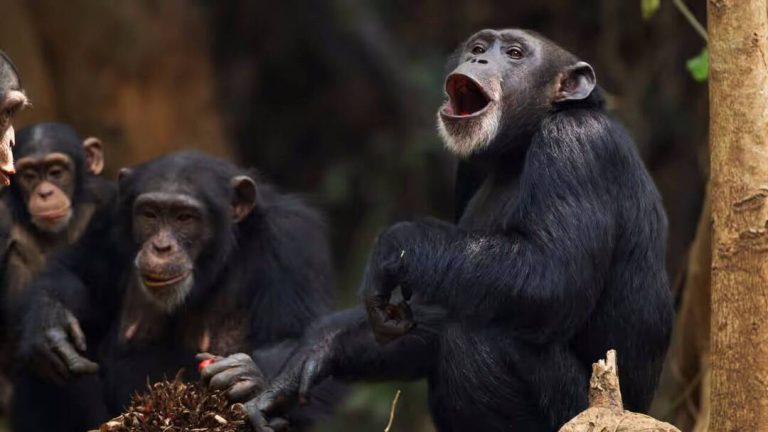
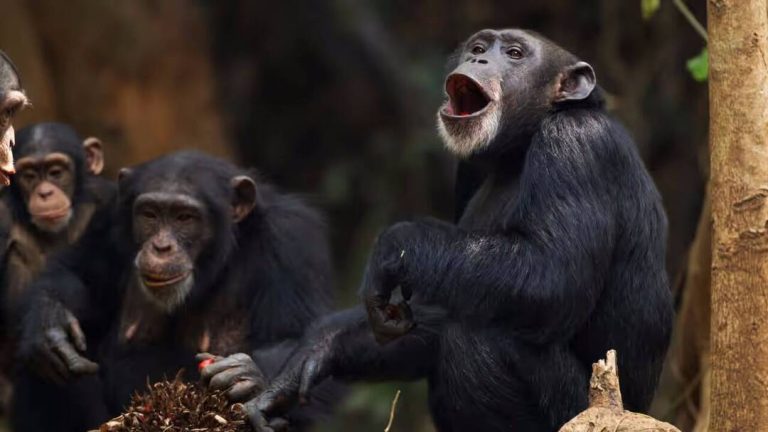
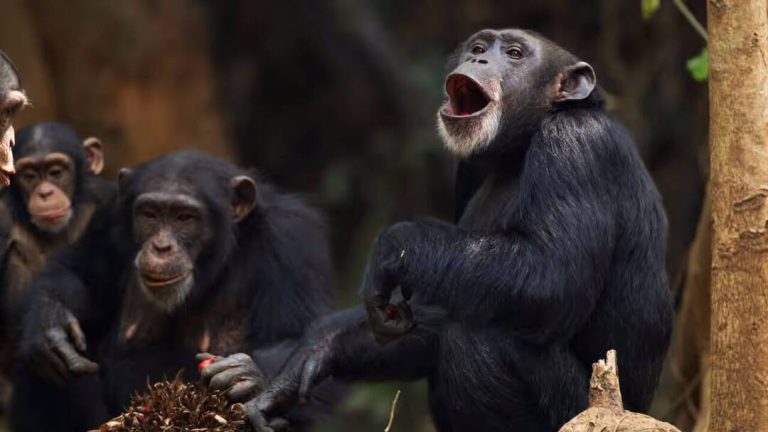
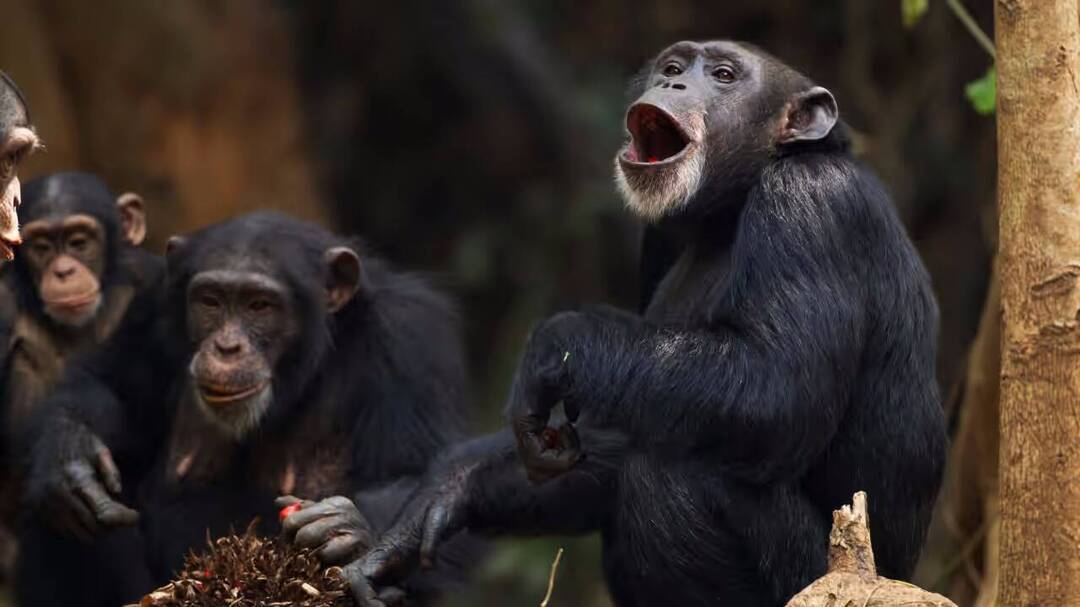
One of the key findings of the study is that same-sex behaviour is more prevalent in species that live in large, complex societies. For example, species such as chimpanzees, dolphins, and elephants, which are known for their advanced social structures, also exhibit high levels of same-sex behaviour. This suggests that same-sex behaviour is an adaptation that helps to reinforce social bonds and promote cooperation in these species.
The study also found that same-sex behaviour is more common in species that face harsh environmental conditions, such as extreme temperatures, predation, or limited food resources. In these environments, same-sex behaviour may serve as a way to reduce stress and promote social cohesion, which is essential for survival. For example, in some species of birds, same-sex behaviour has been observed during periods of extreme weather, such as hurricanes or droughts.
Another interesting finding of the study is that same-sex behaviour is not limited to mammals and birds, but is also observed in other animal groups, such as reptiles, amphibians, and fish. This suggests that same-sex behaviour is a widespread phenomenon across the animal kingdom, and is not unique to any particular group of species.
The researchers used a range of methods to gather data for the study, including observations of animal behaviour, experiments, and statistical analysis. They also reviewed existing literature on same-sex behaviour in animals, which provided valuable insights into the prevalence and diversity of same-sex behaviour across different species.
The study’s findings have significant implications for our understanding of animal behaviour and social evolution. They suggest that same-sex behaviour is not an anomaly or a deviation from the norm, but rather an adaptation that serves an important function in promoting social bonds and cooperation. This challenges the traditional view of same-sex behaviour as a “mistake” or an “error” in the evolutionary process, and instead recognizes it as a valuable and important aspect of animal social behaviour.
The study also highlights the importance of considering the social and environmental context in which animal behaviour evolves. By recognizing that same-sex behaviour is shaped by a range of factors, including environmental pressures, social structures, and cultural traditions, we can gain a deeper understanding of the complex and dynamic nature of animal social behaviour.
In conclusion, the new study by researchers at Imperial College London provides a groundbreaking explanation for the prevalence of same-sex behaviour across the animal kingdom. By showing that same-sex behaviour serves to strengthen social bonds and promote cooperation in complex or harsh environments, the study challenges our traditional assumptions about the evolution of same-sex behaviour. The findings of this study have significant implications for our understanding of animal behaviour and social evolution, and highlight the importance of considering the social and environmental context in which animal behaviour evolves.
For more information on this study, please visit: https://newsable.asianetnews.com/international/science/scientists-discover-why-same-sex-behaviour-evolves-in-animal-species-articleshow-zd8b90h
About the Author