Neanderthals ate outsider women & children 45,000 years ago: Study
The discovery of human remains in Belgium’s Goyet cave system has shed new light on the behavior of Neanderthals, our ancient human relatives. A recent study has revealed that Neanderthals engaged in cannibalism, targeting women and children from other communities around 45,000 years ago. This shocking finding has significant implications for our understanding of Neanderthal behavior and the dynamics of human evolution.
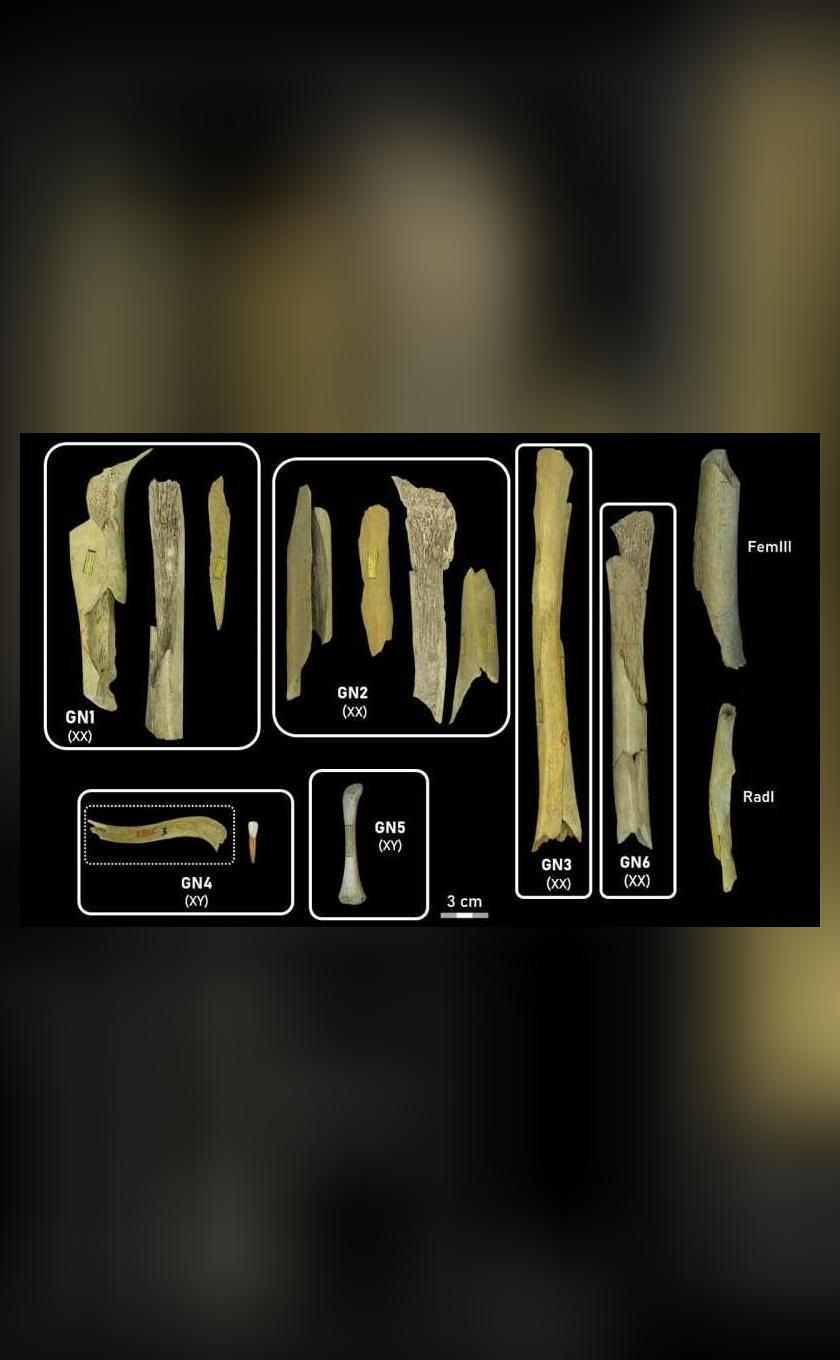
The study, which analyzed 101 bone fragments found in the Goyet cave system, identified butchery marks similar to those found on animal bones. This suggests that the Neanderthals treated the human remains in a similar way to animal carcasses, cutting and processing the bones for food. The presence of these butchery marks is a clear indication of cannibalism, and the fact that the victims were predominantly women and children is a disturbing aspect of this discovery.
The researchers behind the study believe that the cannibalism was linked to territorial conflict, which was exacerbated by the declining Neanderthal population and the arrival of Homo sapiens in nearby regions. As Neanderthal numbers dwindled, they may have become more aggressive and competitive, leading to conflicts with other Neanderthal groups and even with early Homo sapiens. The fact that the victims were outsiders, rather than members of the same community, suggests that the cannibalism was a result of inter-group conflict rather than a desperate response to food shortages.
The Goyet cave system, where the human remains were found, is a significant archaeological site that has yielded a wealth of information about Neanderthal behavior and culture. The cave system has been the subject of extensive excavations and research, and the discovery of the cannibalized human remains is one of the most significant findings to date. The site has also produced a range of other artifacts, including stone tools, animal bones, and personal ornaments, which provide valuable insights into the lives of Neanderthals.
The study’s findings have significant implications for our understanding of Neanderthal behavior and the dynamics of human evolution. The fact that Neanderthals engaged in cannibalism, targeting women and children from other communities, suggests that they were capable of extreme violence and aggression. This challenges the traditional view of Neanderthals as gentle and cooperative, and instead reveals a more complex and nuanced picture of their behavior.
The discovery also highlights the importance of considering the social and cultural context in which Neanderthals lived. The fact that the cannibalism was linked to territorial conflict and the declining Neanderthal population suggests that Neanderthals were subject to the same kinds of social and economic pressures as modern humans. This challenges the idea that Neanderthals were somehow less evolved or less human than Homo sapiens, and instead reveals a shared humanity that transcends species boundaries.
In conclusion, the discovery of cannibalized human remains in the Goyet cave system is a significant finding that sheds new light on Neanderthal behavior and culture. The fact that Neanderthals targeted women and children from other communities, and engaged in cannibalism as a result of territorial conflict, is a disturbing aspect of this discovery. However, it also highlights the complexity and nuance of Neanderthal behavior, and challenges traditional views of their nature and culture. As we continue to learn more about our ancient human relatives, we are reminded of the shared humanity that binds us across time and space.
News Source: https://phys.org/news/2025-11-neanderthal-women-children-victims-cannibalism.html
About the Author