Neanderthals ate outsider women & children 45,000 years ago: Study
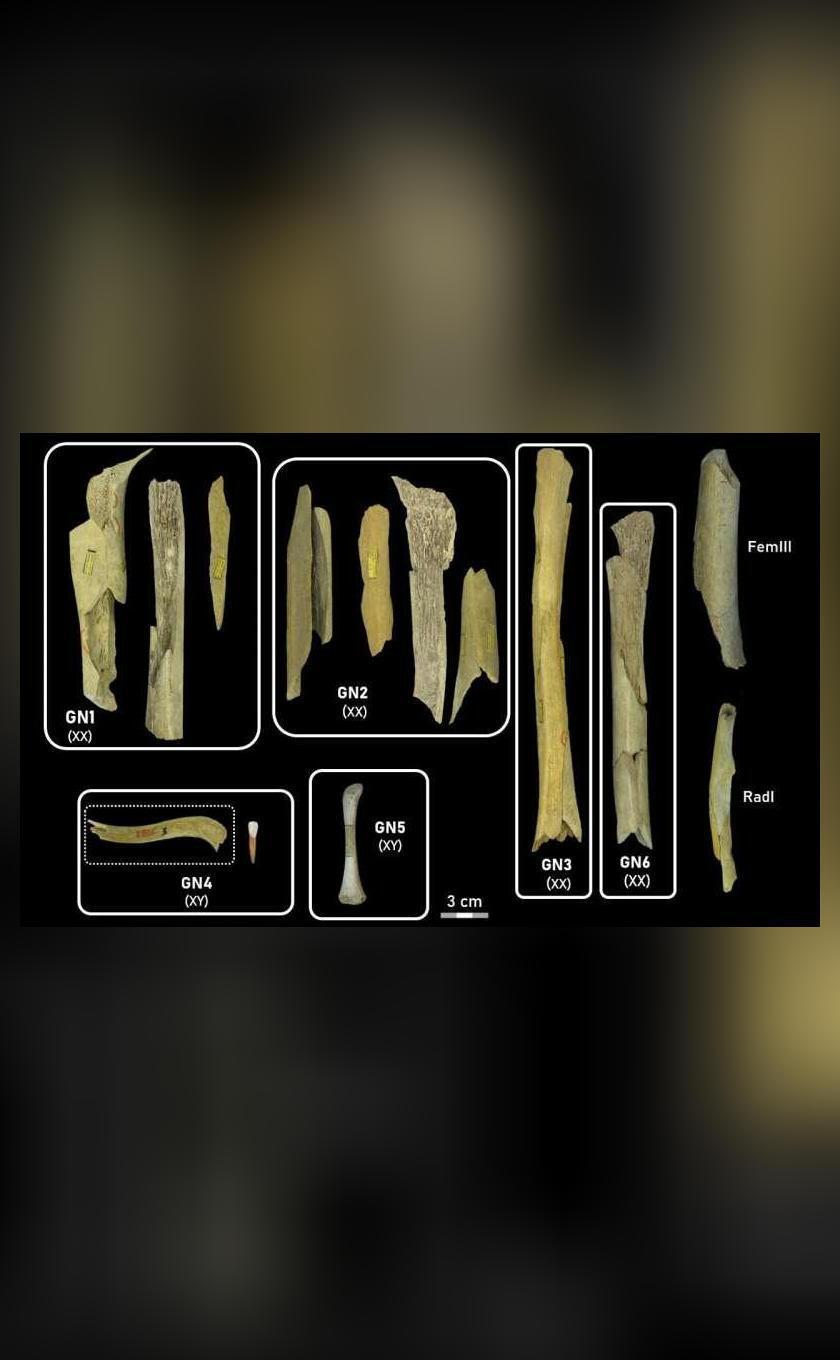
A shocking discovery has been made in the field of paleoanthropology, revealing that Neanderthals engaged in cannibalism, targeting women and children from other communities. According to a recent study published on the remains found in Belgium’s Goyet cave system, this gruesome practice dates back an astonishing 45,000 years. The research team identified 101 bone fragments with butchery marks similar to those found on animal bones, leaving little doubt about the fate of these individuals.
The Goyet cave system, located in the Walloon region of Belgium, has been a site of interest for archaeologists and anthropologists for decades. The caves have yielded a wealth of information about the lives of Neanderthals, including their diet, tools, and social structures. However, this latest discovery sheds a dark light on the behavior of our ancient ancestors, suggesting that they were capable of extreme violence and cannibalism.
The researchers behind the study used a combination of archaeological and anthropological techniques to analyze the human remains found in the Goyet cave system. By examining the bone fragments, they were able to identify the presence of butchery marks, which are characteristic of animal slaughter. These marks were found on the bones of women and children, suggesting that they were the primary targets of this cannibalism.
The study’s findings have significant implications for our understanding of Neanderthal behavior and social dynamics. The fact that women and children were targeted suggests that this cannibalism was not simply a matter of survival, but rather a calculated act of violence. The researchers believe that this behavior may have been linked to territorial conflict, as Neanderthal populations were shrinking and Homo sapiens had begun occupying nearby regions.
The idea that Neanderthals were capable of such violence is not entirely new. Previous studies have suggested that they may have engaged in cannibalism, but this latest discovery provides the most compelling evidence to date. The fact that the victims were outsiders, rather than members of the same community, suggests that this behavior was motivated by a desire to assert dominance or control over territory.
The study’s authors suggest that the cannibalism may have been a response to the increasing presence of Homo sapiens in the region. As Neanderthal populations declined, they may have felt threatened by the arrival of this new species, leading to a surge in violent behavior. This theory is supported by the fact that the butchery marks found on the human bones are similar to those found on animal bones, suggesting that the Neanderthals viewed their human victims as nothing more than prey.
The discovery of this cannibalism has significant implications for our understanding of human evolution and behavior. It suggests that our ancestors were capable of extreme violence, and that this behavior may have been linked to territorial conflict and competition for resources. The fact that women and children were targeted suggests that this behavior was not simply a matter of survival, but rather a calculated act of violence.
The study’s findings also raise important questions about the nature of Neanderthal society. If they were capable of such violence, what does this say about their social structures and cultural norms? Were they a peaceful and cooperative species, or were they driven by a desire for dominance and control?
The answer to these questions may lie in further research and analysis of the remains found in the Goyet cave system. The study’s authors have called for further investigation into the site, including the excavation of additional remains and the analysis of other archaeological evidence. By continuing to study the lives and behaviors of our ancient ancestors, we may gain a deeper understanding of the complexities of human evolution and behavior.
In conclusion, the discovery of Neanderthal cannibalism in the Goyet cave system is a significant finding that sheds new light on the behavior and social dynamics of our ancient ancestors. The fact that women and children were targeted suggests that this behavior was motivated by a desire to assert dominance or control over territory, and may have been linked to territorial conflict and competition for resources. As we continue to study the remains found in this site, we may gain a deeper understanding of the complexities of human evolution and behavior, and the factors that drove our ancestors to engage in such extreme violence.
News source: https://phys.org/news/2025-11-neanderthal-women-children-victims-cannibalism.html
About the Author