Neanderthals ate outsider women & children 45,000 years ago: Study
The discovery of ancient human remains in Belgium’s Goyet cave system has shed new light on the behavior of Neanderthals, our closest extinct relatives. A recent study has revealed that Neanderthals engaged in cannibalism, targeting women and children from other communities, around 45,000 years ago. This shocking finding has significant implications for our understanding of Neanderthal behavior, social dynamics, and the pressures they faced during a time of great change.
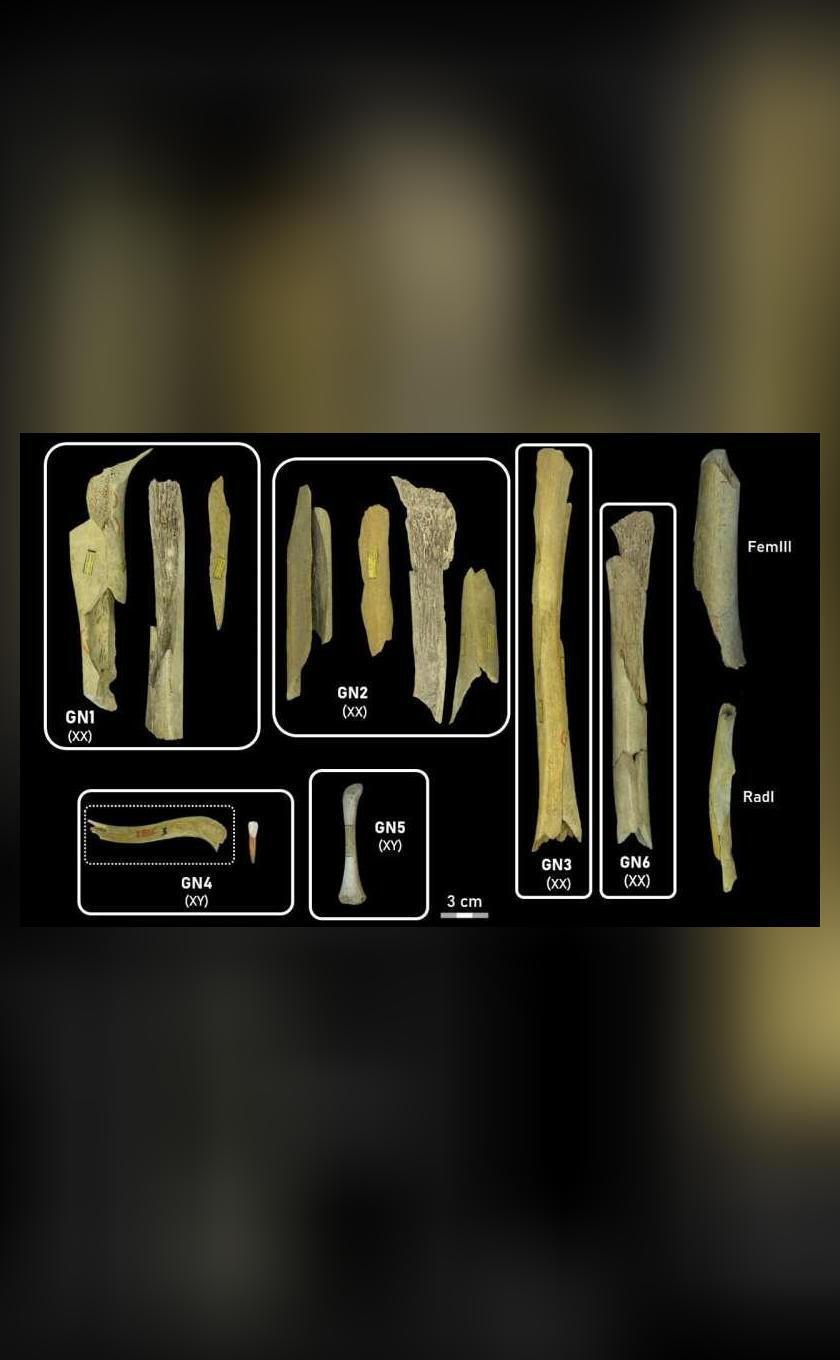
The research, which analyzed 101 bone fragments found in the Goyet cave system, identified butchery marks similar to those found on animal bones. These marks suggest that the Neanderthals used the same techniques to butcher and consume human flesh as they did with animal prey. The presence of these marks on the bones of women and children is a stark indication that they were the victims of cannibalism.
The study’s findings are based on a thorough examination of the bone fragments, which included the use of advanced techniques such as ZooMS (Zooarchaeology by Mass Spectrometry) and ancient DNA analysis. These methods allowed researchers to determine the species of origin for the bones and identify any signs of butchery or processing.
The discovery of cannibalism among Neanderthals is not entirely surprising, as there have been previous findings suggesting that they engaged in this behavior. However, the scale and nature of the cannibalism revealed in this study are unprecedented. The fact that the victims were predominantly women and children from other communities suggests that the Neanderthals were targeting vulnerable individuals who were not part of their own social group.
So, what could have driven the Neanderthals to engage in such behavior? The researchers suggest that territorial conflict and competition for resources may have played a significant role. Around 45,000 years ago, Neanderthal populations were shrinking, and Homo sapiens (modern humans) had begun to occupy nearby regions. This would have created tension and competition for resources, leading to conflicts between different groups.
In this context, the cannibalism may have been a way for the Neanderthals to assert their dominance and control over their territory. By targeting women and children from other communities, they may have been sending a message to their rivals and warning them to stay away. This behavior would have been a means of maintaining social boundaries and reinforcing their own group’s identity.
The study’s findings also raise questions about the nature of Neanderthal society and their social dynamics. The fact that women and children were targeted suggests that Neanderthal society may have been more patriarchal and hierarchical than previously thought. The presence of cannibalism also implies that Neanderthals may have had a more nuanced and complex relationship with death and the dead, which could have been tied to their spiritual or cultural practices.
The discovery of Neanderthal cannibalism has significant implications for our understanding of human evolution and the development of modern human behavior. It highlights the complexity and diversity of human societies in the past and challenges our assumptions about the nature of human behavior.
In conclusion, the study of human remains in Belgium’s Goyet cave system has revealed a shocking and fascinating aspect of Neanderthal behavior. The fact that Neanderthals engaged in cannibalism, targeting women and children from other communities, highlights the complexity and nuance of their social dynamics. As we continue to uncover more about our extinct relatives, we are reminded of the importance of considering the full range of human behavior, including the darker aspects of our nature.
News source: https://phys.org/news/2025-11-neanderthal-women-children-victims-cannibalism.html
About the Author