Neanderthals ate outsider women & children 45,000 years ago: Study
The discovery of ancient human remains in Belgium’s Goyet cave system has shed new light on the behavior of Neanderthals, our closest extinct relatives. A recent study published on the analysis of these remains has revealed a shocking truth: Neanderthals practiced cannibalism, targeting women and children from other communities. This finding has significant implications for our understanding of Neanderthal behavior, social structure, and the dynamics of human evolution.
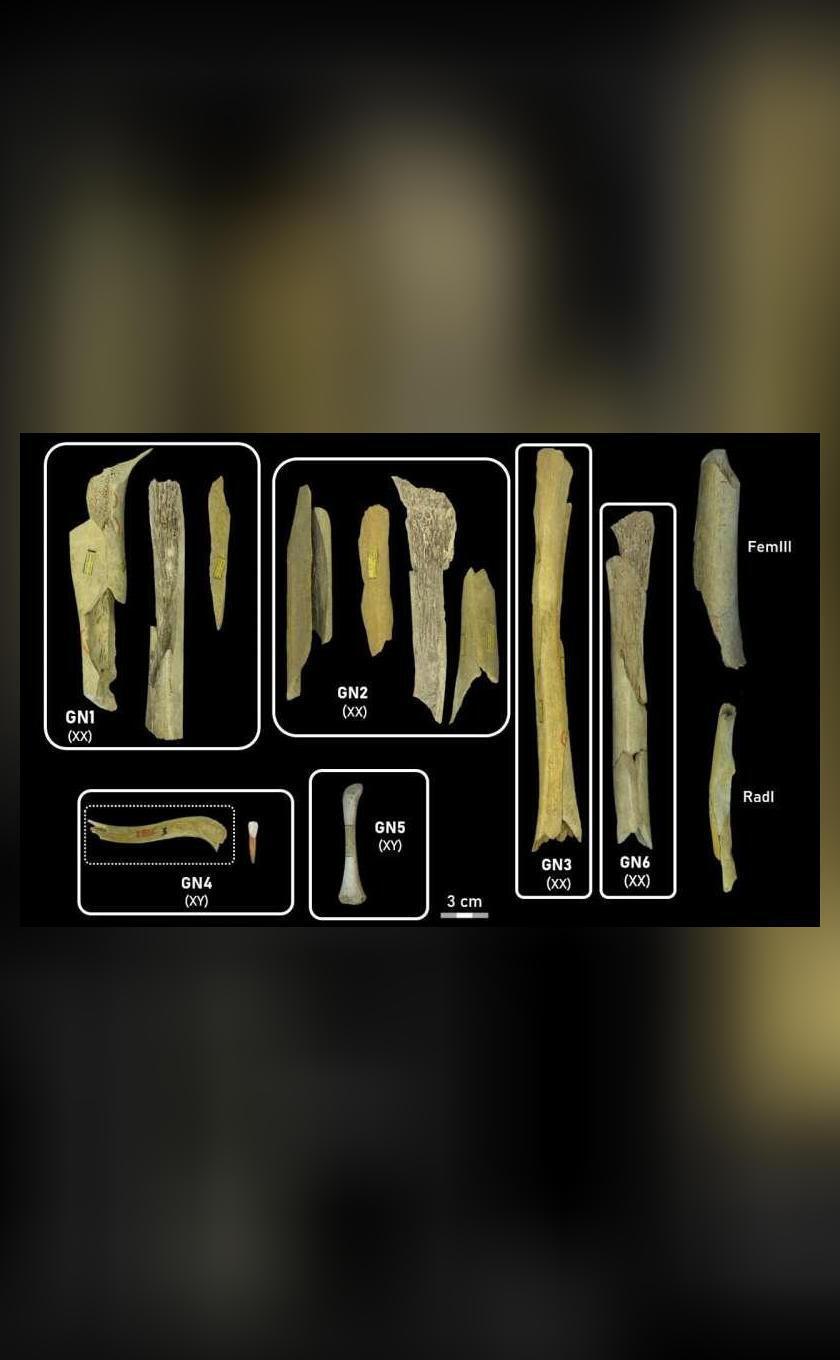
The Goyet cave system, located in Belgium, has been the subject of extensive archaeological research. The site has yielded a treasure trove of fossilized remains, including those of Neanderthals, who inhabited the region around 45,000 years ago. The latest study focused on the analysis of 101 bone fragments discovered in the cave system. These fragments belonged to Neanderthals, but what caught the attention of researchers was the presence of butchery marks on the bones.
The butchery marks on the Neanderthal bones were similar to those found on animal bones, which were likely butchered for food. This similarity suggests that the Neanderthals treated their human victims in a similar manner, indicating cannibalism. The researchers identified the bones as belonging to women and children, who were likely from other Neanderthal communities. This finding implies that Neanderthals practiced exocannibalism, where they consumed individuals from outside their own group.
The study’s findings have significant implications for our understanding of Neanderthal behavior and social structure. The fact that Neanderthals targeted women and children from other communities suggests that they were involved in territorial conflicts. This is not surprising, given that Neanderthal populations were shrinking around 45,000 years ago, and Homo sapiens had begun occupying nearby regions. The competition for resources and territory may have led to increased aggression and violence between Neanderthal groups.
The practice of cannibalism among Neanderthals is not entirely new, as there have been previous discoveries of butchered Neanderthal bones. However, this study provides the most conclusive evidence to date, and the fact that women and children were targeted adds a new layer of complexity to our understanding of Neanderthal behavior. The researchers suggest that the cannibalism may have been a way for Neanderthals to assert dominance over other groups, or to acquire resources such as protein and fat.
The discovery also raises questions about the social dynamics of Neanderthal groups. If Neanderthals were targeting women and children from other communities, it suggests that their social structure may have been more complex than previously thought. The fact that they were able to identify and target specific individuals from other groups implies a level of organization and planning, which is consistent with the idea that Neanderthals had a sophisticated social hierarchy.
The study’s findings also have implications for our understanding of human evolution. The fact that Neanderthals practiced cannibalism, and targeted women and children, suggests that they may have been more aggressive and violent than previously thought. This aggression may have contributed to their decline, as they were ultimately replaced by Homo sapiens. The study also highlights the importance of considering the social and cultural context of human evolution, rather than just focusing on biological and genetic factors.
In conclusion, the discovery of butchered Neanderthal bones in Belgium’s Goyet cave system has provided significant insights into the behavior and social structure of our closest extinct relatives. The fact that Neanderthals practiced cannibalism, targeting women and children from other communities, suggests that they were involved in territorial conflicts and had a complex social hierarchy. This study highlights the importance of continued research into human evolution, and the need to consider the social and cultural context of our ancestors’ behavior.
For more information on this study, please visit: https://phys.org/news/2025-11-neanderthal-women-children-victims-cannibalism.html
About the Author