Neanderthals ate outsider women & children 45,000 years ago: Study
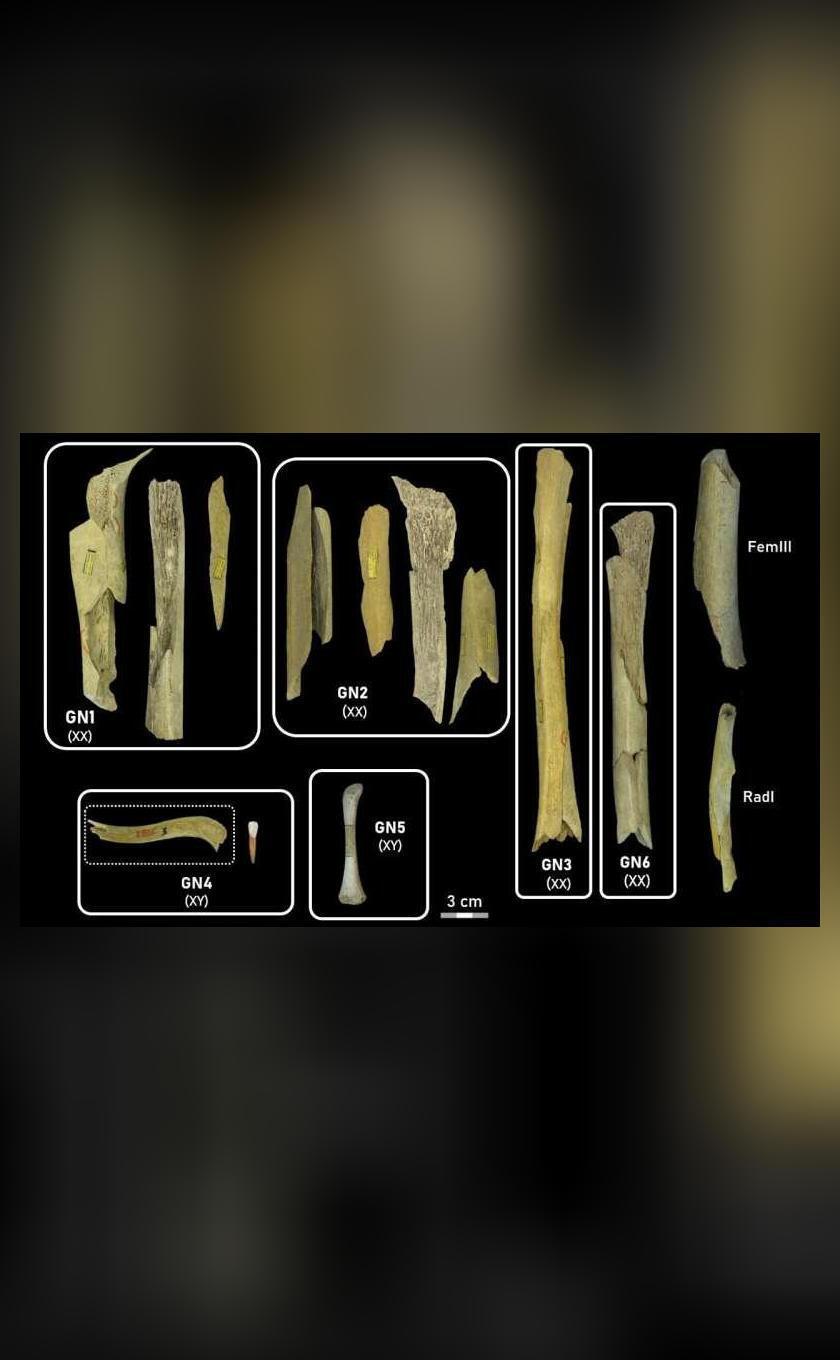
A recent study of human remains in Belgium’s Goyet cave system has revealed a shocking and disturbing practice of Neanderthals. According to the research, Neanderthals ate women and children from other communities around 45,000 years ago. This finding has significant implications for our understanding of Neanderthal behavior and social dynamics during that time period.
The study, which analyzed 101 bone fragments, found that the remains showed butchery marks similar to those found on animal bones. This suggests that the Neanderthals treated the human bodies in the same way they would treat animal carcasses, cutting and dismembering them for consumption. The presence of these butchery marks is a clear indication of cannibalism, and the fact that the victims were primarily women and children raises important questions about the social and cultural context of this behavior.
The researchers behind the study believe that the cannibalism was linked to territorial conflict, which was likely exacerbated by the shrinking Neanderthal population and the presence of Homo sapiens in nearby regions. As Neanderthal numbers declined, they may have become more competitive and aggressive in their pursuit of resources, leading to conflicts with other Neanderthal groups and eventually, to the practice of cannibalism.
The Goyet cave system, where the remains were found, is a significant archaeological site that has provided valuable insights into the lives of Neanderthals. The cave system has been the subject of extensive research and excavation, and the discovery of the cannibalized remains is one of the most significant findings to date. The fact that the remains were found in a cave system that was likely used by Neanderthals as a shelter and a place of residence adds to the significance of the discovery, as it suggests that the cannibalism was not just a rare or isolated incident, but rather a practice that was integrated into the daily lives of the Neanderthals.
The study’s findings also raise important questions about the nature of Neanderthal society and the social dynamics that governed their behavior. The fact that women and children were the primary victims of cannibalism suggests that Neanderthal society was highly patriarchal and that women and children were seen as inferior or less valuable than adult males. This is consistent with other research that has suggested that Neanderthal society was highly competitive and aggressive, with a strong emphasis on male dominance and power.
The discovery of cannibalism among Neanderthals also has significant implications for our understanding of human evolution and the development of human society. The fact that Neanderthals, who are closely related to modern humans, engaged in cannibalism suggests that this behavior may have been more common in human history than previously thought. It also highlights the importance of considering the social and cultural context of human behavior, rather than simply attributing it to biological or genetic factors.
In conclusion, the study of human remains in Belgium’s Goyet cave system has revealed a shocking and disturbing practice of Neanderthals, who ate women and children from other communities around 45,000 years ago. The finding of butchery marks on the remains and the link to territorial conflict and shrinking Neanderthal populations provides significant insights into the social dynamics and behavior of Neanderthals during that time period. As we continue to learn more about our ancient ancestors, we are reminded of the complexity and diversity of human behavior, and the importance of considering the social and cultural context of our actions.
The study’s findings are a significant contribution to our understanding of Neanderthal behavior and society, and highlight the need for further research into the lives and practices of our ancient ancestors. By examining the remains and artifacts left behind by Neanderthals, we can gain a deeper understanding of their world and their place in human history.
As we reflect on the discovery of cannibalism among Neanderthals, we are reminded of the importance of empathy and understanding in our pursuit of knowledge. By considering the social and cultural context of Neanderthal behavior, we can gain a more nuanced and compassionate understanding of their lives and practices, and appreciate the complexity and diversity of human experience.
For more information on this study, please visit: https://phys.org/news/2025-11-neanderthal-women-children-victims-cannibalism.html
About the Author