Neanderthals ate outsider women & children 45,000 years ago: Study
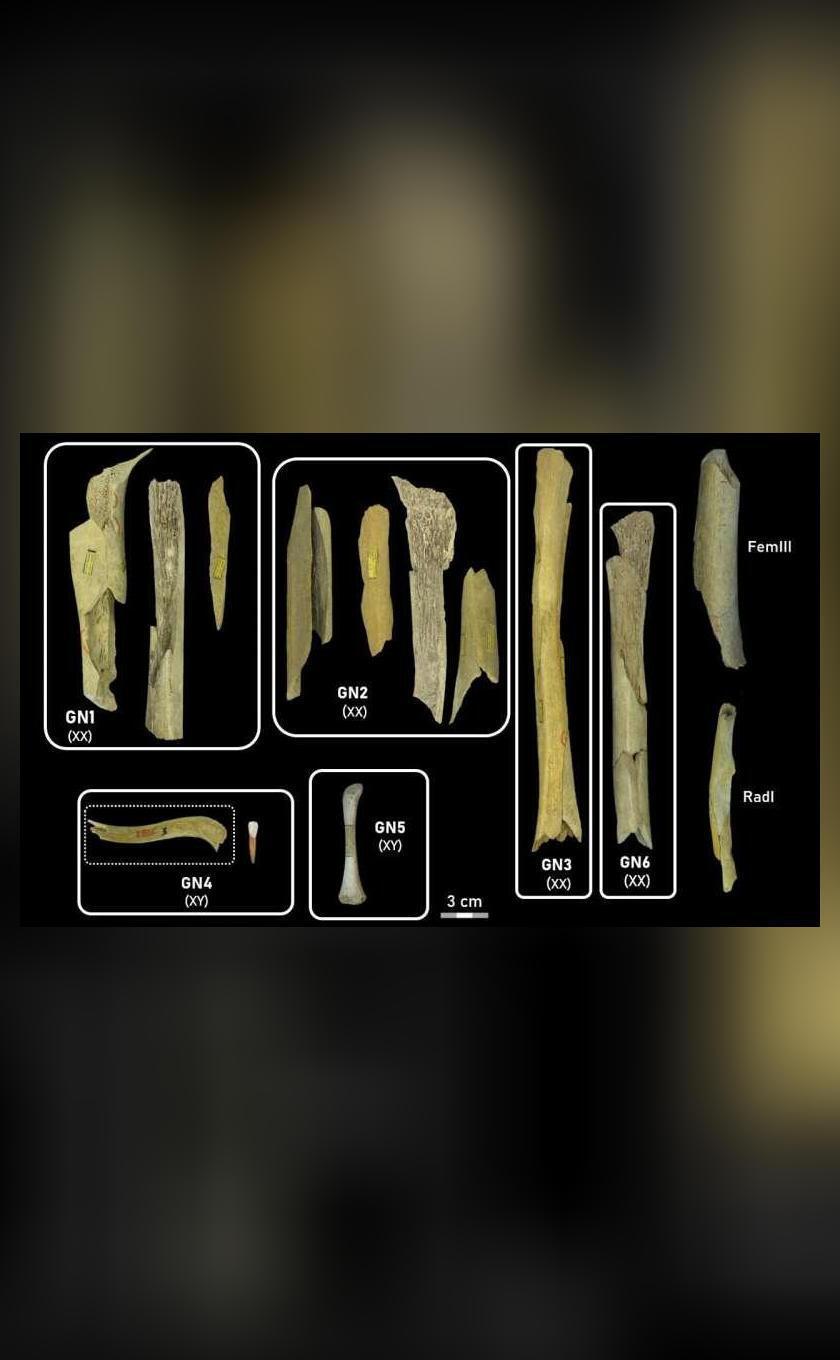
The discovery of ancient human remains in Belgium’s Goyet cave system has shed new light on the behavior of Neanderthals, our ancient human relatives. A recent study of these remains has revealed a shocking truth: Neanderthals engaged in cannibalism, targeting women and children from other communities, around 45,000 years ago. This finding has significant implications for our understanding of Neanderthal behavior, social structure, and the circumstances that led to their eventual decline.
The study, which analyzed 101 bone fragments found in the Goyet cave system, identified butchery marks similar to those found on animal bones. This suggests that the Neanderthals treated these human victims in a similar way to their animal prey, cutting and processing their flesh for consumption. The presence of these butchery marks on human bones is a clear indication of cannibalism, and the fact that the majority of the victims were women and children is a disturbing aspect of this discovery.
The researchers behind the study believe that this cannibalism was linked to territorial conflict, which arose as Neanderthal populations began to shrink. Around 45,000 years ago, Homo sapiens, our own species, had started to occupy nearby regions, posing a threat to Neanderthal territory and resources. This competition for resources may have led to increased aggression and violence between Neanderthal groups, with women and children from other communities becoming victims of cannibalism.
The fact that Neanderthals targeted women and children is significant, as it suggests that these individuals were seen as outsiders, and therefore, were not protected by the same social norms that governed behavior within their own community. This highlights the complexity of Neanderthal social structure, which was likely characterized by a strong sense of group identity and territoriality.
The discovery of cannibalism among Neanderthals is not entirely surprising, as there have been previous findings of similar behavior in other Neanderthal sites. However, the scale and nature of this cannibalism, as revealed by the Goyet cave study, are unprecedented. The fact that women and children were targeted, and that the butchery marks on their bones are similar to those found on animal bones, suggests a level of brutality and exploitation that is shocking to modern sensibilities.
The study’s findings also have implications for our understanding of Neanderthal decline. As Neanderthal populations shrank, they may have become more fragmented and isolated, leading to increased competition for resources and territory. This, in turn, may have led to increased aggression and violence, including cannibalism, as a means of survival. The arrival of Homo sapiens in nearby regions would have further exacerbated this competition, ultimately contributing to the demise of the Neanderthals.
In conclusion, the discovery of Neanderthal cannibalism in the Goyet cave system is a significant finding that sheds new light on the behavior and social structure of our ancient human relatives. The fact that women and children from other communities were targeted, and that this cannibalism was linked to territorial conflict, highlights the complexity and brutality of Neanderthal society. As we continue to study and learn more about our ancient ancestors, we are reminded of the intricate and often disturbing nature of human history.
The study’s findings are a testament to the importance of continued research into human evolution and behavior, and the need to challenge our assumptions about the past. As we move forward in our understanding of human history, we must also acknowledge the darker aspects of our shared heritage, including the cannibalism and violence that characterized the lives of our ancient ancestors.
For more information on this study, please visit: https://phys.org/news/2025-11-neanderthal-women-children-victims-cannibalism.html
News Source: https://phys.org/news/2025-11-neanderthal-women-children-victims-cannibalism.html
About the Author