Neanderthals ate outsider women & children 45,000 years ago: Study
The discovery of ancient human remains in Belgium’s Goyet cave system has shed new light on the behavior of Neanderthals, our closest extinct human relatives. A recent study has revealed that Neanderthals engaged in cannibalism, specifically targeting women and children from other communities, around 45,000 years ago. This shocking finding has significant implications for our understanding of Neanderthal behavior, social structure, and the dynamics of human evolution.
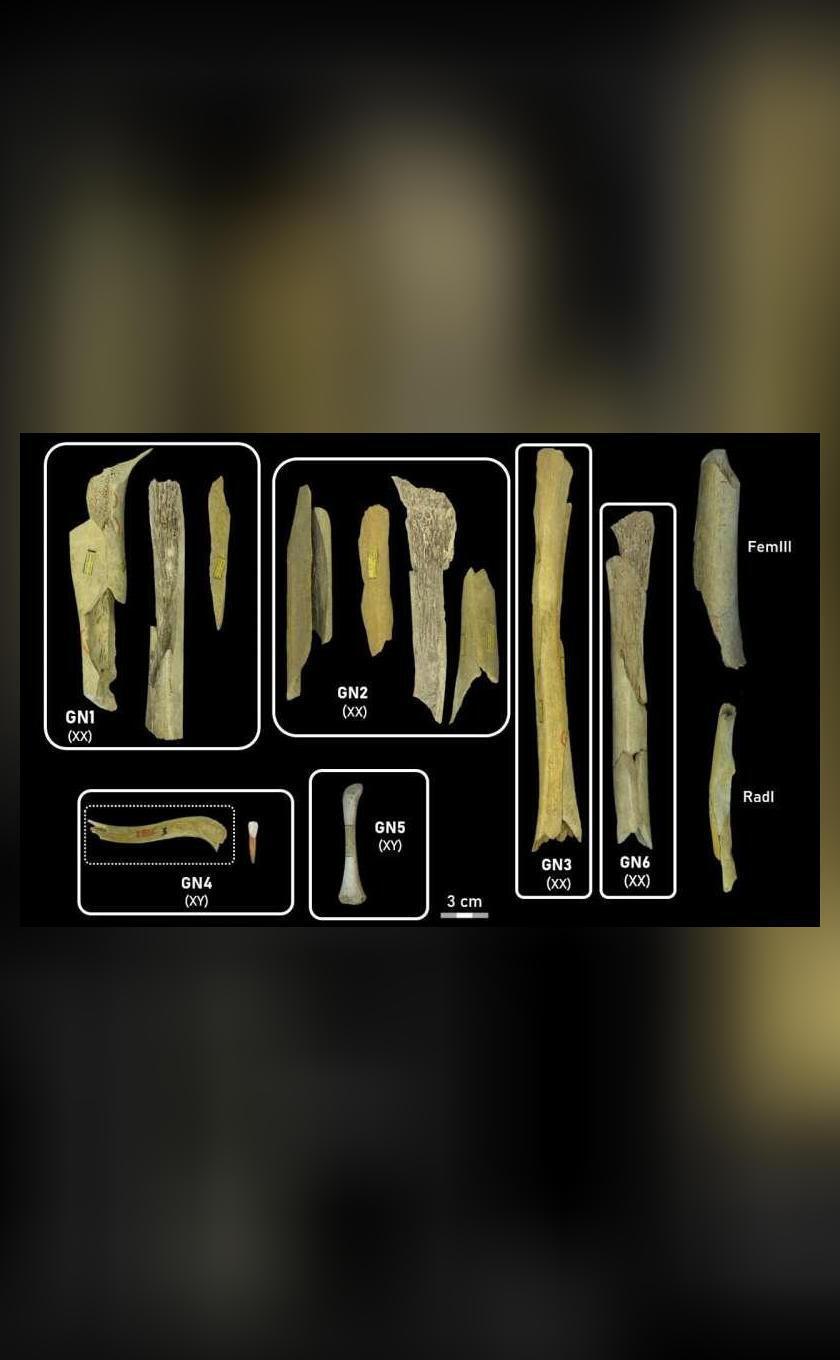
The research, which analyzed 101 bone fragments found in the Goyet cave system, identified butchery marks similar to those found on animal bones. These marks suggest that the Neanderthals used stone tools to cut and scrape the bones, likely to extract meat and marrow. The presence of these butchery marks on human bones is a clear indication of cannibalism, and the fact that the majority of the remains belong to women and children is particularly striking.
The study’s findings suggest that Neanderthals were not only capable of cannibalism but also targeted specific individuals from other communities. This behavior is likely linked to territorial conflict, which was exacerbated by the shrinking Neanderthal population and the expansion of Homo sapiens into nearby regions. As Neanderthals competed with Homo sapiens for resources, they may have turned to cannibalism as a means of asserting dominance and defending their territory.
The discovery of cannibalism among Neanderthals is not entirely surprising, as there is evidence of similar behavior in other ancient human species. However, the fact that Neanderthals targeted women and children is a new and significant finding. This suggests that Neanderthals may have viewed outsiders as a threat to their social group, and that they were willing to engage in violent behavior to protect their territory and resources.
The study’s authors suggest that the cannibalism may have been a response to the changing social and environmental landscape of Europe during this period. As the climate changed and resources became scarce, Neanderthals may have become more competitive and aggressive, leading to increased conflict with other groups. The fact that women and children were targeted suggests that Neanderthals may have seen them as vulnerable and easy prey, and that they may have been used as a means of intimidating or demoralizing rival groups.
The implications of this study are significant, as they challenge our traditional view of Neanderthals as gentle and cooperative. While Neanderthals are often portrayed as peaceful and altruistic, this study suggests that they were capable of violence and aggression, particularly when it came to defending their territory and resources. This new perspective on Neanderthal behavior highlights the complexity and nuance of human evolution, and suggests that our ancestors were capable of both cooperation and conflict.
The study also raises important questions about the nature of human violence and aggression. If Neanderthals, who are closely related to modern humans, were capable of cannibalism and violence, what does this say about the origins of human aggression? Is violence an inherent part of the human condition, or is it a product of specific social and environmental factors? These questions are difficult to answer, but they highlight the importance of continued research into human evolution and behavior.
In conclusion, the discovery of cannibalism among Neanderthals is a significant finding that challenges our traditional view of these ancient humans. The fact that Neanderthals targeted women and children from other communities suggests that they were capable of violence and aggression, particularly in the context of territorial conflict. As we continue to learn more about human evolution and behavior, it is clear that our ancestors were complex and multifaceted, capable of both cooperation and conflict. This study is an important reminder of the importance of continued research into human evolution, and the need to challenge our assumptions about the nature of human behavior.
News source: https://phys.org/news/2025-11-neanderthal-women-children-victims-cannibalism.html
About the Author