Neanderthals ate outsider women & children 45,000 years ago: Study
The discovery of ancient human remains in Belgium’s Goyet cave system has shed new light on the behavior of Neanderthals, our closest extinct human relatives. A recent study has revealed that Neanderthals engaged in cannibalism, targeting women and children from other communities, approximately 45,000 years ago. This finding has significant implications for our understanding of Neanderthal behavior, social structure, and the dynamics of human evolution.
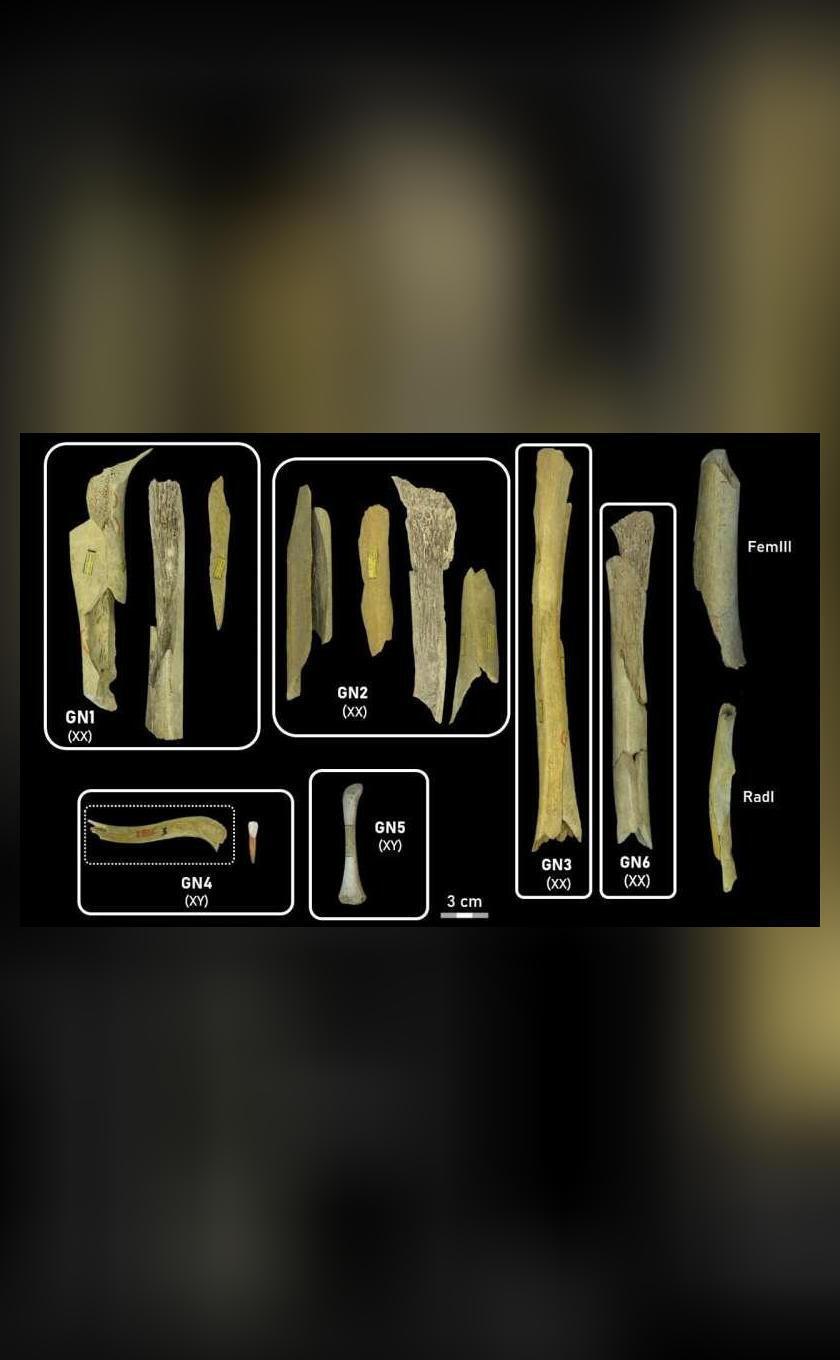
The study, which analyzed 101 bone fragments found in the Goyet cave system, identified butchery marks similar to those found on animal bones. These marks suggest that the Neanderthals cut, scraped, and broke the bones to extract marrow, a rich source of nutrients. The presence of these marks on human bones is a clear indication of cannibalism, and the fact that the majority of the remains belonged to women and children is a disturbing revelation.
The researchers behind the study believe that the cannibalism was linked to territorial conflict, which was exacerbated by the decline of Neanderthal populations and the expansion of Homo sapiens into nearby regions. As Neanderthals competed with Homo sapiens for resources, they may have turned to cannibalism as a means of survival, targeting vulnerable individuals from other communities.
The discovery of cannibalism among Neanderthals is not entirely new, as previous studies have found evidence of similar practices in other parts of Europe. However, the scale and nature of the cannibalism revealed in this study are unprecedented. The fact that Neanderthals targeted women and children, who are typically considered to be the most vulnerable members of a community, suggests a level of brutality and desperation that is both fascinating and disturbing.
The study also raises important questions about the social structure and organization of Neanderthal communities. The fact that women and children were targeted suggests that Neanderthals may have had a more hierarchical or patriarchal social structure, in which women and children were seen as outsiders or inferior. Alternatively, the targeting of women and children may have been a strategic decision, aimed at weakening or disrupting the social fabric of rival communities.
The discovery of cannibalism among Neanderthals also has significant implications for our understanding of human evolution. The fact that Neanderthals engaged in cannibalism suggests that they were capable of complex and nuanced social behaviors, which may have been driven by a range of factors, including environmental pressure, social competition, and cultural norms.
The study’s findings are also relevant to our understanding of the relationship between Neanderthals and Homo sapiens. The fact that Neanderthals targeted women and children from other communities suggests that they may have seen Homo sapiens as a threat, and that the two species may have competed for resources and territory. This competition may have driven the decline of Neanderthal populations, and ultimately contributed to their extinction.
In conclusion, the discovery of cannibalism among Neanderthals is a significant finding that sheds new light on the behavior and social structure of our closest extinct human relatives. The fact that Neanderthals targeted women and children from other communities is a disturbing revelation, which suggests a level of brutality and desperation that is both fascinating and disturbing. As we continue to learn more about Neanderthals and their place in the human evolutionary story, we are reminded of the complexity and nuance of human behavior, and the many factors that have shaped our species over time.
The study’s findings are a testament to the power of scientific inquiry and the importance of continued research into the human past. By analyzing ancient human remains and reconstructing the lives of our ancestors, we can gain a deeper understanding of the complex and often surprising history of our species.
For more information on this study, please visit: https://phys.org/news/2025-11-neanderthal-women-children-victims-cannibalism.html
About the Author