Neanderthals ate outsider women & children 45,000 years ago: Study
The discovery of ancient human remains in Belgium’s Goyet cave system has shed new light on the behavior of Neanderthals, our closest extinct human relatives. A recent study has revealed that Neanderthals practiced cannibalism, targeting women and children from other communities around 45,000 years ago. This shocking finding has significant implications for our understanding of Neanderthal social dynamics and their interactions with other human groups.
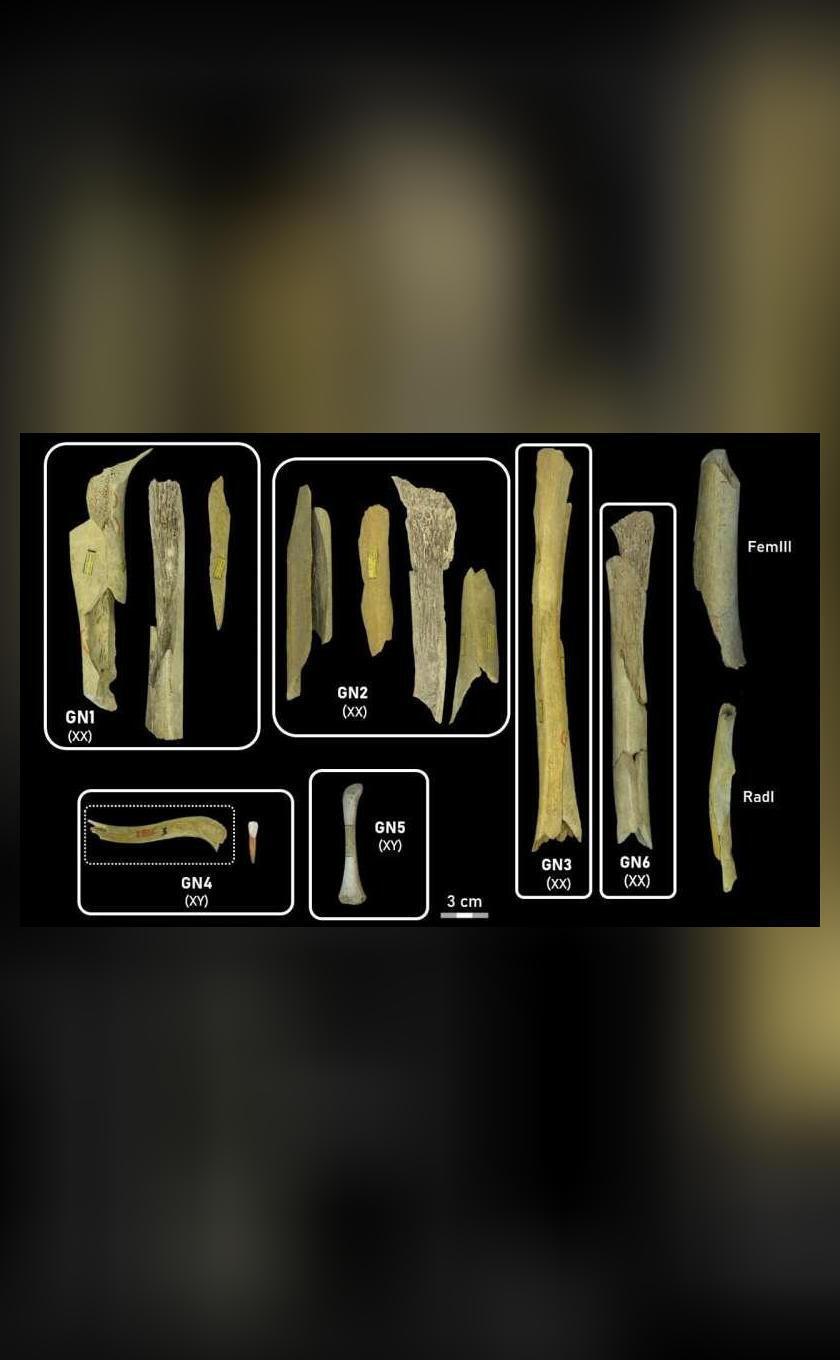
The study, which analyzed 101 bone fragments found in the Goyet cave system, identified butchery marks similar to those found on animal bones. These marks suggest that the Neanderthals had cut, scraped, and broken the human bones to extract flesh, marrow, and other edible tissues. The presence of these marks on human bones is a clear indication of cannibalism, a practice that has been observed in various human societies throughout history.
The researchers found that the human remains with butchery marks belonged to women and children, who were likely outsiders, not part of the local Neanderthal community. This suggests that the Neanderthals may have targeted vulnerable individuals from other groups, possibly as a result of territorial conflicts or resource competition. The fact that the victims were primarily women and children implies that the Neanderthals may have been seeking to exploit these individuals for food, rather than engaging in ritualistic or symbolic cannibalism.
The timing of this cannibalistic behavior is also significant, as it coincides with a period of decline in Neanderthal populations. Around 45,000 years ago, Neanderthals were facing increasing competition from Homo sapiens, who were expanding their territory into Europe. This competition may have led to territorial conflicts, as Neanderthals defended their resources and territory against the encroaching Homo sapiens.
The study’s findings have important implications for our understanding of Neanderthal social dynamics and their interactions with other human groups. It suggests that Neanderthals were capable of complex and nuanced behavior, including cooperation, conflict, and exploitation. The fact that they targeted outsider women and children for cannibalism implies a level of social and cultural complexity that is often overlooked in popular depictions of Neanderthals as brutish and unsophisticated.
The discovery of cannibalism among Neanderthals also raises questions about the evolution of human behavior and the origins of modern human societies. It highlights the importance of considering the social and cultural context in which human behavior evolved, and the need to move beyond simplistic or stereotypical portrayals of our ancient ancestors.
In conclusion, the study of human remains in Belgium’s Goyet cave system has provided a unique glimpse into the behavior of Neanderthals, revealing a complex and nuanced picture of their social dynamics and interactions with other human groups. The finding of cannibalism among Neanderthals, targeting outsider women and children, highlights the importance of considering the social and cultural context in which human behavior evolved, and challenges our assumptions about the evolution of human societies.
The discovery of Neanderthal cannibalism is a significant addition to our understanding of human history, and it underscores the importance of continued research into the lives and behaviors of our ancient ancestors. As we continue to uncover new evidence and insights into the evolution of human behavior, we are reminded of the complexity and diversity of human experience, and the need to approach our understanding of the past with nuance, sensitivity, and respect.
Read more about this study at: https://phys.org/news/2025-11-neanderthal-women-children-victims-cannibalism.html
About the Author