NASA Scientist Says Biblical Star of Bethlehem May Have Been Comet
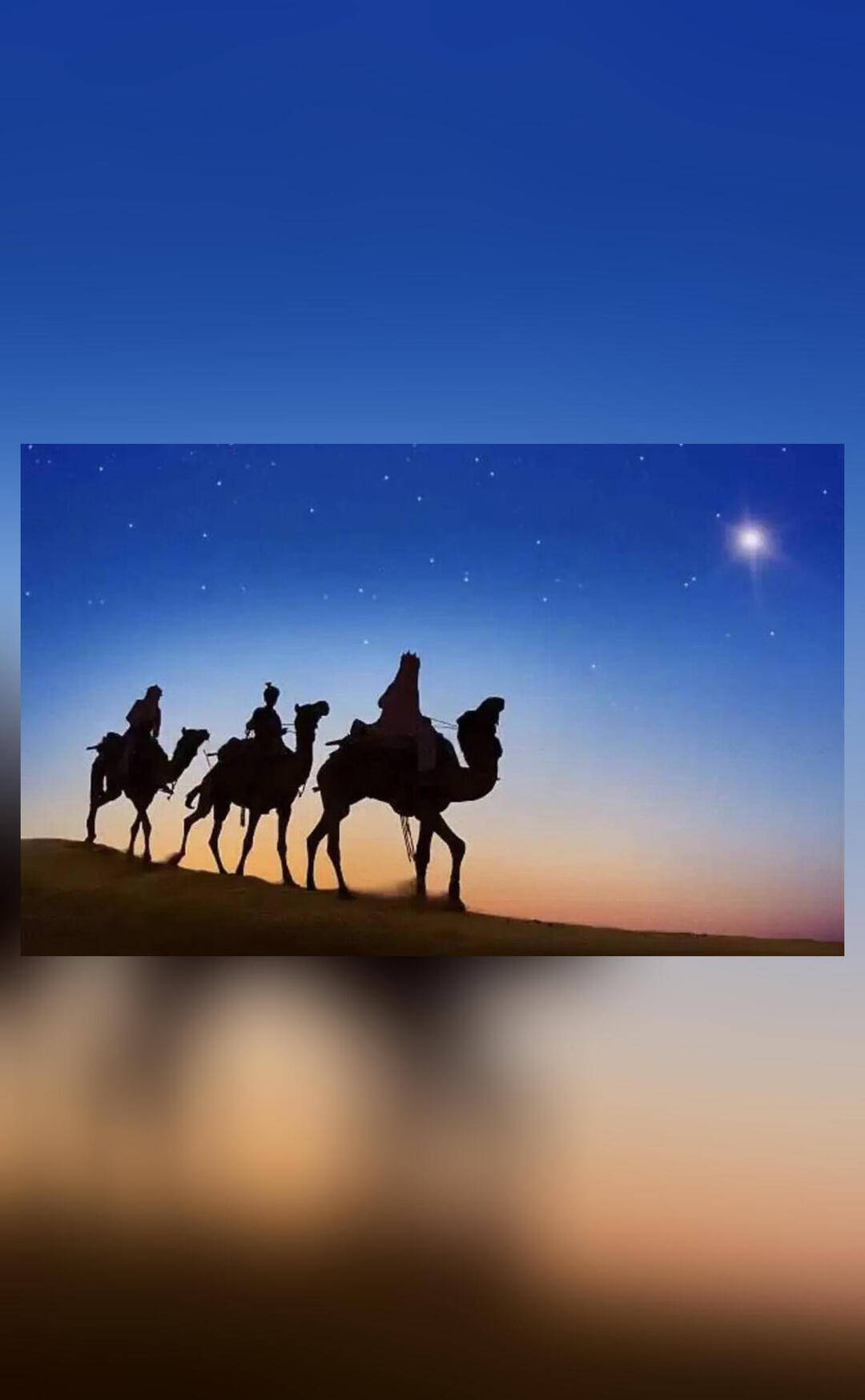
The Star of Bethlehem, also known as the Christmas Star, has been a topic of fascination and debate for centuries. The biblical account of the Star of Bethlehem is found in the Gospel of Matthew, which describes a star that appeared in the sky, guiding the Magi, also known as the Three Wise Men, to the birthplace of Jesus Christ. For years, scientists and historians have attempted to identify the celestial event that may have inspired this biblical account. Now, a NASA planetary scientist, Mark Matney, has suggested that the biblical Star of Bethlehem may have been a comet recorded by Chinese astronomers in 5 BC.
According to Matney, the comet may have been visible for over 70 days, which is unusually long for a comet. This prolonged visibility could have made it a significant event in the ancient world, attracting the attention of astronomers and laypeople alike. What’s more, Matney’s analysis suggests that the comet may have passed extremely close to Earth, making it shine brightly enough to be seen during the daytime. This would have been a truly remarkable sight, and one that could have been interpreted as a sign or portent by ancient cultures.
Matney’s theory is based on his orbital analysis of the comet, which showed that it may have seemed to move and then “stand still” in the sky, much like the description of the Star of Bethlehem in the Gospel of Matthew. This unusual motion could have been misinterpreted by ancient observers as a star that was moving and then stopping in the sky. Matney’s research suggests that the comet’s orbit would have taken it close to the constellation of Capricorn, which was an important astronomical marker in ancient times.
The idea that the Star of Bethlehem may have been a comet is not new, but Matney’s research provides new evidence and insights into this theory. Comets were often seen as omens or signs in ancient cultures, and it’s possible that the appearance of a bright comet in the sky could have been interpreted as a sign of the birth of a new king or messiah. The fact that the comet may have been visible for over 70 days would have made it a significant event, and one that could have been recorded by astronomers and historians of the time.
The Chinese astronomical records from 5 BC provide a key piece of evidence for Matney’s theory. These records describe a comet that was visible for over 70 days, which is consistent with Matney’s orbital analysis. The fact that these records exist and provide a detailed description of the comet’s appearance and motion provides strong evidence for the idea that the Star of Bethlehem may have been a comet.
While Matney’s theory is intriguing, it’s not without its challenges and controversies. Some scientists have questioned the accuracy of the Chinese astronomical records, and others have suggested that the comet may not have been as bright or visible as Matney’s analysis suggests. Additionally, the fact that the biblical account of the Star of Bethlehem is often seen as a miraculous or supernatural event may make it difficult for some people to accept a natural explanation for the phenomenon.
Despite these challenges, Matney’s research provides a fascinating insight into the possible astronomical origins of the Star of Bethlehem. The idea that a comet may have been the inspiration for this biblical account is a compelling one, and it highlights the complex and often surprising ways in which ancient cultures interpreted and understood celestial events. As we continue to explore and understand the universe, we may uncover more evidence and insights into the mysteries of the past, including the enigmatic Star of Bethlehem.
In conclusion, the mystery of the Star of Bethlehem may have been solved, at least in part, by NASA planetary scientist Mark Matney. The idea that the biblical Star of Bethlehem may have been a comet recorded by Chinese astronomers in 5 BC provides a fascinating and plausible explanation for this ancient celestial event. While there may be challenges and controversies surrounding this theory, it’s clear that Matney’s research has revived the debate and sparked a new wave of interest in the astronomical origins of the Star of Bethlehem.
About the Author