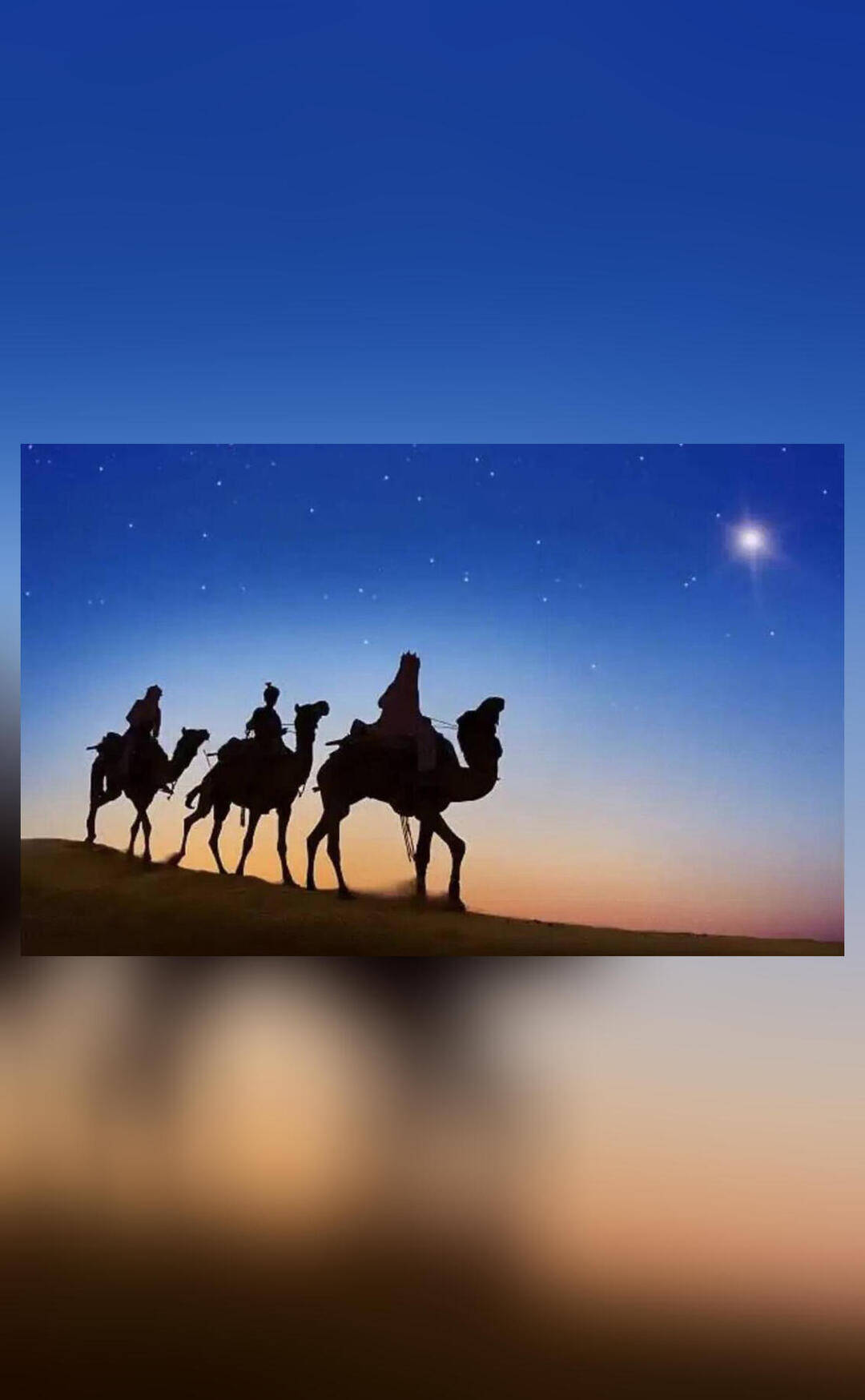
NASA Scientist Says Biblical Star of Bethlehem May Have Been Comet
For centuries, the story of the Star of Bethlehem has been a topic of fascination and debate among scholars, astronomers, and the general public. The biblical account of a bright star that guided the Magi to the birthplace of Jesus has been interpreted in many ways, with some considering it a miraculous event and others seeking a scientific explanation. Recently, a NASA planetary scientist, Mark Matney, has reignited the debate by suggesting that the Star of Bethlehem may have been a comet that was recorded by Chinese astronomers in 5 BC.
According to Matney, the comet may have been visible for over 70 days, which is a relatively long period of time for a comet to be visible in the sky. What’s more, the comet may have passed extremely close to Earth, making it shine brightly during the daytime. This would have been a rare and remarkable event, as comets are typically only visible at night when they are close to the Sun.
Matney’s theory is based on his orbital analysis of the comet’s trajectory. By studying the comet’s path, he found that it may have seemed to move and then “stand still” in the sky, which is consistent with the description of the Star of Bethlehem in the Gospel of Matthew. The Gospel account describes the star as moving and then stopping over the town of Bethlehem, where Jesus was born.
The idea that the Star of Bethlehem may have been a comet is not new, but Matney’s research provides new insights into the possibility. Comets are known to be unpredictable and can appear suddenly in the sky, making them a plausible explanation for the Star of Bethlehem. Additionally, the fact that Chinese astronomers recorded a comet in 5 BC provides a historical record that supports Matney’s theory.
The Chinese astronomical records from the Han Dynasty are considered to be some of the most accurate and detailed records of astronomical events in ancient times. The records describe a comet that was visible for over 70 days, which is consistent with Matney’s theory. The records also describe the comet as being visible during the daytime, which would have been a rare and remarkable event.
Matney’s research has significant implications for our understanding of the Star of Bethlehem and its significance in history. If the Star of Bethlehem was indeed a comet, it would provide a scientific explanation for the event and shed new light on the biblical account. It would also highlight the importance of astronomical events in ancient times and how they were often seen as omens or signs of significant events.
The debate over the Star of Bethlehem is not new, and Matney’s research is likely to reignite the discussion among scholars and astronomers. Some may argue that the Star of Bethlehem was a miraculous event that cannot be explained by science, while others may see Matney’s theory as a plausible explanation for the event.
In conclusion, the mystery of the Star of Bethlehem may have been solved by NASA scientist Mark Matney, who suggests that it may have been a comet recorded by Chinese astronomers in 5 BC. Matney’s orbital analysis shows that the comet may have seemed to move and then “stand still” in the sky, which is consistent with the Gospel description. The fact that Chinese astronomers recorded a comet in 5 BC provides a historical record that supports Matney’s theory. While the debate over the Star of Bethlehem is likely to continue, Matney’s research provides a fascinating insight into the possibility that the Star of Bethlehem may have been a comet.
The story of the Star of Bethlehem is a reminder of the importance of astronomical events in ancient times and how they were often seen as omens or signs of significant events. The fact that a comet may have been visible for over 70 days and passed extremely close to Earth makes it a rare and remarkable event that would have been remembered for centuries.
In the end, the true nature of the Star of Bethlehem may never be known for certain, but Matney’s research provides a compelling theory that is worth considering. Whether or not the Star of Bethlehem was a comet, its significance in history and its impact on human culture are undeniable. The story of the Star of Bethlehem continues to captivate audiences around the world, and Matney’s research is a fascinating addition to the ongoing debate.
About the Author