NASA Scientist Says Biblical Star of Bethlehem May Have Been Comet
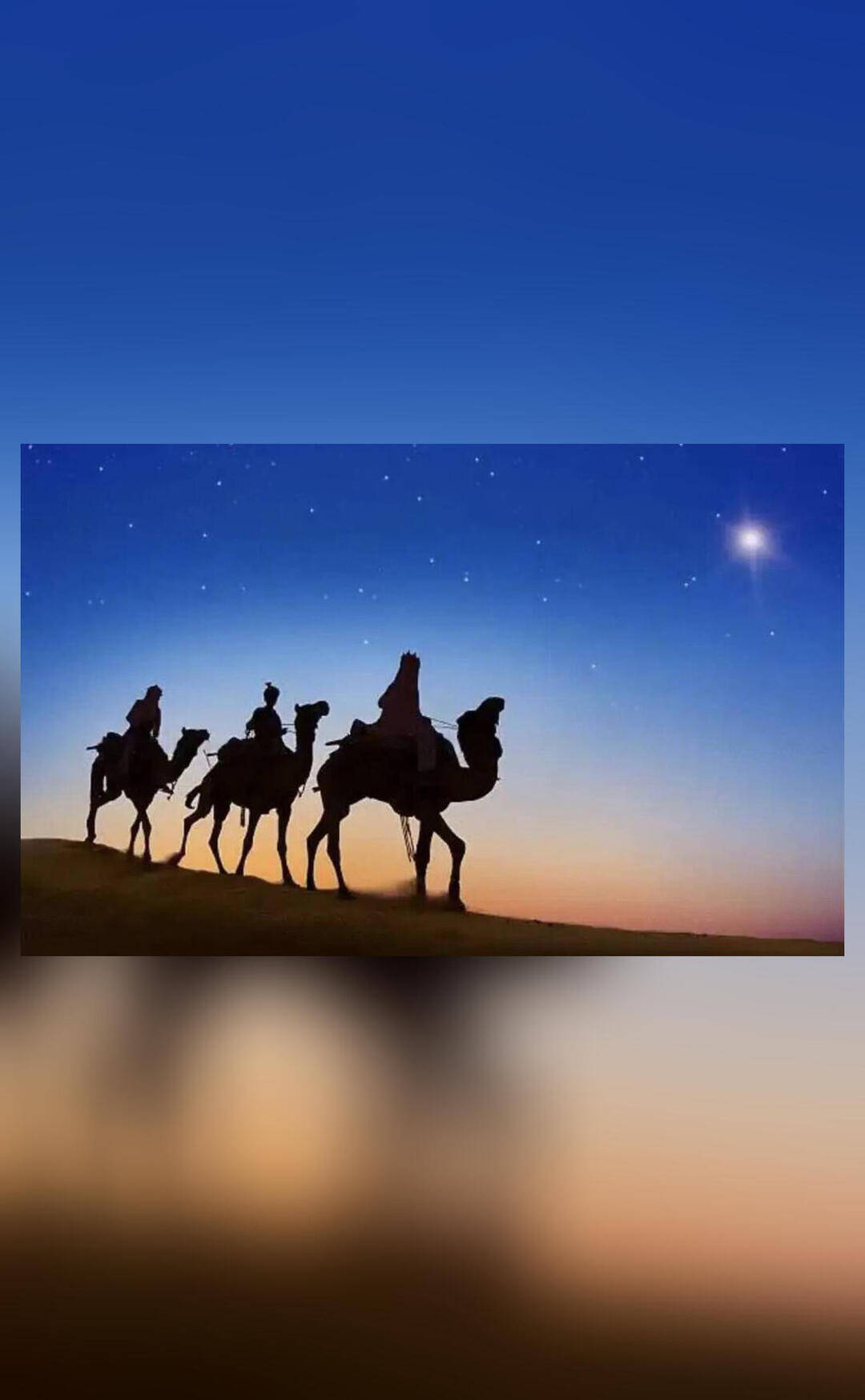
The Star of Bethlehem, also known as the Christmas Star, has been a topic of fascination and debate for centuries. The biblical account of the Star of Bethlehem is found in the Gospel of Matthew, which describes a bright star that appeared in the sky, guiding the Magi, also known as the Three Wise Men, to the birthplace of Jesus Christ. While the exact nature of the Star of Bethlehem has been the subject of much speculation and debate, a NASA planetary scientist has now suggested that it may have been a comet that was recorded by Chinese astronomers in 5 BC.
According to NASA planetary scientist Mark Matney, the biblical Star of Bethlehem may have been a comet that was visible for over 70 days, making it a significant and unusual celestial event. Matney’s research suggests that the comet may have passed extremely close to Earth, which would have made it shine brightly during the daytime, even in the presence of the sun. This would have been a remarkable sight, and one that would have been noticed by astronomers and laypeople alike.
Matney’s theory is based on his orbital analysis of a comet that was recorded by Chinese astronomers in 5 BC. The comet was said to have been visible for over 70 days, which is a relatively long period of time for a comet to be visible in the sky. Matney’s analysis suggests that the comet may have been a “sungrazer,” a type of comet that passes extremely close to the sun. This would have caused the comet to shine brightly, even during the daytime, and would have made it visible from a large portion of the Earth.
One of the most interesting aspects of Matney’s theory is that the comet may have seemed to move and then “stand still” in the sky, which is consistent with the description of the Star of Bethlehem in the Gospel of Matthew. According to the biblical account, the Star of Bethlehem appeared to the Magi and then seemed to move, leading them to the birthplace of Jesus Christ. Matney’s analysis suggests that the comet may have appeared to move in a similar way, which would have been a remarkable sight for the Magi and other observers.
The idea that the Star of Bethlehem may have been a comet is not a new one, and has been suggested by astronomers and historians in the past. However, Matney’s research provides new evidence and insights into the nature of the Star of Bethlehem, and suggests that it may have been a real astronomical event that was observed and recorded by ancient astronomers.
The debate over the nature of the Star of Bethlehem is not just a matter of academic interest, but also has significant cultural and historical implications. The Star of Bethlehem is a central part of the Christmas story, and is often depicted in art and literature as a symbol of the divine and the miraculous. If the Star of Bethlehem was indeed a comet, it would suggest that the events described in the Gospel of Matthew may have been based on real astronomical observations, which would add a new layer of depth and meaning to the biblical account.
In conclusion, the idea that the biblical Star of Bethlehem may have been a comet is a fascinating and intriguing one, and is supported by Matney’s orbital analysis and historical research. While the debate over the nature of the Star of Bethlehem is likely to continue, Matney’s theory provides a new and compelling explanation for this ancient and mysterious celestial event. Whether or not the Star of Bethlehem was a comet, it remains a powerful and enduring symbol of the Christmas story, and continues to inspire and captivate people around the world.
About the Author