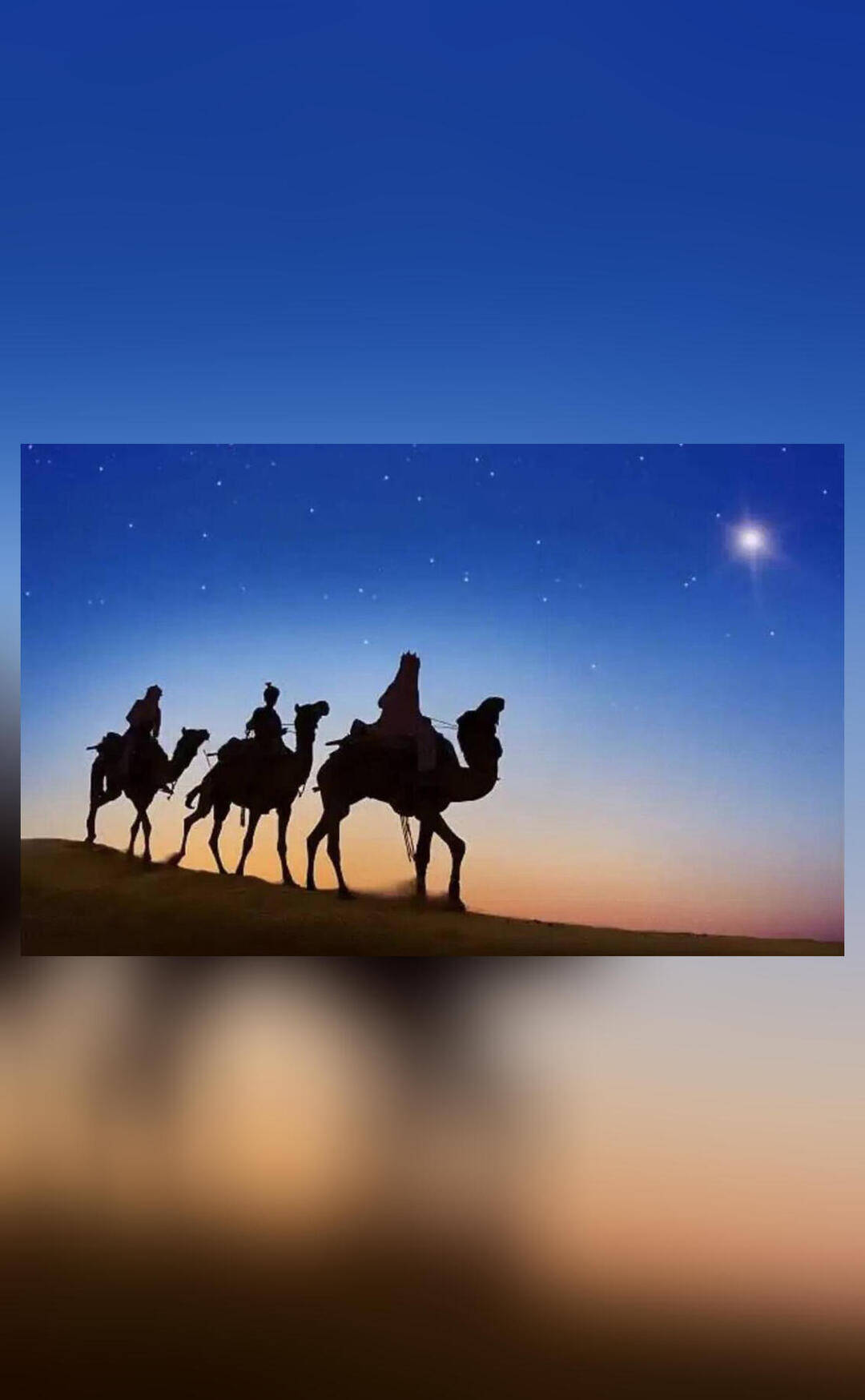
NASA scientist says biblical Star of Bethlehem may have been comet
The Star of Bethlehem, also known as the Christmas Star, has been a topic of fascination and debate for centuries. The biblical account of the Star of Bethlehem is found in the Gospel of Matthew, which describes a bright star that guided the Magi, also known as the Three Wise Men, to the birthplace of Jesus Christ. While the exact nature and origin of the Star of Bethlehem have been the subject of much speculation, a NASA planetary scientist has suggested that it may have been a comet recorded by Chinese astronomers in 5 BC.
Mark Matney, a NASA planetary scientist, has proposed that the Star of Bethlehem may have been a comet that was visible for over 70 days. This comet may have passed extremely close to Earth, making it shine brightly during the daytime. Matney’s orbital analysis showed that the comet may have seemed to move and then “stand still”, which is consistent with the description of the Star of Bethlehem in the Gospel of Matthew.
The idea that the Star of Bethlehem may have been a comet is not a new one. However, Matney’s research provides new insights into the possible nature of the Star. According to Matney, the comet may have been a spectacular sight, visible for several weeks and even during the daytime. This would have made it a significant event, one that would have been noticed by astronomers and astrologers of the time.
The Chinese astronomers’ records of a comet in 5 BC provide a crucial piece of evidence in support of Matney’s theory. These records describe a comet that was visible for over 70 days, which is consistent with the duration of the Star of Bethlehem as described in the Gospel of Matthew. Additionally, the Chinese records suggest that the comet may have passed close to Earth, which would have made it a bright and impressive sight.
Matney’s orbital analysis of the comet’s path provides further evidence in support of his theory. According to his calculations, the comet may have seemed to move and then “stand still” in the sky, which is consistent with the description of the Star of Bethlehem in the Gospel of Matthew. This “standing still” of the comet may have been due to its close proximity to Earth, which would have made it appear to be stationary in the sky.
The implications of Matney’s theory are significant. If the Star of Bethlehem was indeed a comet, it would provide a natural explanation for the biblical account of the Star. It would also suggest that the Magi, who were known for their knowledge of astronomy and astrology, may have been able to predict the appearance of the comet and interpret its significance.
While Matney’s theory is intriguing, it is not without its challenges. Some scholars have questioned the accuracy of the Chinese astronomers’ records, which are over 2,000 years old. Additionally, the exact path of the comet and its proximity to Earth are still a matter of debate.
Despite these challenges, Matney’s theory provides a fascinating new perspective on the Star of Bethlehem. It highlights the importance of astronomical events in ancient cultures and the significance of comets in particular. Comets have long been seen as omens and signs of significant events, and the Star of Bethlehem may have been no exception.
In conclusion, the mystery of the Star of Bethlehem may have been solved, thanks to the research of NASA planetary scientist Mark Matney. While the exact nature and origin of the Star are still a matter of debate, Matney’s theory provides a compelling explanation for the biblical account. The idea that the Star of Bethlehem may have been a comet recorded by Chinese astronomers in 5 BC is a fascinating one, and it highlights the importance of astronomical events in ancient cultures.
As we continue to explore the mysteries of the universe, it is clear that the Star of Bethlehem remains an important and intriguing topic of study. Whether or not Matney’s theory is ultimately proven correct, it is clear that the Star of Bethlehem will continue to capture the imagination of people around the world.
About the Author