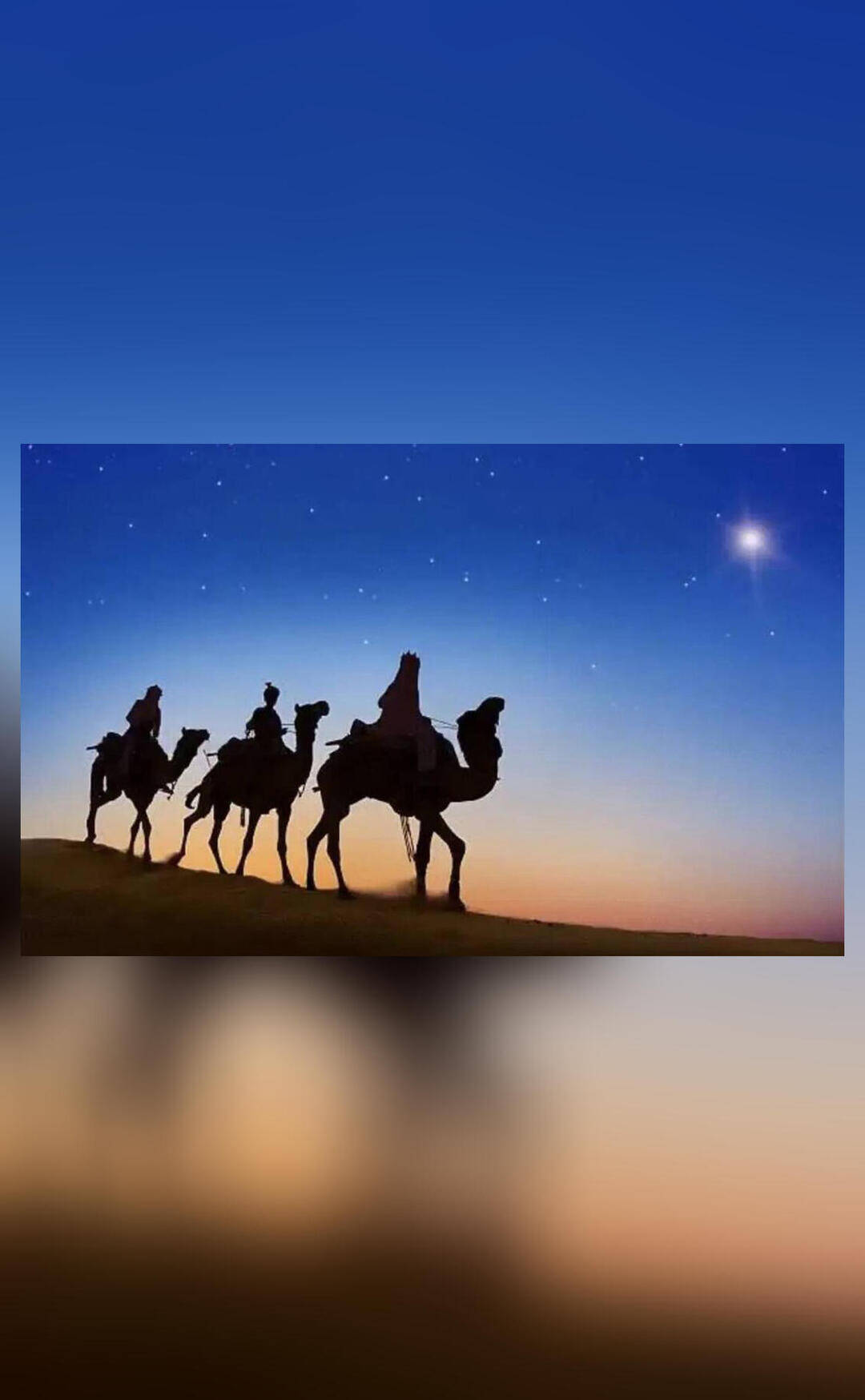
NASA Scientist Says Biblical Star of Bethlehem May Have Been Comet
The Star of Bethlehem, also known as the Christmas Star, has been a topic of debate and speculation for centuries. The biblical account of the star that guided the Magi to the birthplace of Jesus Christ has been interpreted in many ways, with some considering it a miraculous event and others seeking a scientific explanation. Recently, NASA planetary scientist Mark Matney has suggested that the biblical Star of Bethlehem may have been a comet recorded by Chinese astronomers in 5 BC. This theory has sparked a revival of interest in the mystery behind the Star of Bethlehem, and in this blog post, we will delve into the details of Matney’s proposal and explore the possibility that a comet may have been the celestial body that guided the Magi to Bethlehem.
According to Matney, the comet in question was visible for over 70 days, which is a relatively long period of time for a comet to be visible in the sky. This prolonged visibility would have made the comet a notable event in the ancient world, and it is possible that it was seen by people in the Middle East, including the Magi. The comet may have passed extremely close to Earth, which would have made it shine brightly during the daytime, making it a remarkable sight for anyone who witnessed it.
One of the key pieces of evidence that supports Matney’s theory is the orbital analysis of the comet. According to Matney, the comet’s orbit would have taken it close to the Sun, causing it to brighten significantly as it approached the inner solar system. As the comet moved away from the Sun, it would have appeared to move slowly across the sky, and then “stand still” for a period of time, before continuing on its path. This description matches the Gospel account of the Star of Bethlehem, which describes the star as moving and then standing still over the town of Bethlehem.
The idea that the Star of Bethlehem may have been a comet is not a new one. In fact, several scientists and historians have suggested this possibility over the years. However, Matney’s proposal is significant because it is based on a specific comet that was recorded by Chinese astronomers in 5 BC. This comet, known as the “Great Comet of 5 BC,” was a major event in the ancient world, and it is possible that it was seen by people in the Middle East, including the Magi.
The observation of the comet by Chinese astronomers is well-documented in historical records. According to these records, the comet was visible for over 70 days, and it was seen in the constellation of Capricornus. This is significant because the constellation of Capricornus is located in the southern sky, which would have made the comet visible from the Middle East. The fact that the comet was seen in this constellation also matches the Gospel account of the Star of Bethlehem, which describes the star as being in the southern sky.
While Matney’s proposal is intriguing, it is not without its challenges. One of the main issues is that the comet would have had to pass extremely close to Earth in order to appear as bright as the Star of Bethlehem is described in the Gospel account. This would have made the comet a significant event, and it is possible that it would have been recorded by other ancient civilizations, such as the Egyptians or the Greeks.
Despite these challenges, Matney’s proposal is an important contribution to the ongoing debate about the nature of the Star of Bethlehem. The idea that a comet may have been the celestial body that guided the Magi to Bethlehem is a fascinating one, and it highlights the complex and often mysterious nature of astronomical events. As we continue to explore the universe and learn more about the movements of celestial bodies, we may uncover new evidence that sheds light on the mystery of the Star of Bethlehem.
In conclusion, the proposal by NASA planetary scientist Mark Matney that the biblical Star of Bethlehem may have been a comet recorded by Chinese astronomers in 5 BC is a fascinating one. While there are challenges to this theory, it is an important contribution to the ongoing debate about the nature of the Star of Bethlehem. As we continue to explore the universe and learn more about the movements of celestial bodies, we may uncover new evidence that sheds light on the mystery of the Star of Bethlehem. Whether or not the Star of Bethlehem was a comet, it remains a powerful and enduring symbol of the Christmas story, and its mystery continues to inspire and captivate people around the world.
About the Author