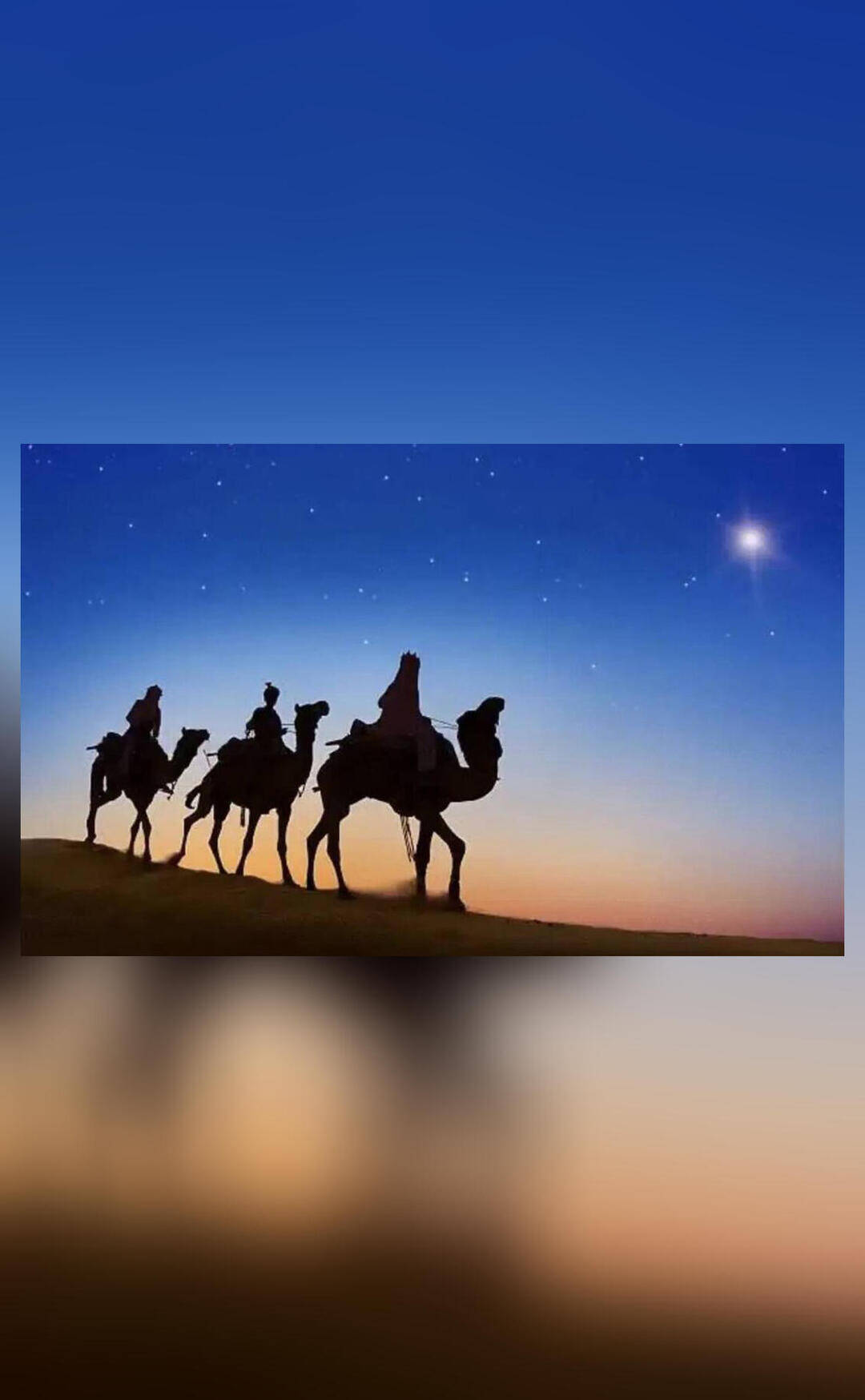
NASA scientist says biblical Star of Bethlehem may have been comet
The Star of Bethlehem, also known as the Christmas Star, has been a topic of fascination and debate for centuries. The biblical account of the Star of Bethlehem is found in the Gospel of Matthew, which describes a bright star that guided the Magi, also known as the Three Wise Men, to the birthplace of Jesus Christ. For years, scientists and historians have attempted to explain the phenomenon, with various theories ranging from a planetary alignment to a supernova. Now, a NASA planetary scientist has revived the debate, suggesting that the Star of Bethlehem may have been a comet recorded by Chinese astronomers in 5 BC.
According to Mark Matney, a NASA planetary scientist, the Star of Bethlehem may have been a comet that was visible for over 70 days. This is significant, as the biblical account describes the star as being visible for a prolonged period. Matney’s theory is based on historical records from Chinese astronomers, who documented a comet in 5 BC that was visible for an extended period. The comet, which was recorded by Chinese astronomers, may have passed extremely close to Earth, making it shine during the daytime.
Matney’s orbital analysis of the comet’s trajectory shows that it may have seemed to move and then “stand still” in the sky, which is consistent with the Gospel description of the Star of Bethlehem. The comet’s close approach to Earth would have made it appear brighter and more dramatic, potentially catching the attention of the Magi and other observers. This theory is not new, as other scientists have previously suggested that the Star of Bethlehem may have been a comet. However, Matney’s research provides new insights and evidence to support this theory.
The idea that the Star of Bethlehem may have been a comet is not without its challenges. One of the main difficulties is that comets are relatively rare and unpredictable, making it difficult to pinpoint a specific comet that may have been visible in the skies over Bethlehem in 5 BC. Additionally, the biblical account of the Star of Bethlehem is often seen as a miraculous event, rather than a natural phenomenon. However, Matney’s research suggests that the Star of Bethlehem may have been a real astronomical event that was recorded by ancient observers.
The debate over the Star of Bethlehem is not just about astronomy; it also has significant implications for our understanding of history and culture. The biblical account of the Star of Bethlehem is an important part of Christian tradition, and the idea that it may have been a real astronomical event adds a new layer of depth and meaning to the story. Additionally, the fact that ancient astronomers were able to record and document the comet’s appearance highlights the sophistication and knowledge of ancient cultures.
Matney’s research is a significant contribution to our understanding of the Star of Bethlehem, and it highlights the importance of interdisciplinary research and collaboration. By combining astronomical data with historical records, Matney has been able to shed new light on a centuries-old mystery. While the debate over the Star of Bethlehem is likely to continue, Matney’s research provides a compelling new theory that is sure to spark further discussion and investigation.
In conclusion, the Star of Bethlehem remains one of the most enduring and fascinating mysteries of the ancient world. While we may never know for certain what the Star of Bethlehem was, Matney’s research provides a compelling new theory that is based on solid astronomical evidence. Whether or not the Star of Bethlehem was a comet, it is clear that the event has had a profound impact on human culture and history. As we continue to explore and understand the universe, we may uncover new clues and insights that shed further light on this ancient mystery.
About the Author