NASA Scientist Says Biblical Star of Bethlehem May Have Been Comet
The Star of Bethlehem, also known as the Christmas Star, has been a topic of fascination and debate among astronomers, historians, and theologians for centuries. The biblical account of the Star of Bethlehem, which guided the Magi to the birthplace of Jesus, has been interpreted in many ways, with some considering it a miraculous event and others seeking a scientific explanation. Recently, a NASA planetary scientist, Mark Matney, has suggested that the biblical Star of Bethlehem may have been a comet recorded by Chinese astronomers in 5 BC.
According to Matney, the comet may have been visible for over 70 days, making it a significant celestial event that could have been noticed by people in the ancient world. What’s more, the comet may have passed extremely close to Earth, which would have made it shine brightly during the daytime, potentially making it visible to the naked eye even in the daytime sky. This theory is supported by Matney’s orbital analysis, which showed that the comet may have seemed to move and then “stand still” in the sky, consistent with the description of the Star of Bethlehem in the Gospel of Matthew.
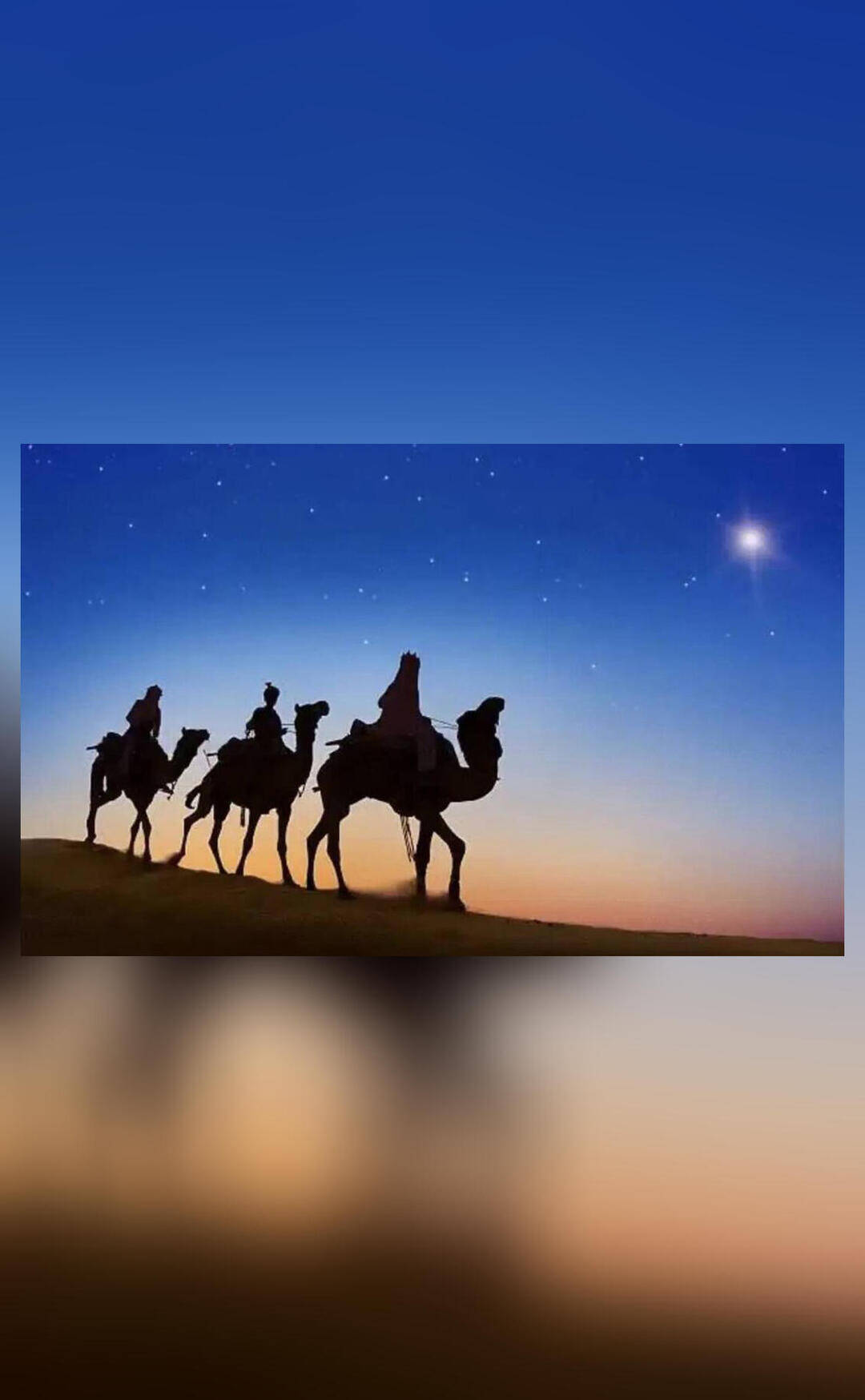
The Gospel of Matthew describes the Star of Bethlehem as a celestial body that guided the Magi, also known as the Three Wise Men, to the birthplace of Jesus. The account states that the star “stood over” the place where Jesus was born, which has been interpreted in many ways over the centuries. Some have suggested that the Star of Bethlehem was a miraculous event, sent by God to guide the Magi to the birthplace of Jesus. Others have proposed that it was a natural celestial event, such as a comet or a planetary alignment, that was interpreted by the Magi as a sign of the birth of a great king.
Matney’s theory is not the first attempt to explain the Star of Bethlehem as a natural celestial event. Over the years, many astronomers have proposed various explanations, including a planetary alignment, a supernova, or a comet. However, Matney’s theory is significant because it is based on a specific historical record of a comet sighting by Chinese astronomers in 5 BC. This record, which was made by Chinese astronomers during the Han dynasty, describes a comet that was visible for over 70 days and was seen in the western sky.
The idea that the Star of Bethlehem may have been a comet is not new, but Matney’s theory provides a new perspective on this possibility. Comets are icy bodies that orbit the Sun, and when they approach the inner solar system, they can become visible to the naked eye. Some comets are known to be bright enough to be seen during the daytime, especially if they pass close to Earth. If the comet that Matney proposes was indeed the Star of Bethlehem, it would have been an impressive sight, visible in the western sky for over 70 days.
Matney’s orbital analysis of the comet’s trajectory suggests that it may have passed within a few million kilometers of Earth, which would have made it shine brightly in the sky. The comet’s close approach to Earth would also have made it appear to move slowly across the sky, which could have been interpreted by the Magi as a sign of its significance. Additionally, the comet’s trajectory would have taken it through the constellation of Capricorn, which was an important constellation in ancient astronomy and was associated with the birth of great kings.
The implications of Matney’s theory are significant, as they provide a possible scientific explanation for the Star of Bethlehem. While the theory does not prove that the Star of Bethlehem was a comet, it does provide a plausible explanation for the biblical account. The theory also highlights the importance of astronomical records from ancient civilizations, which can provide valuable insights into the history of celestial events.
In conclusion, the mystery of the Star of Bethlehem remains one of the most enduring and fascinating topics in the history of astronomy. While Matney’s theory provides a possible scientific explanation for the Star of Bethlehem, it is unlikely to resolve the debate once and for all. The Star of Bethlehem will likely remain a topic of fascination and debate for centuries to come, with scientists and theologians continuing to propose new explanations and interpretations.
Ultimately, the significance of the Star of Bethlehem lies not in its scientific explanation, but in its cultural and historical significance. The Star of Bethlehem has become a symbol of the Christmas story, representing the hope and guidance that the birth of Jesus brought to the world. Whether or not the Star of Bethlehem was a comet or a miraculous event, its significance remains unchanged, and it continues to inspire and guide people around the world.
About the Author