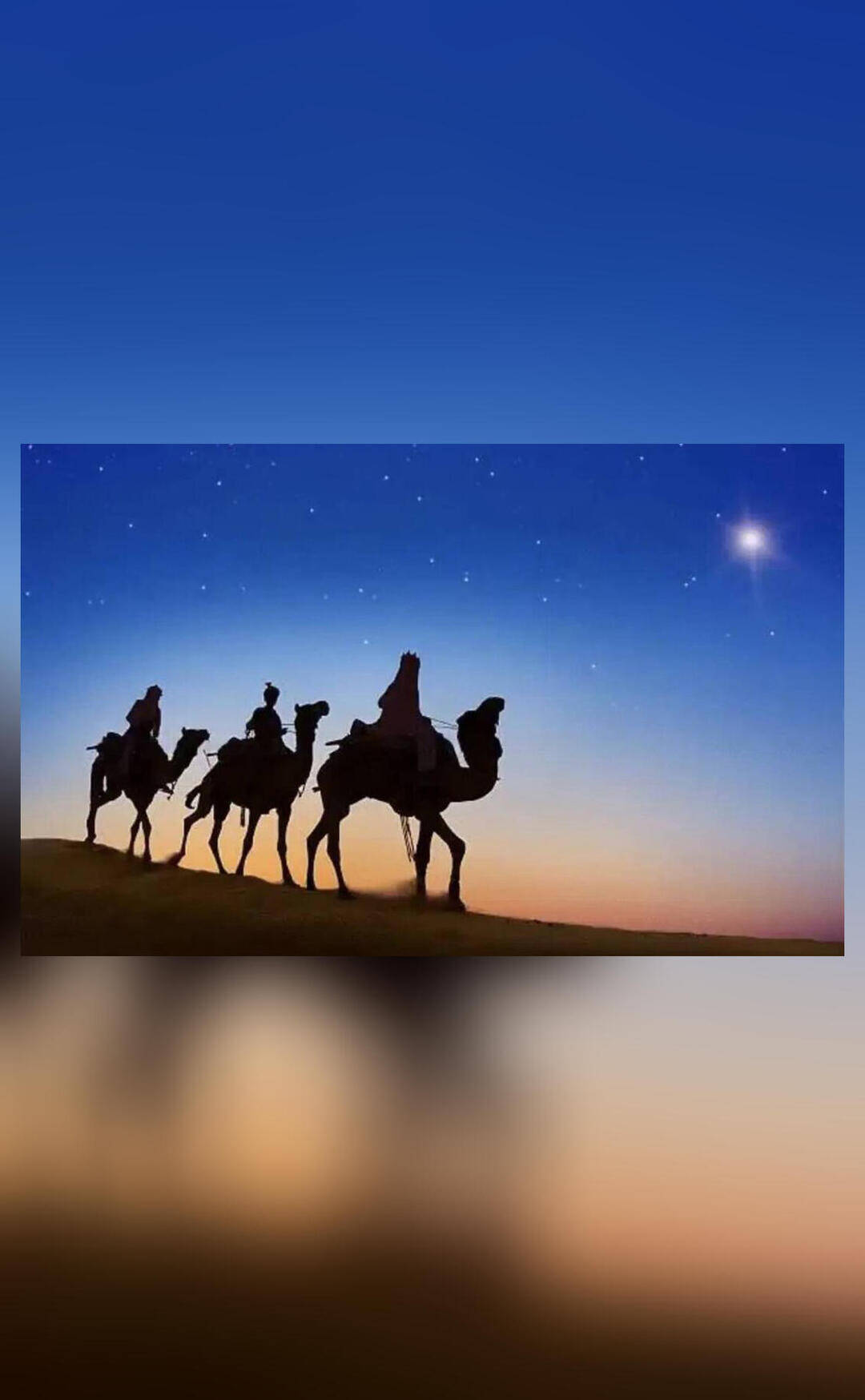
NASA scientist says biblical Star of Bethlehem may have been comet
The Star of Bethlehem, also known as the Christmas Star, has been a topic of fascination and debate among astronomers, historians, and theologians for centuries. The biblical account of the Star of Bethlehem is found in the Gospel of Matthew, which describes a bright star that appeared in the sky, guiding the Magi, also known as the Three Wise Men, to the birthplace of Jesus Christ. For many years, scientists and scholars have attempted to explain the nature of this star, with various theories ranging from a planetary alignment to a supernova. However, a recent suggestion by NASA planetary scientist Mark Matney has reignited the debate, proposing that the biblical Star of Bethlehem may have been a comet recorded by Chinese astronomers in 5 BC.
According to Matney, the comet may have been visible for over 70 days, which is a significant amount of time for a celestial object to be observable in the sky. This duration would have made it possible for the Magi to follow the star and reach Bethlehem, as described in the biblical account. Moreover, Matney’s research suggests that the comet may have passed extremely close to Earth, making it shine brightly during the daytime. This would have been a remarkable sight, as comets are typically only visible at night when they are near the horizon.
Matney’s theory is based on his orbital analysis of the comet, which showed that it may have seemed to move and then “stand still” in the sky, as described in the Gospel account. This phenomenon is known as a “stationary point,” where the comet appears to be motionless in the sky due to its proximity to Earth and its orbital trajectory. This stationary point would have been a significant event, as it would have allowed the Magi to observe the comet for an extended period, guiding them to the birthplace of Jesus Christ.
The idea that the Star of Bethlehem was a comet is not new, but Matney’s research provides new insights into the possibility. Chinese astronomers recorded a comet in 5 BC, which was visible for over 70 days. This comet was likely a long-period comet, which originates from the outer reaches of the solar system and passes close to the Sun, making it visible from Earth. Long-period comets are known for their bright tails and can be visible for several weeks or even months.
Matney’s theory has sparked a renewed debate among scientists and scholars, with some hailing it as a possible solution to the mystery of the Star of Bethlehem. However, others have raised questions about the accuracy of the biblical account and the reliability of ancient astronomical records. Some have also pointed out that the comet theory does not necessarily prove the biblical account, but rather provides a possible explanation for the phenomenon described in the Gospel.
Despite the ongoing debate, Matney’s research has shed new light on the possibility that the Star of Bethlehem was a comet. The idea that a comet could have been visible for over 70 days, passing close to Earth and shining brightly during the daytime, is a fascinating one. It highlights the complexity and beauty of celestial mechanics, where the orbits of comets and planets can create remarkable events in the sky.
The search for an explanation for the Star of Bethlehem is a testament to human curiosity and the desire to understand the workings of the universe. While the debate may continue, Matney’s research has provided a new and intriguing perspective on the mystery of the Star of Bethlehem. As scientists and scholars continue to explore the possibilities, we are reminded of the awe-inspiring beauty of the night sky and the many secrets that still remain to be uncovered.
In conclusion, the suggestion by NASA planetary scientist Mark Matney that the biblical Star of Bethlehem may have been a comet recorded by Chinese astronomers in 5 BC has reignited the debate about the nature of this celestial event. While the theory is not definitive proof, it provides a possible explanation for the phenomenon described in the Gospel account. As we continue to explore the mysteries of the universe, we are reminded of the importance of interdisciplinary research and the value of considering multiple perspectives. The search for an explanation for the Star of Bethlehem is a fascinating example of how science, history, and theology can intersect, inspiring new discoveries and a deeper understanding of the world around us.
About the Author