NASA Scientist Says Biblical Star of Bethlehem May Have Been Comet
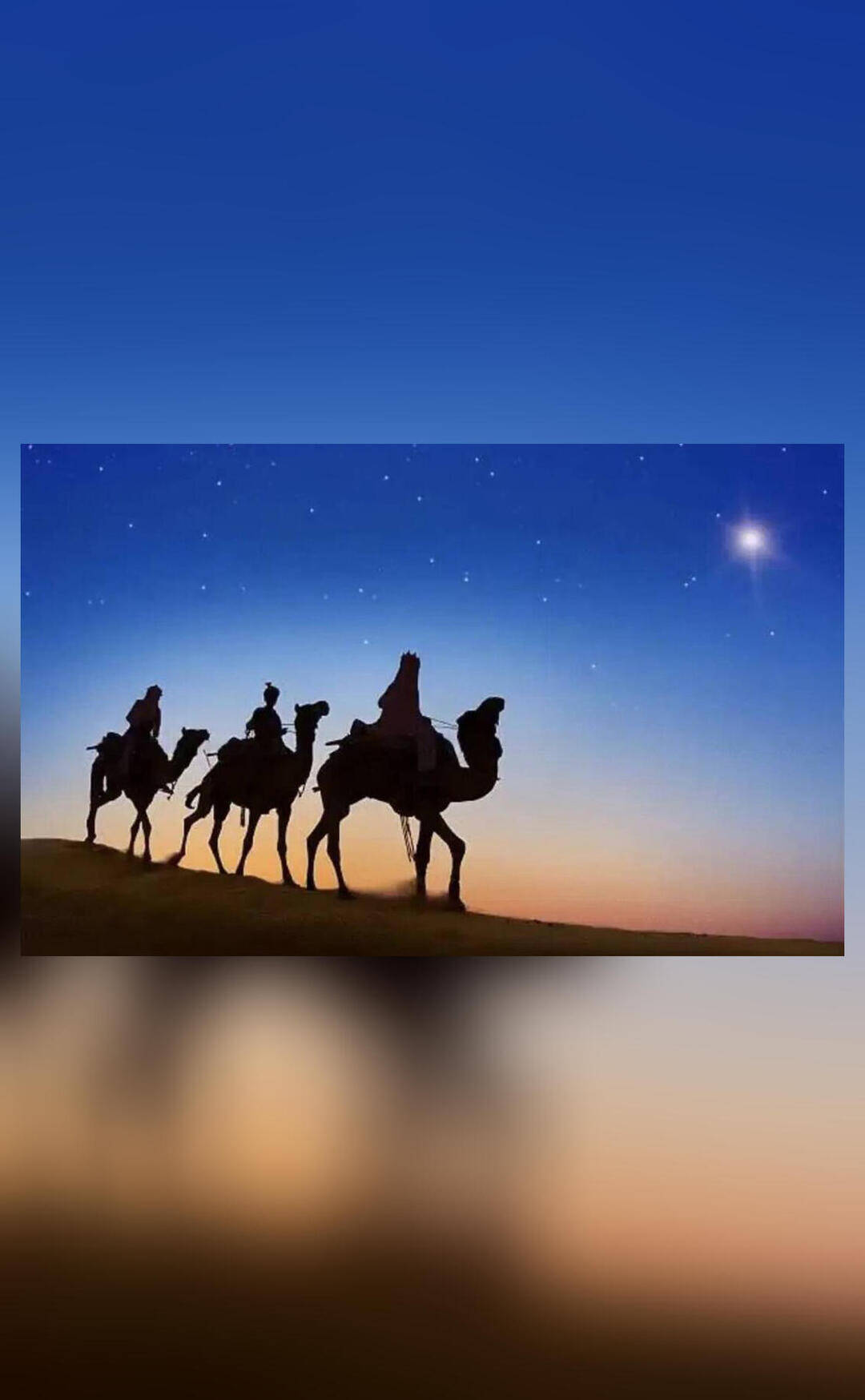
The Star of Bethlehem, also known as the Christmas Star, has been a topic of fascination and debate among astronomers, historians, and theologians for centuries. The biblical account of the Star of Bethlehem is found in the Gospel of Matthew, which describes a bright star that appeared in the sky, guiding the Magi, also known as the Three Wise Men, to the birthplace of Jesus Christ. For years, scholars have tried to identify the Star of Bethlehem, with various theories ranging from a planetary alignment to a supernova. Now, a NASA planetary scientist, Mark Matney, has suggested that the biblical Star of Bethlehem may have been a comet recorded by Chinese astronomers in 5 BC.
According to Matney, the comet may have passed extremely close to Earth, making it shine during the daytime. This would have been a rare and remarkable sight, as comets are typically only visible at night. The comet’s close proximity to Earth would have also made it appear to move and then “stand still” in the sky, which is consistent with the description of the Star of Bethlehem in the Gospel of Matthew. Matney’s orbital analysis of the comet’s path suggests that it may have been visible for over 70 days, which would have given the Magi ample time to follow it to the birthplace of Jesus.
The idea that the Star of Bethlehem was a comet is not new, but Matney’s research provides new insights into the possibility. Comets are icy bodies that orbit the Sun, and when they approach the inner solar system, they can become visible in the sky. Some comets are known to have been recorded by ancient astronomers, including the Chinese, who kept detailed records of celestial events. The Chinese astronomers’ records from 5 BC describe a comet that was visible for over 70 days, which is consistent with Matney’s orbital analysis.
Matney’s theory is based on the idea that the comet’s close approach to Earth would have made it appear as a bright, stationary object in the sky. The comet’s tail would have been visible for an extended period, making it a striking sight in the sky. The fact that the comet was visible for over 70 days would have given the Magi ample time to follow it to the birthplace of Jesus, which is consistent with the biblical account.
The Star of Bethlehem has been the subject of much debate and speculation over the years, with various theories attempting to explain its identity. Some have suggested that it was a planetary alignment, while others have proposed that it was a supernova or a meteor. However, Matney’s theory provides a plausible explanation for the Star of Bethlehem, one that is based on astronomical data and historical records.
Matney’s research has revived the debate about the identity of the Star of Bethlehem, and it has sparked a new wave of interest in the topic. While the exact identity of the Star of Bethlehem may never be known for certain, Matney’s theory provides a compelling explanation for this ancient mystery. The idea that the Star of Bethlehem was a comet that passed close to Earth is a fascinating one, and it highlights the importance of astronomical events in human history.
In conclusion, the Star of Bethlehem remains one of the most enduring and fascinating mysteries of the ancient world. While we may never know for certain what the Star of Bethlehem was, Matney’s theory provides a plausible explanation for this ancient phenomenon. The idea that the Star of Bethlehem was a comet that passed close to Earth is a compelling one, and it highlights the importance of astronomical events in human history. As we continue to explore the universe and uncover its secrets, we may yet uncover more evidence about the Star of Bethlehem and its place in human history.
About the Author