NASA Scientist Says Biblical Star of Bethlehem May Have Been Comet
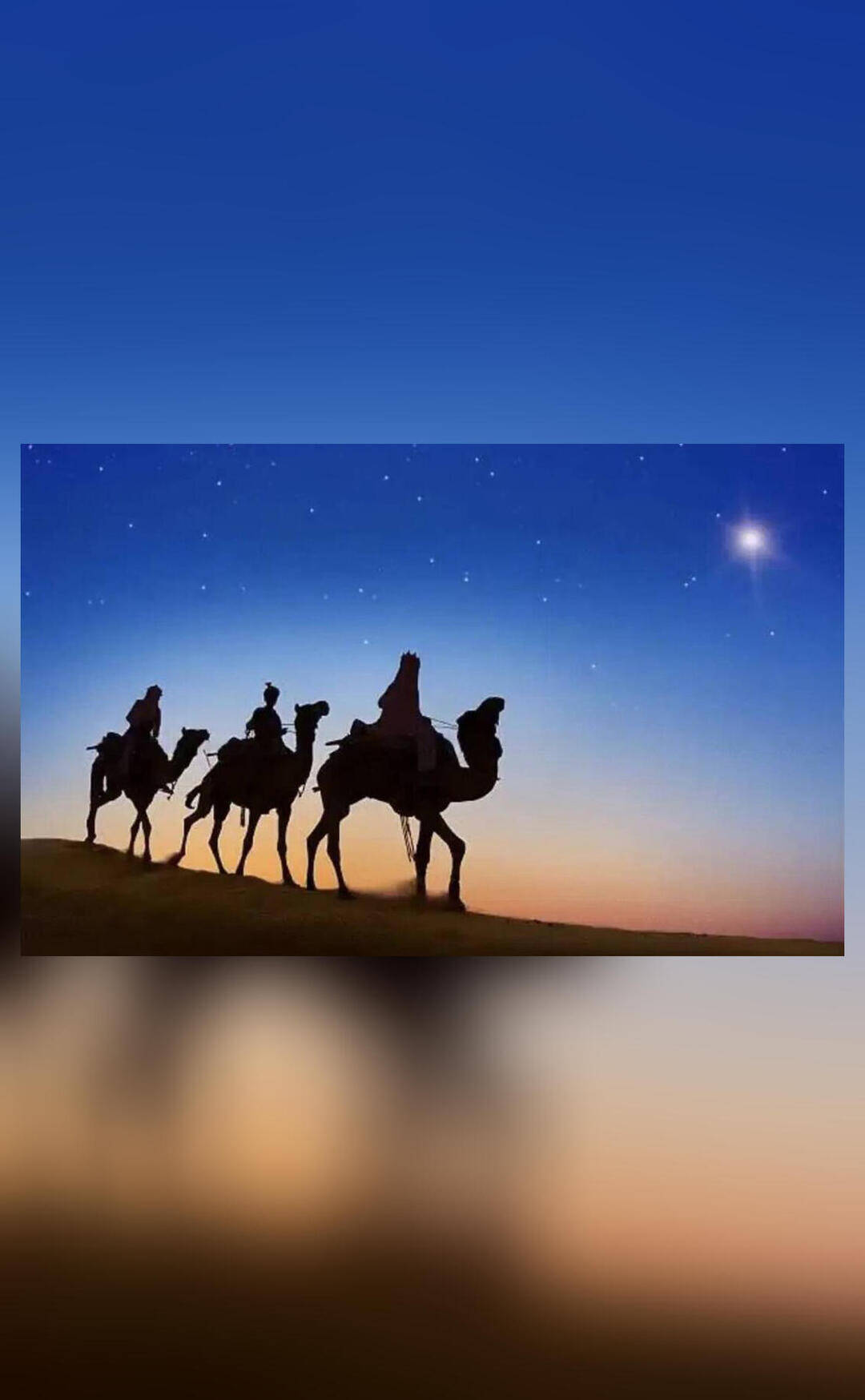
The Star of Bethlehem, also known as the Christmas Star, has been a topic of debate and speculation for centuries. The biblical account of the Star of Bethlehem is found in the Gospel of Matthew, which describes a celestial event that guided the Magi, also known as the Three Wise Men, to the birthplace of Jesus Christ. While the exact nature of the Star of Bethlehem has been the subject of much speculation, a NASA planetary scientist has proposed a new theory that suggests it may have been a comet that was recorded by Chinese astronomers in 5 BC.
According to Mark Matney, a NASA planetary scientist, the biblical Star of Bethlehem may have been a comet that was visible for over 70 days. This comet may have passed extremely close to Earth, making it shine during the daytime. Matney’s orbital analysis showed that the comet may have seemed to move and then “stand still,” which is consistent with the description of the Star of Bethlehem in the Gospel of Matthew.
The idea that the Star of Bethlehem was a comet is not a new one. However, Matney’s theory is significant because it provides a possible explanation for the unusual behavior of the star, which is described in the Gospel as moving and then standing still. Matney’s analysis suggests that the comet may have been a long-period comet, which is a type of comet that takes more than 200 years to complete one orbit around the Sun.
The Chinese records of the comet are significant because they provide independent confirmation of the existence of the comet. The Chinese astronomers recorded the comet as a “broom star” that was visible for over 70 days. The fact that the comet was visible for such a long period of time suggests that it may have been a large and bright comet, which would have been visible during the daytime.
Matney’s theory is also significant because it provides a possible explanation for the cultural and historical significance of the Star of Bethlehem. The Star of Bethlehem has been a powerful symbol of Christianity for centuries, and its appearance has been seen as a sign of the birth of Jesus Christ. If Matney’s theory is correct, it would suggest that the Star of Bethlehem was not just a random celestial event, but a significant astronomical phenomenon that was recorded by ancient astronomers.
The debate over the nature of the Star of Bethlehem has been ongoing for centuries, with various theories being proposed over the years. Some have suggested that the Star of Bethlehem was a supernova, while others have proposed that it was a planetary alignment. However, Matney’s theory is significant because it provides a possible explanation for the unusual behavior of the star, which is described in the Gospel as moving and then standing still.
In addition to providing a possible explanation for the Star of Bethlehem, Matney’s theory also highlights the importance of astronomical records from ancient civilizations. The Chinese records of the comet are significant because they provide independent confirmation of the existence of the comet. This highlights the importance of preserving and studying ancient astronomical records, which can provide valuable insights into the history of astronomy and the cultural significance of celestial events.
In conclusion, the theory proposed by Mark Matney, a NASA planetary scientist, suggests that the biblical Star of Bethlehem may have been a comet that was recorded by Chinese astronomers in 5 BC. The comet may have passed extremely close to Earth, making it shine during the daytime, and its orbital analysis showed that it may have seemed to move and then “stand still,” as in the Gospel description. This theory provides a possible explanation for the unusual behavior of the star and highlights the importance of astronomical records from ancient civilizations.
The study of the Star of Bethlehem is a fascinating example of how astronomy and history can intersect. The search for an explanation of the Star of Bethlehem has been ongoing for centuries, and it continues to be a topic of debate and speculation. While Matney’s theory is significant, it is not the final word on the subject, and further research and analysis are needed to fully understand the nature of the Star of Bethlehem.
As we continue to explore the mysteries of the universe, it is exciting to think that we may be able to uncover new insights into the history of astronomy and the cultural significance of celestial events. The study of the Star of Bethlehem is a reminder of the importance of preserving and studying ancient astronomical records, which can provide valuable insights into the history of astronomy and the cultural significance of celestial events.
About the Author