NASA Scientist Says Biblical Star of Bethlehem May Have Been Comet
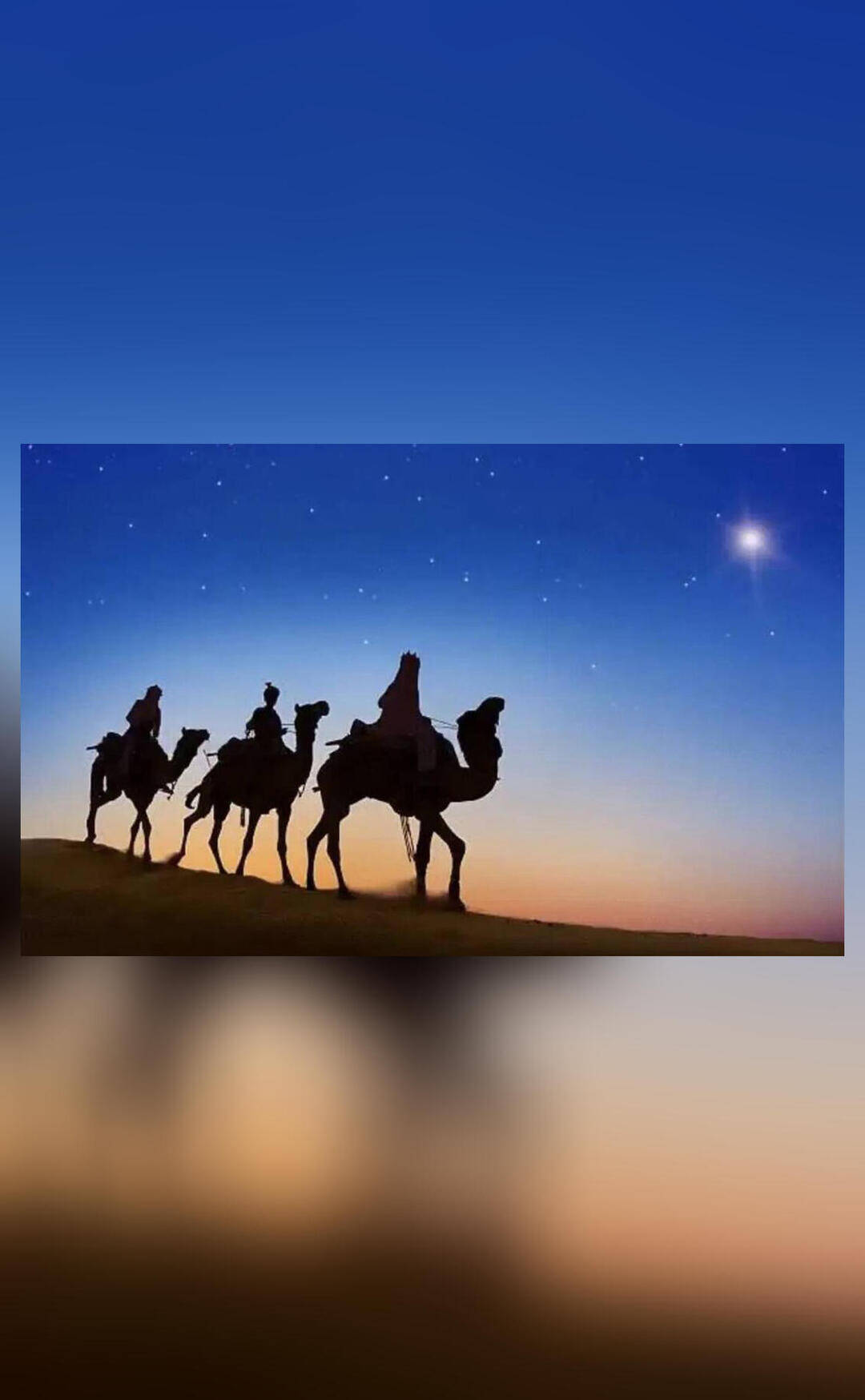
The Star of Bethlehem, also known as the Christmas Star, has been a topic of fascination and debate among astronomers, historians, and theologians for centuries. The biblical account of the Star of Bethlehem is found in the Gospel of Matthew, which describes a celestial event that guided the Magi, also known as the Three Wise Men, to the birthplace of Jesus Christ. While the exact nature of the Star of Bethlehem has been the subject of much speculation, a NASA planetary scientist has recently suggested that it may have been a comet recorded by Chinese astronomers in 5 BC.
Mark Matney, a planetary scientist at NASA, has proposed that the Star of Bethlehem may have been a comet that was visible for over 70 days, making it a significant and unusual celestial event. According to Matney’s theory, the comet may have passed extremely close to Earth, which would have made it shine brightly during the daytime. This would have been a remarkable sight, and it’s possible that the comet’s proximity to Earth could have made it appear to move and then “stand still” in the sky, as described in the Gospel account.
Matney’s orbital analysis of the comet’s trajectory suggests that it may have been visible in the western sky, which would have been consistent with the biblical account of the Magi following the star from the east. The comet’s close approach to Earth would also have made it appear much brighter than usual, which could have been interpreted by ancient astronomers as a significant omen or sign.
The idea that the Star of Bethlehem may have been a comet is not a new one, but Matney’s theory is significant because it provides a possible explanation for the star’s unusual behavior. Comets are known to be unpredictable and can exhibit unexpected behavior, which could have been misinterpreted by ancient observers as a miraculous event. Additionally, the fact that the comet was visible for over 70 days would have made it a significant and memorable event, which could have been recorded by ancient astronomers and later incorporated into the biblical account.
It’s worth noting that the biblical account of the Star of Bethlehem is not just a simple description of a celestial event, but also a theological and symbolic one. The star is often seen as a symbol of hope, guidance, and redemption, and its appearance is closely tied to the birth and ministry of Jesus Christ. While Matney’s theory may provide a possible explanation for the star’s physical nature, it does not diminish the spiritual significance of the event.
The search for a scientific explanation for the Star of Bethlehem is not just a matter of curiosity, but also a way of understanding the cultural and historical context of the biblical account. By studying the celestial events of the past, scientists can gain insights into the ways in which ancient cultures perceived and interpreted the natural world. This, in turn, can help us better understand the historical and cultural context of the biblical account, and appreciate the ways in which science and faith can intersect and inform each other.
In conclusion, the mystery of the Star of Bethlehem may have been solved, at least in part, by NASA scientist Mark Matney’s theory that it may have been a comet recorded by Chinese astronomers in 5 BC. While this theory provides a possible explanation for the star’s physical nature, it does not diminish the spiritual significance of the event, and reminds us of the complex and multifaceted nature of human experience.
The debate over the nature of the Star of Bethlehem is likely to continue, with some arguing that it was a miraculous event that cannot be explained by natural causes, while others will continue to search for a scientific explanation. Ultimately, the search for a scientific explanation for the Star of Bethlehem is a reminder of the complex and multifaceted nature of human experience, and the ways in which science and faith can intersect and inform each other.
About the Author