NASA Scientist Says Biblical Star of Bethlehem May Have Been Comet
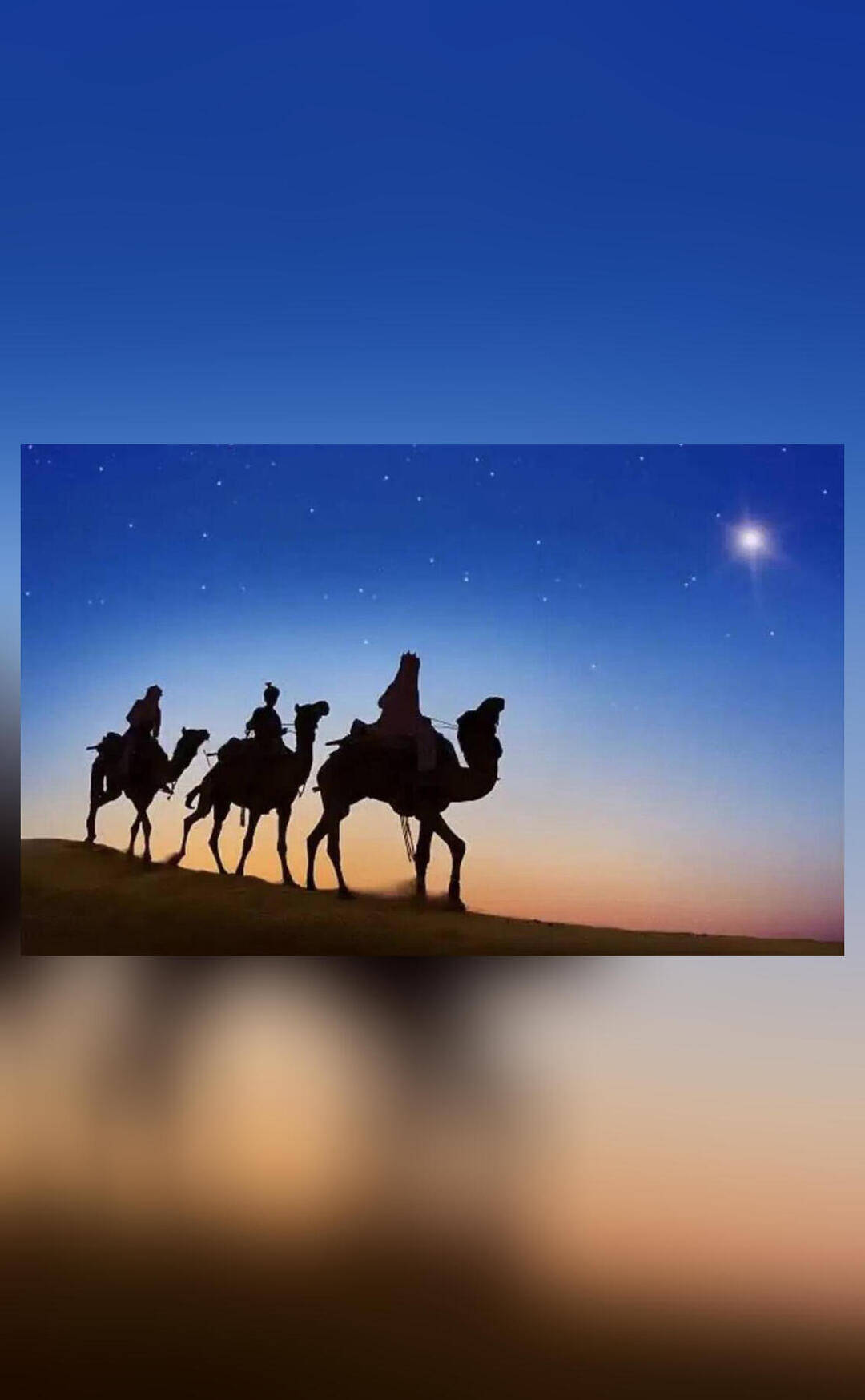
The Star of Bethlehem, also known as the Christmas Star, has been a topic of fascination and debate among astronomers, historians, and biblical scholars for centuries. The biblical account of the Star of Bethlehem is found in the Gospel of Matthew, which describes a bright star that guided the Magi, also known as the Three Wise Men, to the birthplace of Jesus Christ. For years, scholars have attempted to identify the celestial event that may have inspired this biblical account, with various theories proposing that it could have been a comet, meteor, or even a planetary alignment. Now, a NASA planetary scientist has weighed in on the debate, suggesting that the Star of Bethlehem may have been a comet that was recorded by Chinese astronomers in 5 BC.
According to Mark Matney, a NASA planetary scientist, the biblical Star of Bethlehem may have been a comet that was visible for over 70 days, making it a significant and unusual celestial event. Matney’s theory is based on his analysis of historical records from Chinese astronomers, who documented a comet that appeared in the sky in 5 BC. This comet, which was said to have been visible for over 70 days, may have been the same celestial event that was described in the biblical account of the Star of Bethlehem.
One of the most intriguing aspects of Matney’s theory is that the comet may have passed extremely close to Earth, making it shine brightly enough to be visible during the daytime. This would have made the comet an extraordinary and awe-inspiring sight, one that would have been remembered and recorded by ancient astronomers. Matney’s orbital analysis of the comet’s trajectory suggests that it may have seemed to move and then “stand still” in the sky, which is consistent with the Gospel description of the Star of Bethlehem.
The idea that the Star of Bethlehem may have been a comet is not a new one, but Matney’s theory provides a fresh perspective on the debate. Previous theories have proposed that the Star of Bethlehem could have been a planetary alignment, a meteor, or even a supernova. However, Matney’s analysis of the historical records and his orbital analysis of the comet’s trajectory make a compelling case for the comet theory.
The biblical account of the Star of Bethlehem is found in the Gospel of Matthew, which describes a bright star that appeared in the sky and guided the Magi to the birthplace of Jesus Christ. The account reads: “Now when Jesus was born in Bethlehem of Judaea in the days of Herod the king, behold, there came wise men from the east to Jerusalem, saying, Where is he that is born King of the Jews? for we have seen his star in the east, and are come to worship him.” (Matthew 2:1-2)
The Magi, who were likely astronomers or astrologers, followed the star to Jerusalem and then to Bethlehem, where they found the baby Jesus. The biblical account does not provide much detail about the star itself, but it is clear that it was a significant and unusual celestial event that was seen by the Magi and guided them on their journey.
The search for the Star of Bethlehem has been a longstanding quest among astronomers and biblical scholars. Over the years, various theories have been proposed, but none have been proven conclusively. The comet theory, which was first proposed in the 18th century, has been one of the most popular explanations for the Star of Bethlehem. However, it was not until Matney’s analysis of the historical records and his orbital analysis of the comet’s trajectory that the theory gained significant traction.
Matney’s theory is based on his analysis of historical records from Chinese astronomers, who documented a comet that appeared in the sky in 5 BC. The comet was said to have been visible for over 70 days, which would have made it a significant and unusual celestial event. Matney’s orbital analysis of the comet’s trajectory suggests that it may have passed extremely close to Earth, making it shine brightly enough to be visible during the daytime.
The implications of Matney’s theory are significant, as they provide a possible explanation for one of the most enduring and fascinating mysteries of the biblical account. The Star of Bethlehem has been a topic of fascination and debate for centuries, and Matney’s theory provides a fresh perspective on the debate. While the theory is not conclusive, it is a compelling explanation for the biblical account, and one that is supported by historical records and astronomical analysis.
In conclusion, the mystery of the Star of Bethlehem may have been solved, thanks to the work of NASA planetary scientist Mark Matney. Matney’s theory, which suggests that the Star of Bethlehem may have been a comet recorded by Chinese astronomers in 5 BC, provides a compelling explanation for the biblical account. The comet, which was visible for over 70 days, may have passed extremely close to Earth, making it shine brightly enough to be visible during the daytime. Matney’s orbital analysis of the comet’s trajectory suggests that it may have seemed to move and then “stand still” in the sky, which is consistent with the Gospel description of the Star of Bethlehem.
As we continue to explore the mysteries of the universe, we are reminded of the awe-inspiring beauty and complexity of the celestial world. The Star of Bethlehem, which has been a topic of fascination and debate for centuries, is a powerful reminder of the significance of astronomical events in human culture and history. Whether or not Matney’s theory is proven conclusively, it is a testament to the enduring fascination of the Star of Bethlehem, and the ongoing quest for knowledge and understanding that drives human exploration and discovery.
About the Author