NASA Scientist Says Biblical Star of Bethlehem May Have Been Comet
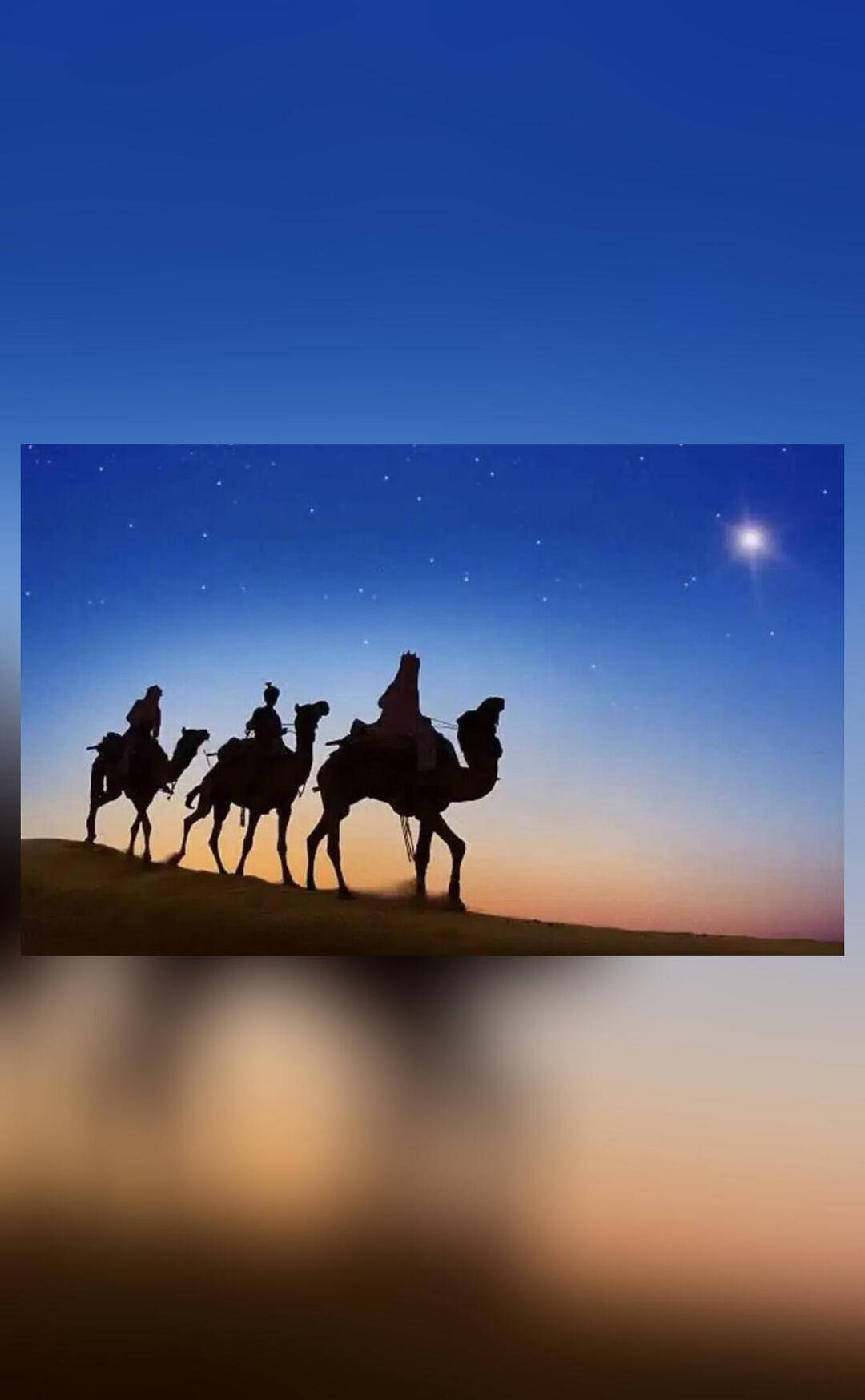
The Star of Bethlehem, also known as the Christmas Star, has been a topic of fascination and debate among astronomers, historians, and theologians for centuries. According to the Gospel of Matthew, the Star of Bethlehem was a celestial event that guided the Magi, also known as the Three Wise Men, to the birthplace of Jesus Christ. While the exact nature of the Star of Bethlehem has been the subject of much speculation, a NASA planetary scientist has now suggested that it may have been a comet recorded by Chinese astronomers in 5 BC.
Mark Matney, a planetary scientist at NASA, has proposed that the biblical Star of Bethlehem may have been a comet that was visible for over 70 days. This comet, which was recorded by Chinese astronomers in 5 BC, may have passed extremely close to Earth, making it shine during the daytime. Matney’s orbital analysis of the comet’s path has shown that it may have seemed to move and then “stand still” in the sky, which is consistent with the description of the Star of Bethlehem in the Gospel of Matthew.
The idea that the Star of Bethlehem may have been a comet is not new, but Matney’s research has shed new light on the possibility. Comets are known to be highly unpredictable and can appear in the sky without warning, making them a plausible explanation for the Star of Bethlehem. Additionally, the fact that the comet was recorded by Chinese astronomers in 5 BC provides a historical record of the event, which is consistent with the biblical account.
Matney’s research has also suggested that the comet may have been a “sungrazer” comet, which is a type of comet that passes extremely close to the Sun. Sungrazer comets are known to be highly active and can produce bright tails of gas and dust, which can be visible in the sky for extended periods of time. If the Star of Bethlehem was indeed a sungrazer comet, it would have been an impressive sight in the sky, and its proximity to Earth would have made it shine brightly during the daytime.
The biblical account of the Star of Bethlehem describes it as a star that appeared in the sky and guided the Magi to the birthplace of Jesus Christ. The Gospel of Matthew states that the star “stood over” the place where Jesus was born, which has been interpreted by some as a reference to a celestial event that occurred in the sky. While the exact nature of the Star of Bethlehem is still a topic of debate, Matney’s research has provided a plausible explanation for the event.
The debate over the nature of the Star of Bethlehem has been ongoing for centuries, with various theories being proposed over the years. Some have suggested that the Star of Bethlehem may have been a planetary alignment, while others have proposed that it may have been a supernova or a meteor shower. However, Matney’s research has provided a new perspective on the event, and his suggestion that the Star of Bethlehem may have been a comet is a compelling one.
In conclusion, the mystery of the Star of Bethlehem may have been solved by NASA planetary scientist Mark Matney, who has suggested that it may have been a comet recorded by Chinese astronomers in 5 BC. Matney’s orbital analysis of the comet’s path has shown that it may have seemed to move and then “stand still” in the sky, which is consistent with the description of the Star of Bethlehem in the Gospel of Matthew. While the exact nature of the Star of Bethlehem is still a topic of debate, Matney’s research has provided a plausible explanation for the event, and has shed new light on the possibility that the Star of Bethlehem may have been a comet.
The study of the Star of Bethlehem is a fascinating example of how science and theology can intersect, and how the study of celestial events can provide insights into historical and biblical accounts. As we continue to explore the universe and learn more about the celestial events that have shaped human history, we may uncover more secrets about the Star of Bethlehem and its significance in the biblical account.
In the meantime, the debate over the nature of the Star of Bethlehem will continue, with scientists and theologians alike offering their perspectives on the event. However, one thing is certain: the Star of Bethlehem remains one of the most fascinating and intriguing celestial events in human history, and its study will continue to captivate scientists and the general public alike for years to come.
About the Author