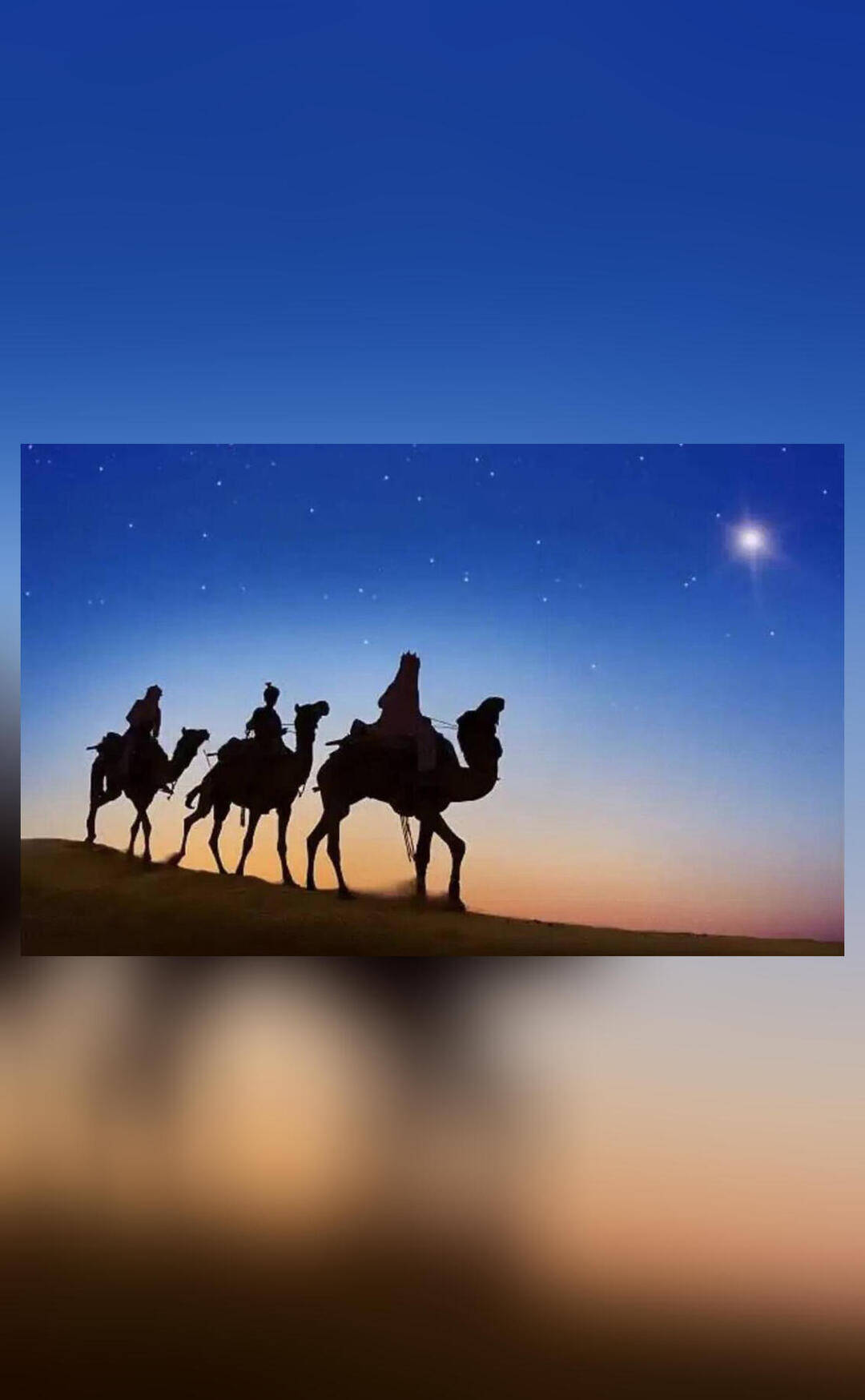
NASA Scientist Says Biblical Star of Bethlehem May Have Been Comet
The Star of Bethlehem, also known as the Christmas Star, has been a topic of fascination and debate among astronomers, historians, and theologians for centuries. The biblical account of the Star of Bethlehem is found in the Gospel of Matthew, which describes a celestial event that guided the Magi, also known as the Three Wise Men, to the birthplace of Jesus Christ. While the exact nature of the Star of Bethlehem has been the subject of much speculation, a recent theory proposed by NASA planetary scientist Mark Matney suggests that it may have been a comet recorded by Chinese astronomers in 5 BC.
According to Matney, the comet may have been visible for over 70 days, which is an unusually long period of time for a comet to be visible in the sky. This prolonged visibility could have made the comet appear as a steady, shining star, rather than a fleeting celestial event. Furthermore, Matney’s orbital analysis suggests that the comet may have passed extremely close to Earth, which would have made it shine brightly enough to be visible during the daytime.
One of the most intriguing aspects of Matney’s theory is that the comet’s orbital path may have caused it to appear as if it was moving and then “standing still” in the sky. This phenomenon is consistent with the biblical description of the Star of Bethlehem, which is said to have “stood over” the place where Jesus was born. This unusual behavior could have been perceived by ancient observers as a sign or omen, which would have been consistent with the cultural and astronomical knowledge of the time.
The idea that the Star of Bethlehem may have been a comet is not a new one. In fact, several astronomers and historians have proposed similar theories over the years. However, Matney’s theory is unique in that it is based on a specific historical record of a comet sighting by Chinese astronomers in 5 BC. This record, which is found in ancient Chinese astronomical texts, describes a comet that was visible for over 70 days and was seen in the western sky.
Matney’s theory is also supported by computer simulations, which show that the comet’s orbital path would have taken it close to the Earth and made it visible in the western sky. These simulations also suggest that the comet would have appeared as a bright, shining star, rather than a faint, streaking comet.
While Matney’s theory is intriguing, it is not without its challenges and controversies. Some astronomers and historians have questioned the accuracy of the Chinese astronomical records, as well as the reliability of the biblical account of the Star of Bethlehem. Others have suggested that the Star of Bethlehem may have been a planetary alignment or a supernova, rather than a comet.
Despite these challenges and controversies, Matney’s theory has sparked a renewed debate about the nature of the Star of Bethlehem and its significance in history. Whether or not the Star of Bethlehem was actually a comet, the story of the Magi and their journey to the birthplace of Jesus remains a powerful and enduring symbol of hope, faith, and redemption.
In conclusion, the mystery of the Star of Bethlehem remains a fascinating and complex topic that continues to inspire scientific inquiry and theological reflection. While Matney’s theory is just one of many attempts to explain the nature of the Star of Bethlehem, it is a compelling and well-researched proposal that is based on historical records and astronomical data. As we continue to explore the wonders of the universe and the mysteries of the past, we may yet uncover new insights and discoveries that shed light on this ancient and enduring enigma.
About the Author