NASA scientist says biblical Star of Bethlehem may have been comet
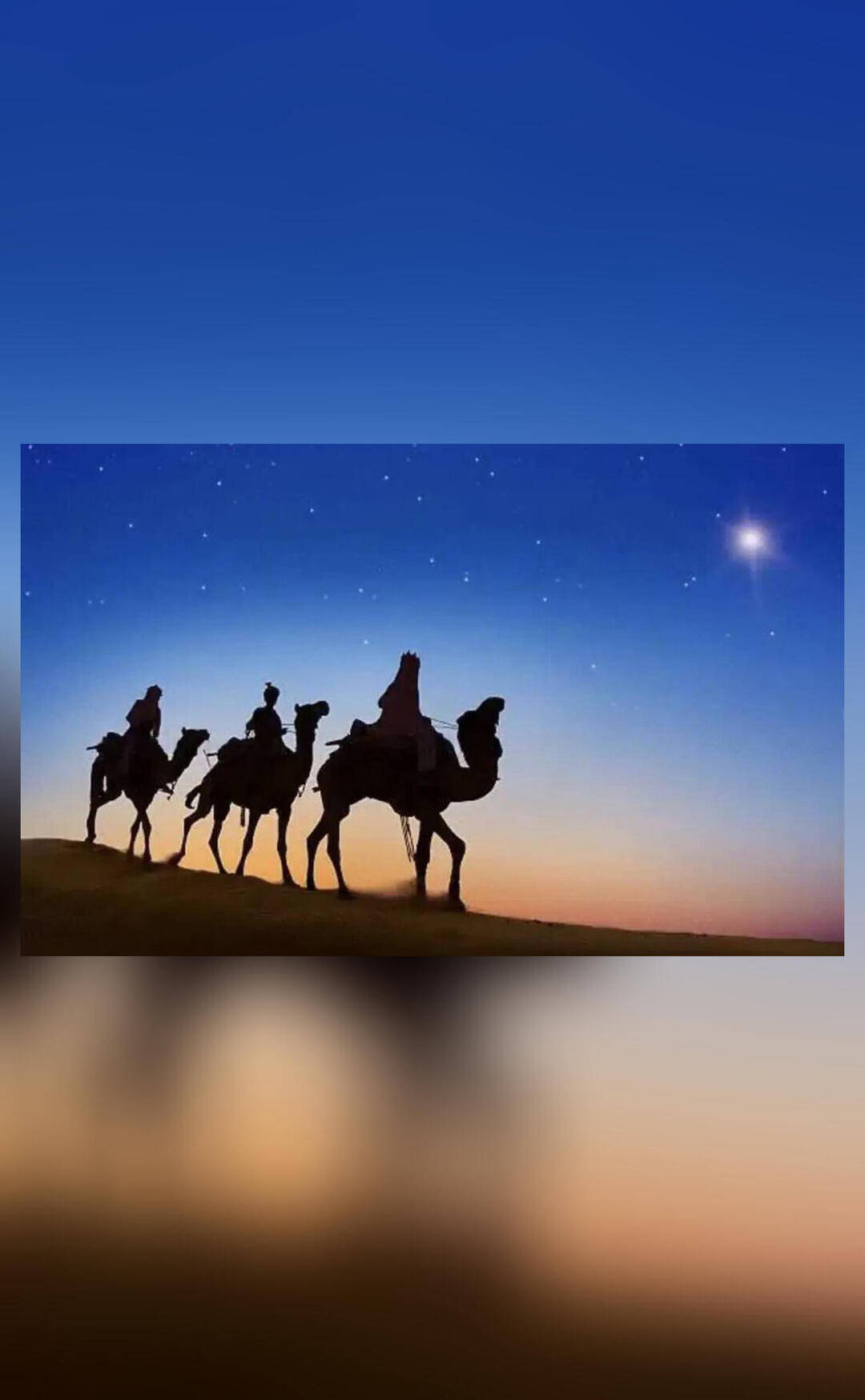
For centuries, the biblical story of the Star of Bethlehem has fascinated people around the world. The account of a bright star that guided the Magi, also known as the Three Wise Men, to the birthplace of Jesus Christ has been a topic of debate among scholars, astronomers, and theologians. While some have speculated that the star was a supernatural phenomenon, others have proposed various natural explanations, including a comet, a meteor, or a planetary alignment. Recently, NASA planetary scientist Mark Matney has revived the debate by suggesting that the Star of Bethlehem may have been a comet that was recorded by Chinese astronomers in 5 BC.
According to Matney, the comet may have passed extremely close to Earth, making it shine brightly during the daytime. This would have been a rare and remarkable event, as comets are typically only visible at night. Matney’s orbital analysis of the comet’s trajectory suggests that it may have seemed to move and then “stand still” in the sky, which is consistent with the description of the Star of Bethlehem in the Gospel of Matthew.
The Gospel account describes the star as moving ahead of the Magi, stopping over the place where Jesus was born, and then standing still. This description has been interpreted in various ways over the years, with some seeing it as a miraculous event and others as a natural phenomenon. Matney’s theory provides a possible natural explanation for the star’s behavior, which could have been perceived as miraculous by the people of the time.
The comet that Matney believes may have been the Star of Bethlehem was recorded by Chinese astronomers in 5 BC, who noted that it was visible for over 70 days. This is a significant observation, as comets are typically only visible for a few days or weeks. The fact that this comet was visible for such a long period suggests that it may have been a particularly bright and notable event.
Matney’s theory is not without its challenges, however. Some scholars have questioned the accuracy of the Chinese astronomical records, which were made over 2,000 years ago. Others have pointed out that the comet’s trajectory may not have been precisely calculated, which could affect the accuracy of Matney’s orbital analysis.
Despite these challenges, Matney’s theory is an intriguing one that sheds new light on the mystery of the Star of Bethlehem. The idea that a comet may have been the inspiration for the biblical account is a compelling one, and it highlights the complex and often surprising ways in which astronomy and theology have intersected throughout history.
The story of the Star of Bethlehem is a reminder that the boundaries between science and faith are not always clear-cut. While some people may see the star as a miraculous event, others may view it as a natural phenomenon that can be explained by science. Ultimately, the truth about the Star of Bethlehem may lie somewhere in between, and it is up to each individual to interpret the evidence and draw their own conclusions.
In conclusion, NASA scientist Mark Matney’s theory that the biblical Star of Bethlehem may have been a comet is a fascinating one that revives the debate about the nature of this enigmatic event. While there are challenges to the theory, it provides a possible natural explanation for the star’s behavior and highlights the complex and often surprising ways in which astronomy and theology have intersected throughout history. As we continue to explore the mysteries of the universe, we may yet uncover more secrets about the Star of Bethlehem and its place in the story of human history.
About the Author