NASA Scientist Says Biblical Star of Bethlehem May Have Been Comet
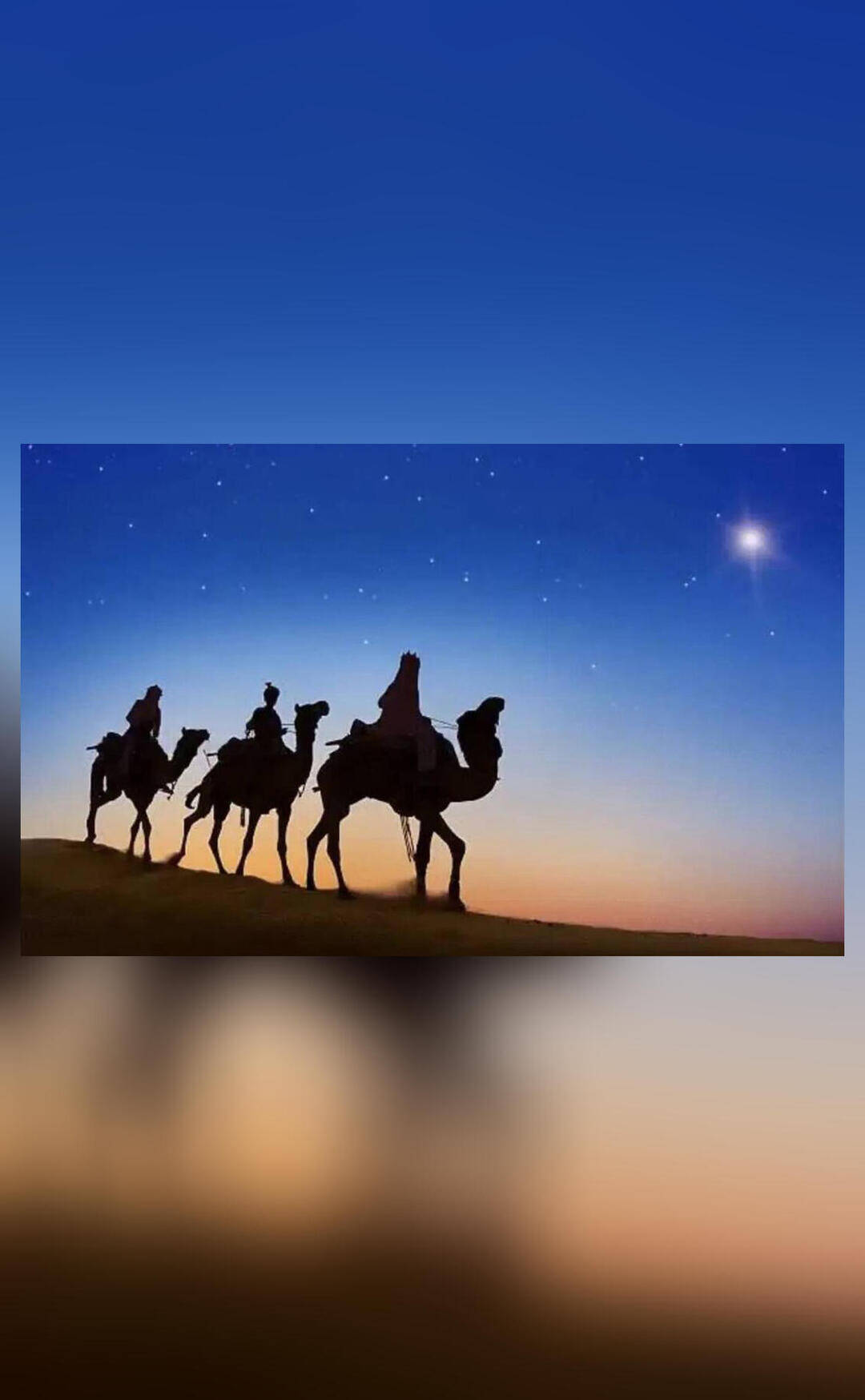
For centuries, the biblical story of the Star of Bethlehem has fascinated people around the world. The account of a bright star appearing in the sky to guide the Magi to the birthplace of Jesus has been the subject of much speculation and debate. While some have dismissed the story as a mythical or symbolic event, others have attempted to find a scientific explanation for the phenomenon. Recently, a NASA planetary scientist has weighed in on the debate, suggesting that the Star of Bethlehem may have been a comet that was recorded by Chinese astronomers in 5 BC.
Mark Matney, a scientist at NASA’s Johnson Space Center, has proposed that the Star of Bethlehem may have been a comet that passed extremely close to Earth, making it visible during the daytime. According to Matney, the comet may have been visible for over 70 days, which would have made it a remarkable and unusual sight in the ancient sky. Matney’s theory is based on his analysis of the comet’s orbital path, which suggests that it may have seemed to move and then “stand still” in the sky, much like the description of the Star of Bethlehem in the Gospel of Matthew.
The idea that the Star of Bethlehem may have been a comet is not a new one. For centuries, astronomers have suggested that a comet or other celestial event may have inspired the biblical account. However, Matney’s theory is unique in that it is based on a specific historical record of a comet sighting in 5 BC. According to Chinese astronomical records, a comet was visible in the sky for over 70 days in 5 BC, which would have made it a significant and unusual event.
Matney’s orbital analysis of the comet suggests that it may have passed within 1.5 astronomical units (AU) of Earth, which would have made it an extremely close approach. For comparison, the average distance between Earth and the Sun is about 1 AU, so the comet would have been closer to Earth than the Sun. This close approach would have made the comet appear much brighter in the sky, potentially even visible during the daytime.
One of the most intriguing aspects of Matney’s theory is that it may help to explain the description of the Star of Bethlehem in the Gospel of Matthew. According to the biblical account, the star “stood over” the place where Jesus was born, which has been interpreted by some as a literal description of a star or other celestial object appearing to hover in the sky. Matney’s analysis suggests that the comet may have seemed to move and then “stand still” in the sky, which could be consistent with the biblical description.
While Matney’s theory is certainly intriguing, it is not without its challenges and criticisms. Some have pointed out that the Chinese astronomical records of the comet sighting in 5 BC are not necessarily conclusive, and that the orbital analysis of the comet is based on incomplete data. Additionally, the idea that a comet could have been visible for over 70 days and yet not be recorded by other ancient civilizations is somewhat puzzling.
Despite these challenges, Matney’s theory has helped to revive the debate over the nature of the Star of Bethlehem. Whether or not the biblical account is based on a real historical event, the idea that a comet or other celestial event may have inspired the story is certainly an fascinating one. As scientists continue to explore the possibilities of the Star of Bethlehem, we may yet uncover new insights into the mysteries of the ancient sky.
In conclusion, the mystery of the Star of Bethlehem remains one of the most enduring and intriguing puzzles of the ancient world. While we may never know for certain what inspired the biblical account, the idea that a comet or other celestial event may have played a role is certainly a compelling one. As we continue to explore the wonders of the universe, we may yet uncover new secrets and insights into the mysteries of the past.
About the Author