NASA scientist says biblical Star of Bethlehem may have been comet
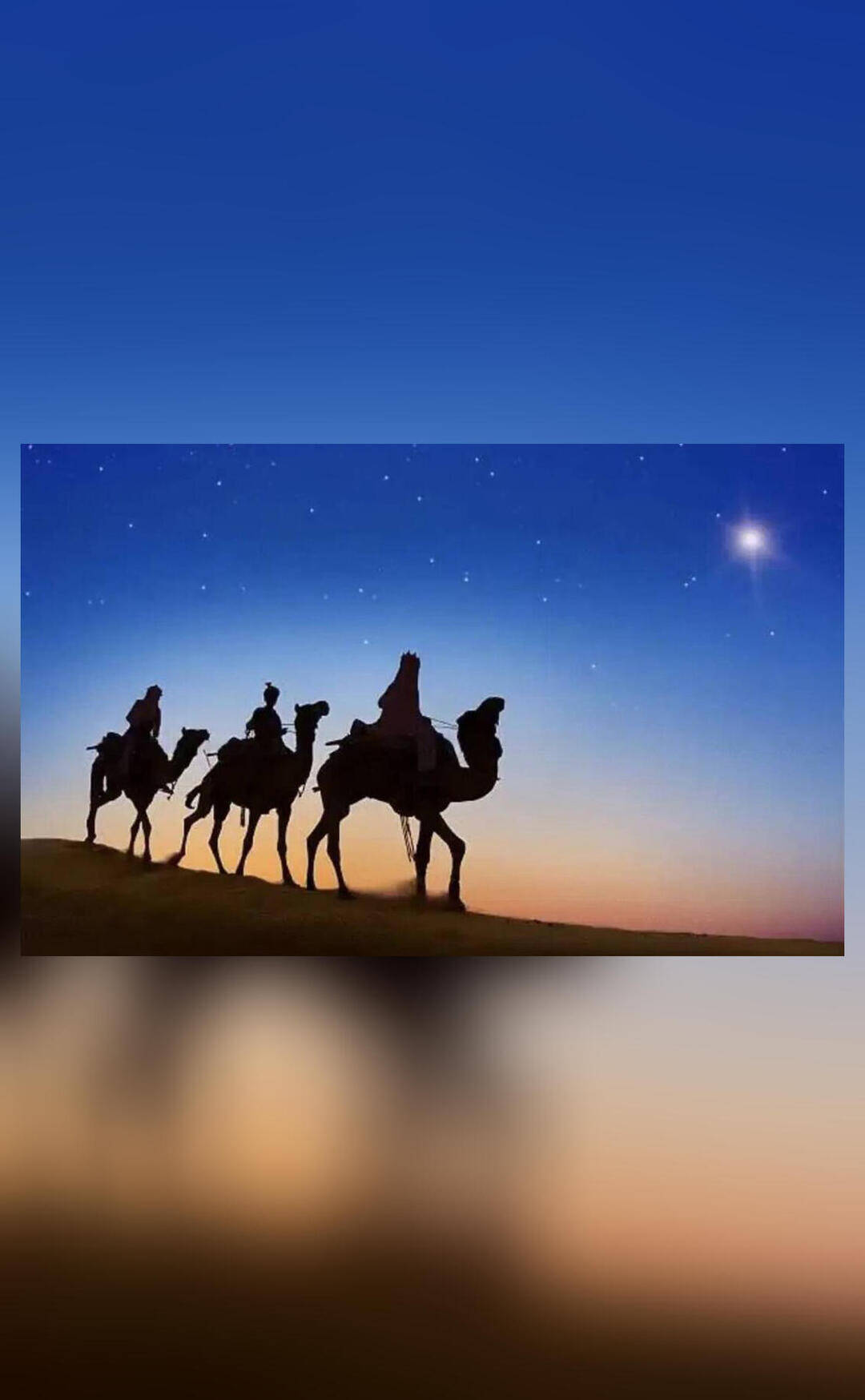
The Star of Bethlehem, also known as the Christmas Star, has been a topic of fascination and debate for centuries. The biblical account of the Star of Bethlehem is found in the Gospel of Matthew, which describes a bright star that appeared in the sky, guiding the Magi, also known as the Three Wise Men, to the birthplace of Jesus Christ. For years, astronomers and historians have attempted to identify the Star of Bethlehem, with various theories suggesting it could have been a planetary alignment, a supernova, or even a comet. Recently, a NASA planetary scientist, Mark Matney, has revived the debate by suggesting that the Star of Bethlehem may have been a comet recorded by Chinese astronomers in 5 BC.
According to Matney, the comet may have been visible for over 70 days, which is a significant amount of time for a comet to be visible in the sky. What’s more, the comet may have passed extremely close to Earth, making it shine during the daytime. This would have been a rare and remarkable sight, especially during a time when astronomical events were often seen as omens or signs from the gods. Matney’s orbital analysis of the comet’s path showed that it may have seemed to move and then “stand still” in the sky, which is consistent with the description of the Star of Bethlehem in the Gospel of Matthew.
The idea that the Star of Bethlehem may have been a comet is not new, but Matney’s research provides new insights into the possibility. Comets are known to be unpredictable and can appear unexpectedly in the sky, which would have made the Star of Bethlehem a remarkable sight. The fact that Chinese astronomers recorded a comet in 5 BC, which is around the time of the birth of Jesus Christ, adds credibility to Matney’s theory. The comet’s close approach to Earth would have made it shine brightly, even during the daytime, which would have been a rare and awe-inspiring sight.
The biblical account of the Star of Bethlehem is brief, but it provides some clues about the nature of the star. According to the Gospel of Matthew, the star appeared in the east and guided the Magi to the birthplace of Jesus Christ. The star is described as moving and then standing still, which is consistent with the behavior of a comet. The fact that the star was visible for a significant amount of time, possibly over 70 days, suggests that it may have been a comet that was close to Earth.
The debate about the nature of the Star of Bethlehem has been ongoing for centuries, with various theories being proposed over the years. Some have suggested that the star may have been a planetary alignment, such as a conjunction of Jupiter and Saturn. Others have proposed that it may have been a supernova, which is an explosion of a star that can be seen from great distances. However, these theories have been disputed, and the true nature of the Star of Bethlehem remains a mystery.
Matney’s theory about the Star of Bethlehem being a comet is intriguing, and it provides a new perspective on the biblical account. The fact that Chinese astronomers recorded a comet in 5 BC, which is around the time of the birth of Jesus Christ, adds credibility to the theory. The comet’s close approach to Earth would have made it shine brightly, even during the daytime, which would have been a rare and awe-inspiring sight.
The search for the Star of Bethlehem is not just about identifying a celestial event; it’s also about understanding the cultural and historical context of the time. The Star of Bethlehem is a symbol of hope and guidance, and its appearance in the sky would have been seen as a significant event by the people of the time. The fact that the star was visible for a significant amount of time, possibly over 70 days, would have made it a remarkable sight, and its appearance would have been seen as a sign from the gods.
In conclusion, the mystery of the Star of Bethlehem remains a topic of fascination and debate. Matney’s theory about the star being a comet recorded by Chinese astronomers in 5 BC provides a new perspective on the biblical account. The fact that the comet may have passed extremely close to Earth, making it shine during the daytime, adds credibility to the theory. While the true nature of the Star of Bethlehem may never be known for certain, Matney’s research provides a new insight into the possibility that the star may have been a comet. As we continue to explore the universe and uncover its secrets, we may one day uncover the truth about the Star of Bethlehem.
About the Author