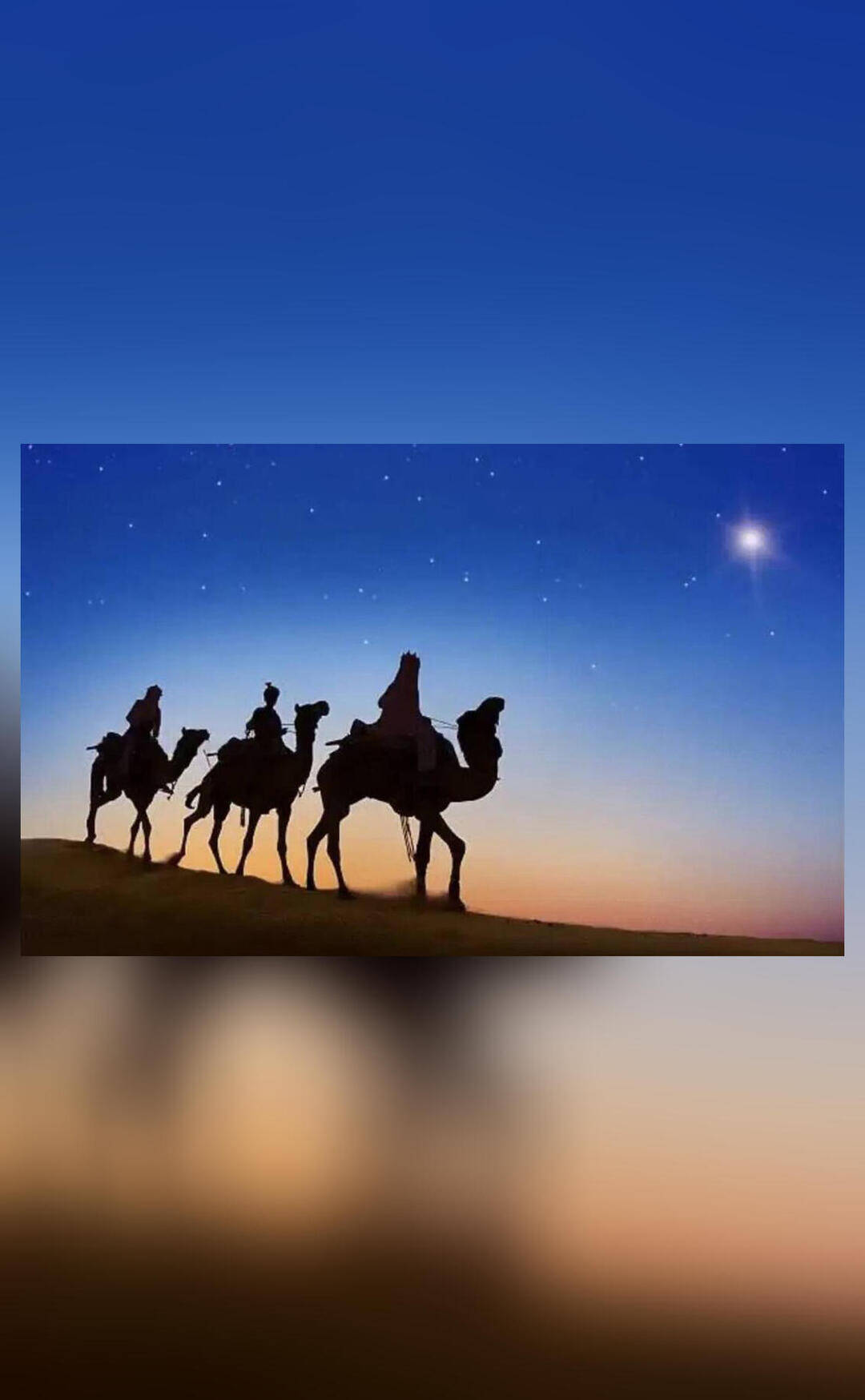
NASA Scientist Says Biblical Star of Bethlehem May Have Been Comet
The Star of Bethlehem, also known as the Christmas Star, has been a topic of fascination and debate among astronomers, historians, and biblical scholars for centuries. The biblical account of the Star of Bethlehem is found in the Gospel of Matthew, which describes a celestial event that guided the Magi, also known as the Three Wise Men, to the birthplace of Jesus Christ. For years, scientists and scholars have attempted to explain the nature of this phenomenon, with various theories ranging from a planetary alignment to a supernova explosion. Now, a NASA planetary scientist, Mark Matney, has suggested that the biblical Star of Bethlehem may have been a comet recorded by Chinese astronomers in 5 BC.
According to Matney, the comet may have been visible for over 70 days, which is a relatively long period for a comet to be visible in the sky. This prolonged visibility could have made the comet appear as a “star” that stood still in the sky, as described in the Gospel of Matthew. Moreover, Matney’s orbital analysis showed that the comet may have passed extremely close to Earth, making it shine during the daytime. This close approach could have made the comet appear even brighter and more spectacular, potentially catching the attention of the Magi and other observers in the ancient world.
The idea that the Star of Bethlehem may have been a comet is not new, but Matney’s research provides new insights and evidence to support this theory. By analyzing the orbital path of the comet, Matney was able to show that it may have seemed to move and then “stand still” in the sky, which is consistent with the biblical description of the Star of Bethlehem. This phenomenon could have been due to the comet’s close approach to Earth, which would have made it appear to slow down and then stop moving in the sky.
The Chinese astronomers’ records of the comet in 5 BC provide a crucial piece of evidence to support Matney’s theory. These records describe a comet that was visible for over 70 days, which is consistent with Matney’s estimates of the comet’s visibility. Moreover, the Chinese records provide a detailed description of the comet’s appearance and behavior, which matches the biblical account of the Star of Bethlehem.
The significance of Matney’s research lies in its ability to provide a scientific explanation for the biblical account of the Star of Bethlehem. While the biblical account is often seen as a miraculous event, Matney’s research suggests that it may have been a natural phenomenon that was misinterpreted by the ancient observers. This highlights the importance of considering the cultural and historical context in which the biblical account was written, as well as the potential for scientific explanations to shed new light on ancient texts.
Furthermore, Matney’s research has implications for our understanding of the history of astronomy and the development of scientific knowledge. The fact that Chinese astronomers were able to record and describe a comet in 5 BC demonstrates the sophistication and accuracy of ancient astronomical observations. This highlights the importance of considering the contributions of non-Western cultures to the development of scientific knowledge and challenges the traditional narrative of the history of science as a solely Western enterprise.
In conclusion, NASA scientist Mark Matney’s suggestion that the biblical Star of Bethlehem may have been a comet recorded by Chinese astronomers in 5 BC provides a fascinating new perspective on this ancient phenomenon. By analyzing the orbital path of the comet and considering the historical and cultural context of the biblical account, Matney’s research provides a compelling explanation for the Star of Bethlehem that is consistent with both scientific and biblical descriptions. As we continue to explore the mysteries of the universe, research like Matney’s reminds us of the importance of considering the intersections between science, history, and culture in our pursuit of knowledge.
About the Author