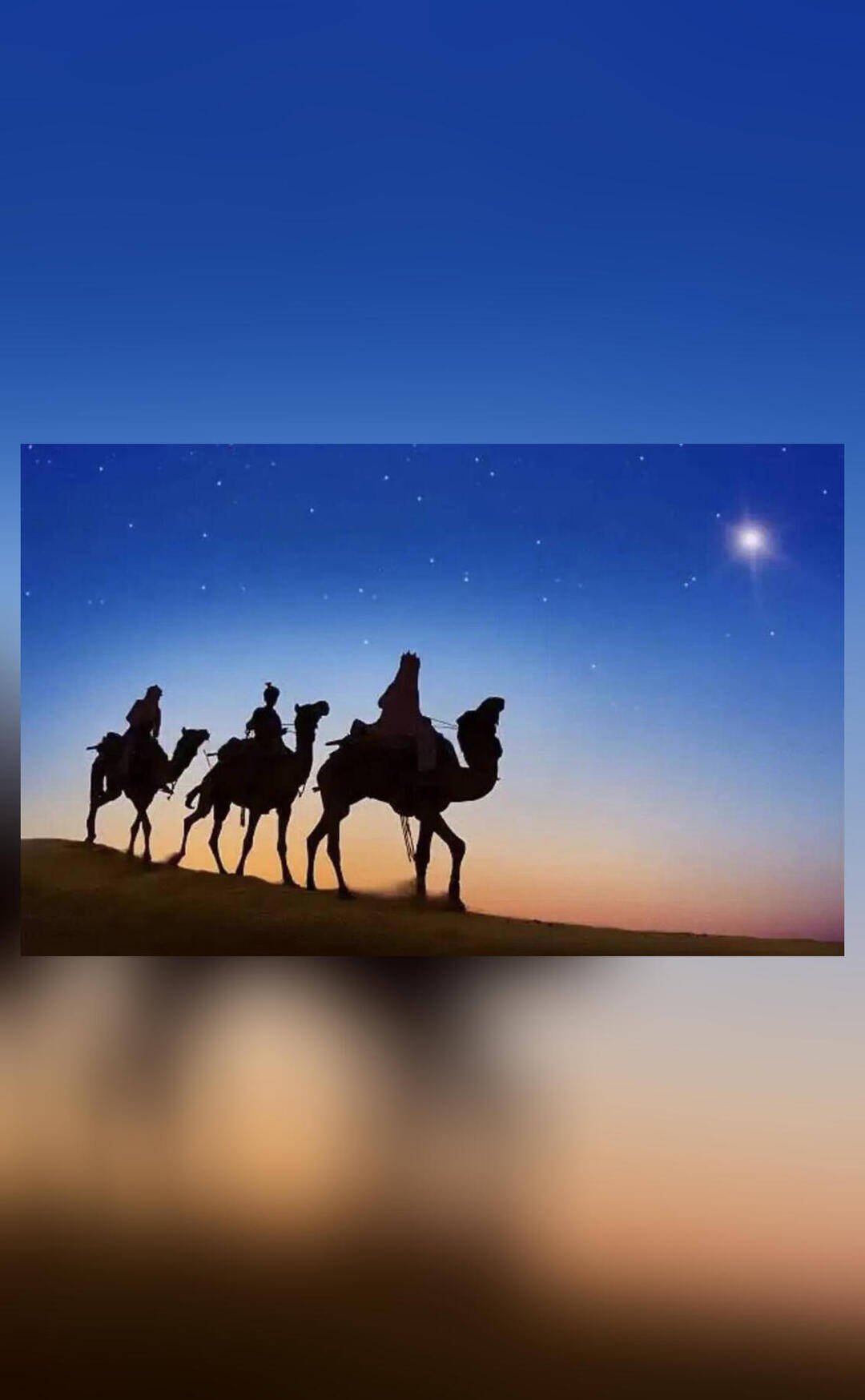
NASA scientist says biblical Star of Bethlehem may have been comet
The Star of Bethlehem, also known as the Christmas Star, has been a topic of debate and speculation for centuries. The biblical account of the Star of Bethlehem is found in the Gospel of Matthew, where it is described as a star that guided the Magi, also known as the Three Wise Men, to the birthplace of Jesus Christ. For years, scientists and historians have attempted to explain the phenomenon, with various theories ranging from a supernova to a planetary alignment. However, a recent suggestion by NASA planetary scientist Mark Matney has revived the debate, proposing that the Star of Bethlehem may have been a comet recorded by Chinese astronomers in 5 BC.
According to Matney, the comet may have passed extremely close to Earth, making it shine during the daytime, which would have been a remarkable sight for the people of that time. The comet’s proximity to our planet would have also caused it to appear to move and then “stand still” in the sky, which is consistent with the description of the Star of Bethlehem in the Gospel of Matthew. Matney’s orbital analysis of the comet’s trajectory suggests that it may have been visible for over 70 days, which would have been long enough to guide the Magi to the birthplace of Jesus.
The idea that the Star of Bethlehem was a comet is not new, but Matney’s research provides new insights into the possibility. The Chinese astronomers’ records of a comet in 5 BC provide a tantalizing clue, as it is around the same time that the Star of Bethlehem is believed to have appeared. The comet’s close approach to Earth would have made it a spectacular sight, visible even during the daytime, which would have been a rare and awe-inspiring event.
Matney’s research also suggests that the comet’s path across the sky may have been misinterpreted by the ancient astronomers, leading to the description of the star “standing still” in the Gospel of Matthew. The comet’s motion would have appeared to slow down and then stop, which would have been a remarkable sight for the people of that time. This phenomenon would have been especially notable in the ancient world, where the night sky was an important part of everyday life and was often used for navigation and agriculture.
The possibility that the Star of Bethlehem was a comet is an intriguing one, and it highlights the complexities and uncertainties of ancient astronomy. The ancient world was full of mysterious and unexplained phenomena, and the Star of Bethlehem is just one example of the many celestial events that have been recorded throughout history. While we may never know for certain what the Star of Bethlehem was, Matney’s research provides a fascinating glimpse into the possibilities.
The search for an explanation for the Star of Bethlehem is not just a matter of scientific curiosity, but also has significant cultural and historical implications. The Star of Bethlehem is an important part of Christian tradition and is often seen as a symbol of the birth of Jesus Christ. The idea that the Star of Bethlehem may have been a comet adds a new layer of depth and complexity to the story, highlighting the connections between astronomy, culture, and history.
In conclusion, the suggestion by NASA planetary scientist Mark Matney that the Star of Bethlehem may have been a comet is a fascinating one, and it highlights the ongoing debate and speculation surrounding this phenomenon. While we may never know for certain what the Star of Bethlehem was, Matney’s research provides a compelling argument for the possibility that it was a comet. The search for an explanation for the Star of Bethlehem is an ongoing one, and it continues to inspire scientists, historians, and the general public alike.
As we continue to explore the mysteries of the universe, we are reminded of the importance of interdisciplinary research and the connections between science, culture, and history. The study of the Star of Bethlehem is a prime example of how astronomy, history, and culture intersect, and it highlights the complexities and uncertainties of ancient astronomy. Whether or not the Star of Bethlehem was a comet, its legacy continues to inspire and fascinate us, and its study remains an important part of our ongoing quest for knowledge and understanding.
About the Author