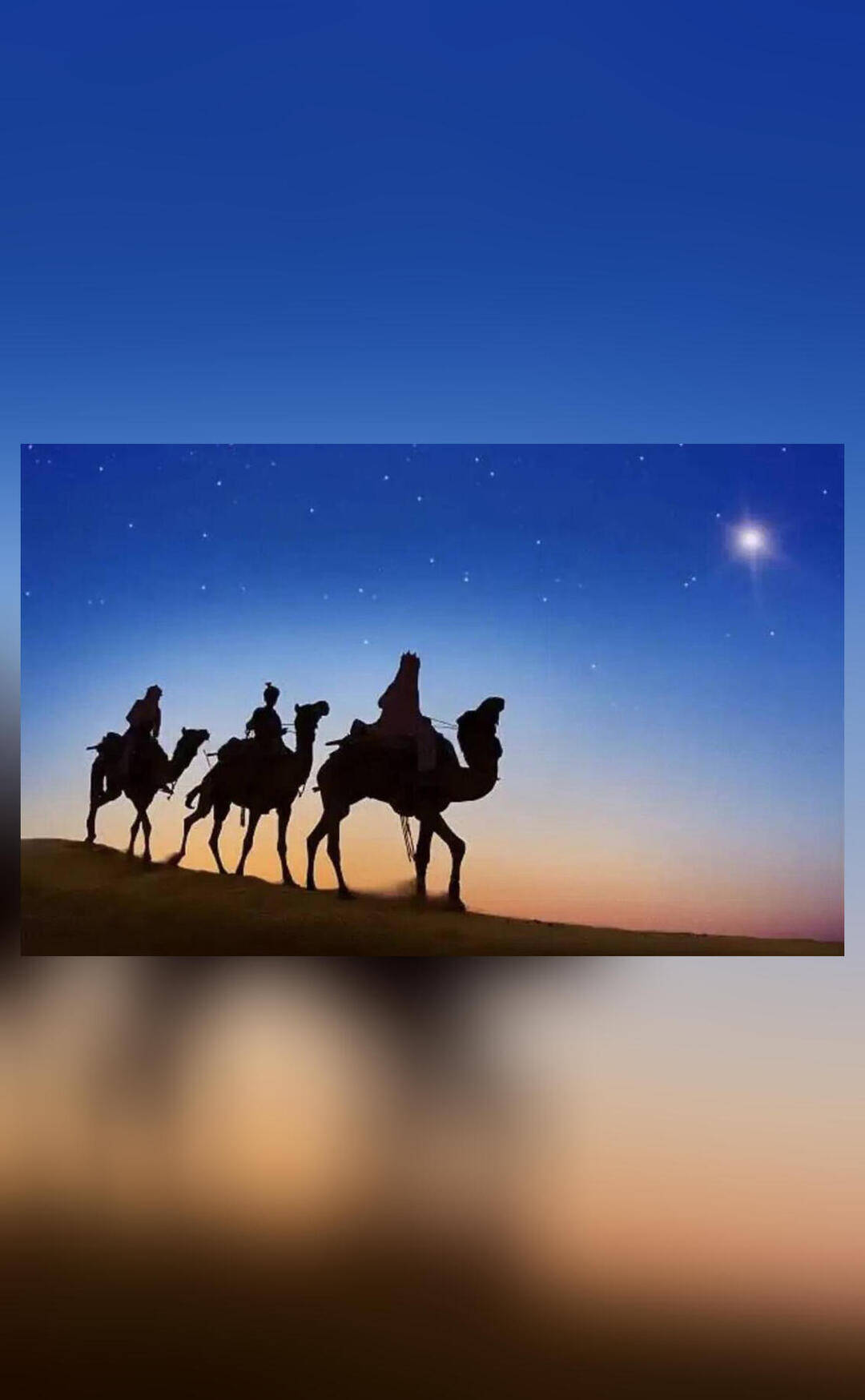
NASA Scientist Says Biblical Star of Bethlehem May Have Been Comet
The Star of Bethlehem, also known as the Christmas Star, has been a topic of fascination and debate among astronomers, historians, and biblical scholars for centuries. The biblical account of the Star of Bethlehem is found in the Gospel of Matthew, which describes a celestial event that guided the Magi, also known as the Three Wise Men, to the birthplace of Jesus Christ. For years, scientists and scholars have attempted to explain the nature of this phenomenon, with various theories ranging from a planetary alignment to a supernova explosion. Recently, a NASA planetary scientist, Mark Matney, has suggested that the biblical Star of Bethlehem may have been a comet recorded by Chinese astronomers in 5 BC.
According to Matney, the comet may have been visible for over 70 days, which is an unusually long period of time for a comet to be visible in the sky. This prolonged visibility could have been due to the comet’s extremely close passage to Earth, which would have made it shine brightly enough to be seen during the daytime. Matney’s orbital analysis of the comet’s trajectory showed that it may have appeared to move and then “stand still” in the sky, which is consistent with the description of the Star of Bethlehem in the Gospel of Matthew.
The idea that the Star of Bethlehem may have been a comet is not new, but Matney’s research provides new insights into the possibility. Comets are known to be unpredictable and can appear unexpectedly in the sky, making them a plausible explanation for the Star of Bethlehem. Additionally, the fact that Chinese astronomers recorded a comet in 5 BC, which is around the time of Jesus’ birth, adds credibility to Matney’s theory.
The biblical account of the Star of Bethlehem is brief, but it provides some clues about the nature of the phenomenon. According to Matthew 2:9-10, the Star of Bethlehem “went before them, till it came and stood over where the young child was. When they saw the star, they rejoiced with exceedingly great joy.” The fact that the star “stood over” the location of Jesus’ birth suggests that it may have appeared to be stationary in the sky, which is consistent with Matney’s orbital analysis of the comet.
Matney’s research has revived the debate about the nature of the Star of Bethlehem, with some scholars hailing it as a breakthrough and others expressing skepticism. While the idea that the Star of Bethlehem may have been a comet is intriguing, it is essential to note that the biblical account of the phenomenon is subject to interpretation, and the exact nature of the event may never be known for certain.
The search for the Star of Bethlehem has been an ongoing quest for centuries, with various theories and explanations being proposed over the years. From planetary alignments to supernova explosions, each theory has its strengths and weaknesses. However, Matney’s research provides a fresh perspective on the phenomenon, and his use of orbital analysis and historical records adds a new layer of credibility to the debate.
In conclusion, the mystery of the Star of Bethlehem remains one of the most enduring and fascinating topics in the fields of astronomy, history, and biblical studies. While Matney’s research provides a compelling explanation for the phenomenon, it is essential to approach the topic with a critical and nuanced perspective, recognizing the limitations and uncertainties of our knowledge. As we continue to explore the mysteries of the universe, the Star of Bethlehem remains a captivating and thought-provoking topic that inspires us to seek answers and push the boundaries of human understanding.
About the Author