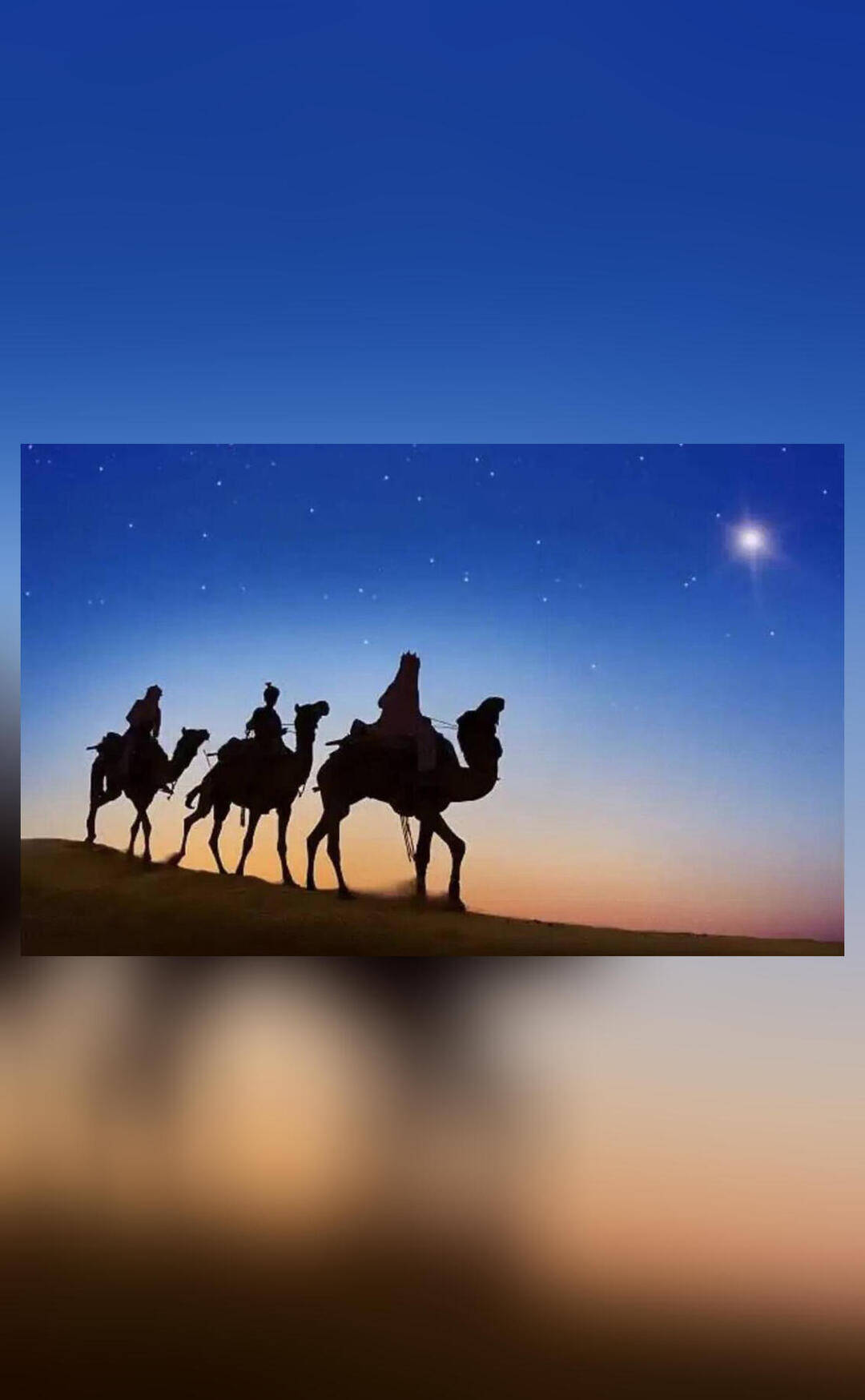
NASA Scientist Says Biblical Star of Bethlehem May Have Been Comet
The Star of Bethlehem, also known as the Christmas Star, has been a topic of debate and speculation for centuries. The biblical account of the Star of Bethlehem is recorded in the Gospel of Matthew, where it is described as a star that guided the Magi, also known as the Three Wise Men, to the birthplace of Jesus Christ. For years, astronomers and scholars have attempted to identify the celestial event that may have inspired this biblical account. Now, a NASA planetary scientist, Mark Matney, has suggested that the Star of Bethlehem may have been a comet that was recorded by Chinese astronomers in 5 BC.
According to Matney, the comet may have been visible for over 70 days, which is a significant amount of time for a comet to be visible in the sky. What’s more, the comet may have passed extremely close to Earth, making it shine during the daytime. This would have been a rare and remarkable event, and it’s possible that the comet’s close approach to Earth may have made it appear to be a star that was “standing still” in the sky.
Matney’s theory is based on his orbital analysis of the comet, which suggests that it may have seemed to move and then “stand still” in the sky, just like the Gospel description of the Star of Bethlehem. This theory is not new, as other astronomers have also suggested that the Star of Bethlehem may have been a comet. However, Matney’s analysis provides new insights into the possible orbit of the comet and its appearance in the sky.
The biblical account of the Star of Bethlehem is brief, but it provides some clues about the nature of the celestial event. According to the Gospel of Matthew, the Star of Bethlehem appeared in the eastern sky, and it guided the Magi to the city of Bethlehem, where Jesus was born. The Star is described as a single star that was visible in the sky, and it is said to have been so bright that it caught the attention of the Magi, who were likely skilled astronomers.
Over the years, many theories have been proposed to explain the Star of Bethlehem, including the possibility that it was a planetary alignment, a supernova, or even a meteor. However, none of these theories have been proven conclusively, and the mystery of the Star of Bethlehem remains unsolved.
Matney’s theory that the Star of Bethlehem may have been a comet is intriguing, and it provides a possible explanation for the biblical account. Comets are known to be unpredictable and can appear in the sky at any time, which makes them a possible candidate for the Star of Bethlehem. Additionally, comets have been known to be visible for extended periods of time, which could explain why the Star of Bethlehem was visible for over 70 days.
While Matney’s theory is compelling, it’s not without its challenges. For example, the comet would have had to have been extremely bright to be visible during the daytime, which is a rare occurrence. Additionally, the comet’s close approach to Earth would have required a highly elliptical orbit, which is not typical of most comets.
Despite these challenges, Matney’s theory provides a new perspective on the mystery of the Star of Bethlehem. His orbital analysis of the comet provides a possible explanation for the Star’s appearance in the sky, and it highlights the complexity and unpredictability of celestial events.
In conclusion, the mystery of the Star of Bethlehem remains one of the most enduring and intriguing puzzles in the history of astronomy. While Matney’s theory that the Star of Bethlehem may have been a comet is compelling, it’s not a definitive solution to the mystery. However, it provides a new perspective on the possible nature of the celestial event, and it highlights the ongoing debate and speculation that surrounds this topic.
As we continue to explore the universe and learn more about celestial events, we may eventually uncover the truth behind the Star of Bethlehem. Until then, the mystery will remain a topic of fascination and speculation, inspiring new generations of astronomers and scholars to explore the wonders of the universe.
About the Author