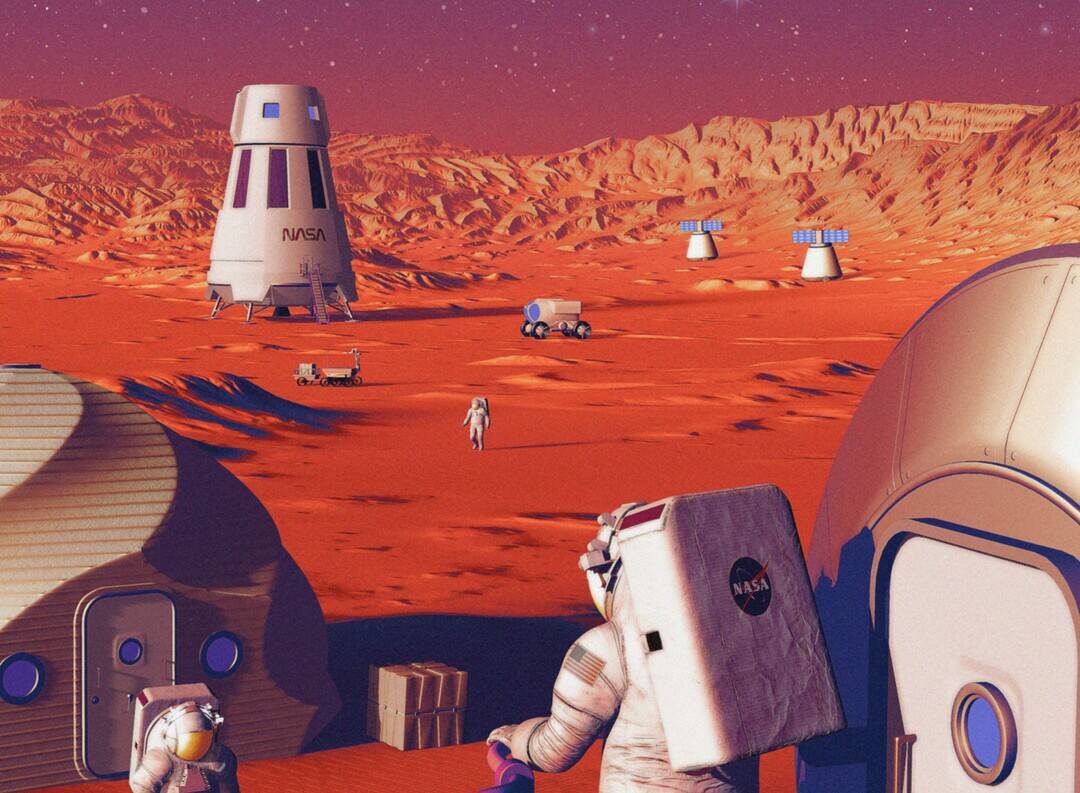
NASA offering $750,000 to design meal plan for astronauts on Mars
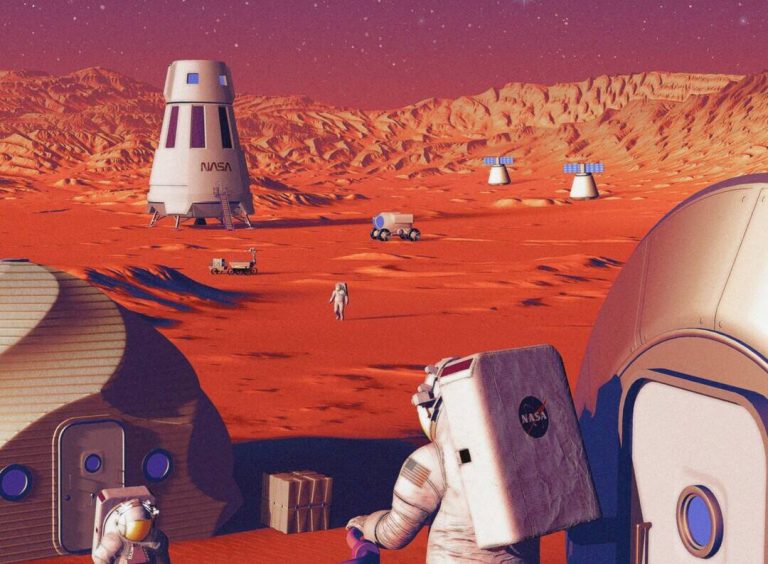
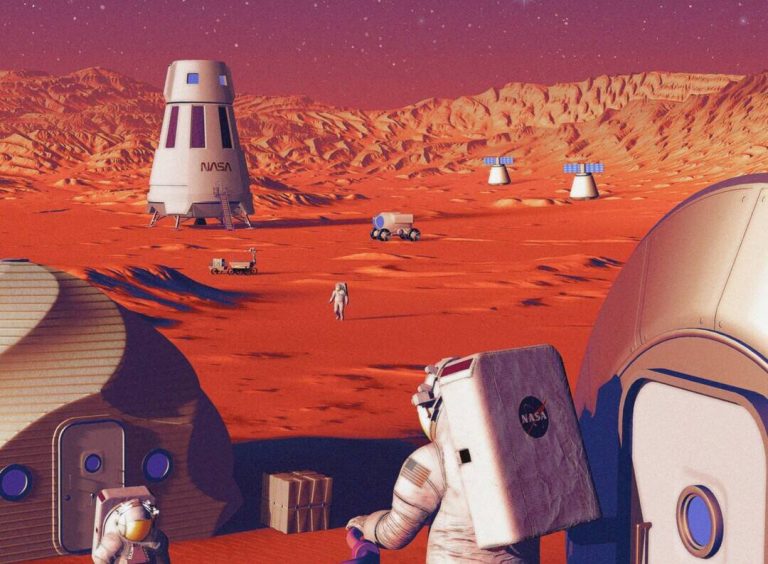
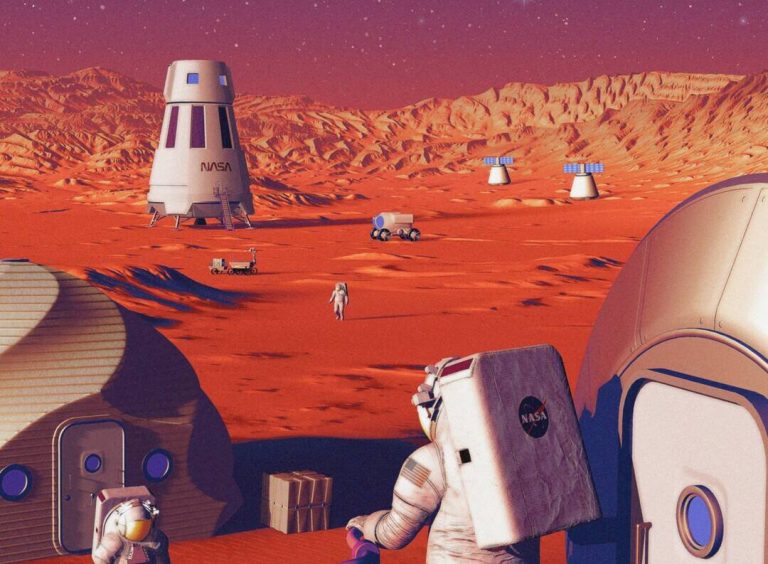
As NASA continues to push the boundaries of space exploration, the organization is now turning its attention to a crucial aspect of long-duration space travel: food. With plans to send astronauts to Mars in the near future, NASA is launching the ‘Deep Space Food Challenge: Mars to Table’, a new global competition inviting chefs, innovators, culinary experts, and citizen scientists to design a complete meal plan suitable for astronauts living on the red planet.
The challenge is open to the global public until 31 July 2026, and it carries a prize purse of up to $750,000. This is an exciting opportunity for individuals and teams to contribute to the development of a sustainable food system for future Mars missions. The goal of the challenge is to create a meal plan that is not only nutritious and delicious but also sustainable, reliable, and easy to prepare in a Martian environment.
The Challenges of Cooking in Space
Cooking in space is a complex task that requires careful consideration of several factors, including limited resources, lack of refrigeration, and the need for food to be shelf-stable for long periods. Astronauts on the International Space Station (ISS) currently rely on pre-packaged meals that are designed to be heated using a food warmer or eaten straight from the package. However, these meals are not suitable for long-duration missions to Mars, where astronauts will need to be self-sufficient and able to grow or produce their own food.
The Martian environment poses additional challenges, including limited access to water, extreme temperatures, and a lack of atmosphere. Any food system designed for Mars will need to be able to function in these conditions, using minimal resources and producing minimal waste. The meal plan will also need to be able to sustain astronauts for extended periods, potentially up to two years or more.
The Deep Space Food Challenge
The Deep Space Food Challenge: Mars to Table is a global competition that invites individuals and teams to submit their proposals for a Martian meal plan. The challenge is divided into several phases, with the first phase focusing on the design and development of a food system concept. Participants will need to submit a detailed proposal outlining their approach, including the types of food they would produce, how they would produce it, and how they would prepare and consume it.
A panel of judges will review the proposals and select a group of finalists to move on to the next phase. These finalists will be invited to develop a prototype of their food system, which will be tested and evaluated by NASA. The winner of the challenge will receive a prize of up to $750,000, which will be used to further develop and refine their food system concept.
The Potential for Innovation
The Deep Space Food Challenge: Mars to Table offers a unique opportunity for innovators and entrepreneurs to develop new technologies and approaches to food production and preparation. The challenge is not limited to traditional food systems, and participants are encouraged to think outside the box and propose novel solutions.
Some potential areas of innovation include:
- Hydroponics and aeroponics: These soilless cultivation methods could be used to grow a wide range of crops in a Martian environment.
- In-vitro meat production: This technology involves growing meat in a laboratory, which could provide a sustainable and reliable source of protein for astronauts.
- Algae-based food systems: Algae are a rich source of nutrients and could be used to produce a variety of food products, including nutritional supplements and animal feed.
- Food recycling and waste management: A closed-loop food system that recycles and reuses waste could help to minimize the amount of waste produced on Mars.
Conclusion
The Deep Space Food Challenge: Mars to Table is an exciting opportunity for individuals and teams to contribute to the development of a sustainable food system for future Mars missions. With a prize purse of up to $750,000, this challenge offers a unique opportunity for innovators and entrepreneurs to develop new technologies and approaches to food production and preparation.
As NASA continues to push the boundaries of space exploration, the organization is relying on the global community to help solve some of the complex challenges associated with long-duration space travel. The Deep Space Food Challenge: Mars to Table is just one example of how NASA is engaging with the public and encouraging innovation and creativity in the pursuit of space exploration.
For more information on the Deep Space Food Challenge: Mars to Table, including how to participate and the rules and guidelines, please visit the NASA website.
News Source: https://www.nasa.gov/directorates/stmd/nasa-back-for-seconds-with-new-food-system-design-challenge/
About the Author