Nagaland University discovers new plant species in state
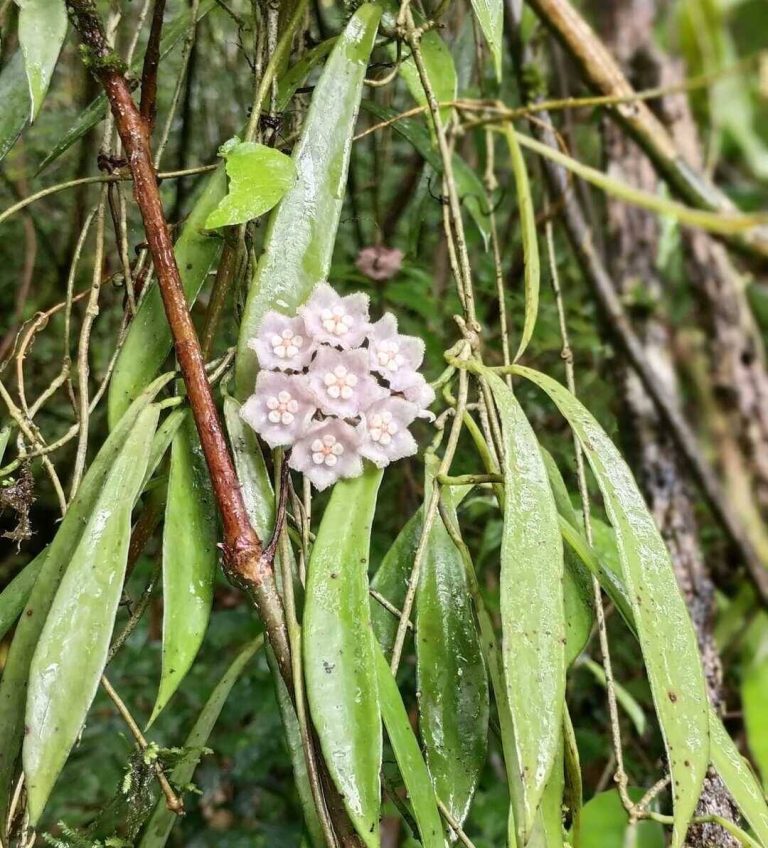
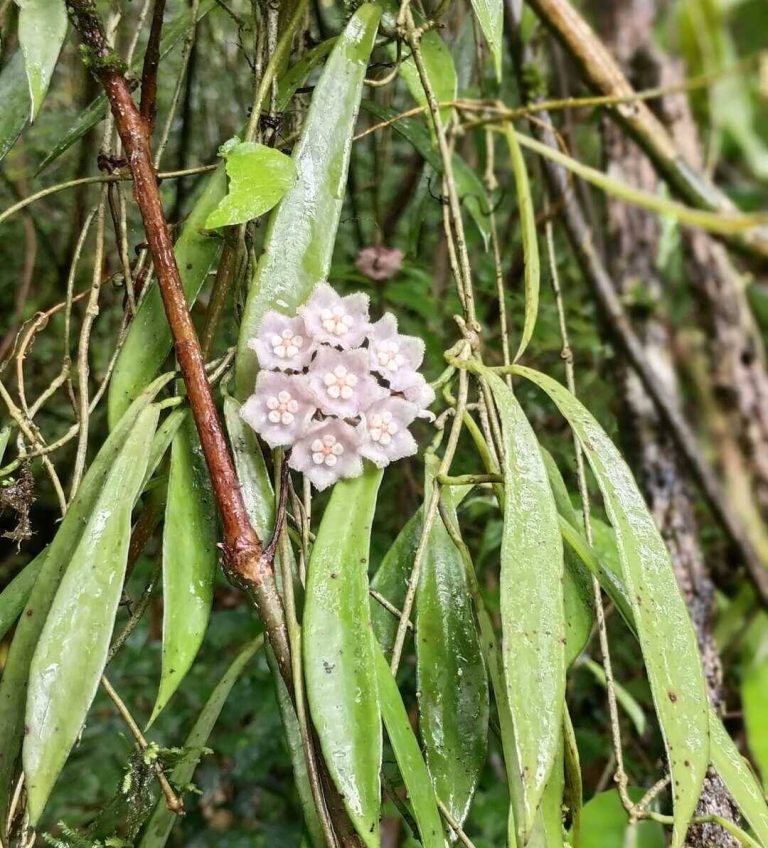
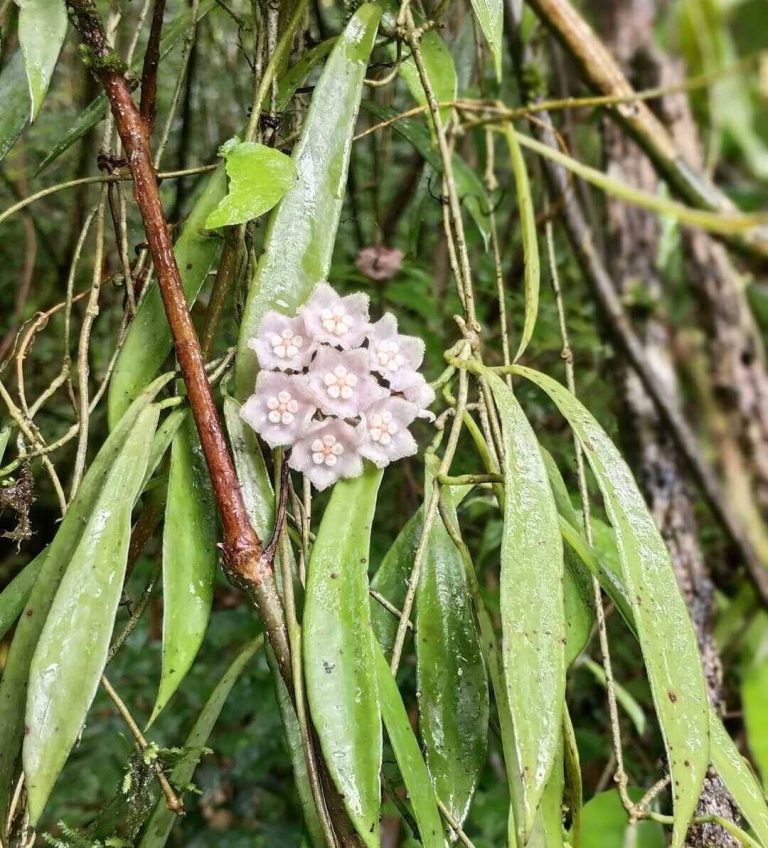
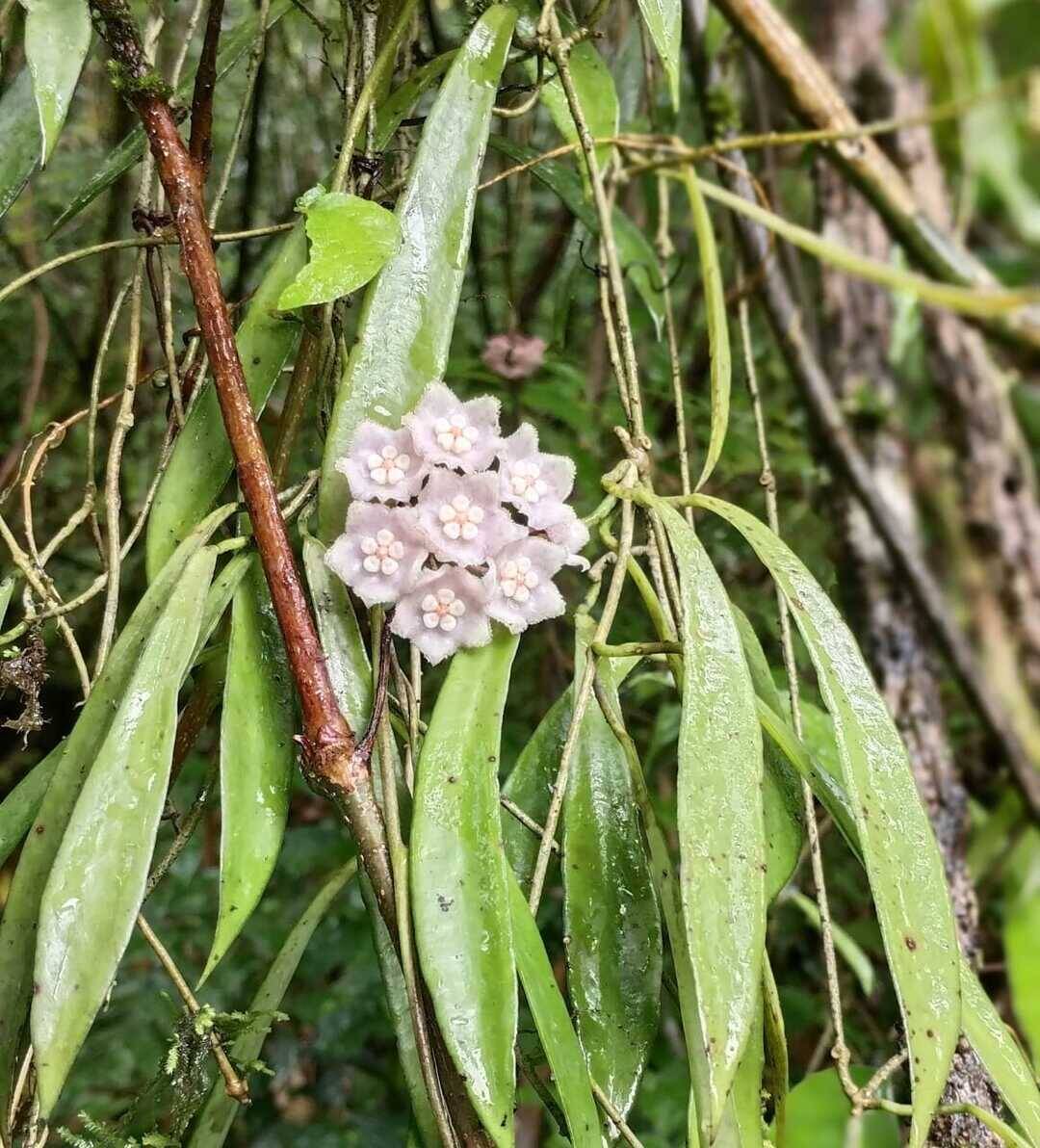
In a groundbreaking discovery, scientists from Nagaland University have identified a new plant species, Hoya nagaensis, in the community-protected high-altitude forests of Nagaland. The species, found in the Phek district, has been provisionally listed as Critically Endangered, highlighting the urgent need for conservation efforts to protect this unique plant. This remarkable finding not only showcases the rich biodiversity of the region but also underscores the crucial role of indigenous forest conservation practices in preserving the natural heritage of Nagaland.
The discovery of Hoya nagaensis is a significant milestone in the field of botany, as it adds to the growing list of plant species that are endemic to the region. The species, which belongs to the Apocynaceae family, is characterized by its distinctive leaves and flowers, which are unlike any other known species in the genus. The plant’s unique morphology and limited geographic range make it an exciting find for botanists and conservationists alike.
The discovery of Hoya nagaensis was made possible through a collaborative effort between scientists from Nagaland University and local community members. The research team, led by Dr. [Name], conducted extensive field surveys in the high-altitude forests of Phek district, where they collected and analyzed plant samples. The team’s findings were then verified through molecular analysis and comparison with existing plant species, confirming the discovery of a new species.
The community-protected forests of Nagaland, where Hoya nagaensis was discovered, are a testament to the effectiveness of indigenous forest conservation practices. For generations, local communities have protected and managed these forests, which have resulted in the preservation of a rich array of plant and animal species. The discovery of Hoya nagaensis highlights the importance of community-led conservation initiatives, which have been instrumental in safeguarding the region’s biodiversity.
The provisional listing of Hoya nagaensis as Critically Endangered is a cause for concern, as it indicates that the species is at high risk of extinction due to its limited population and geographic range. The main threats to the species’ survival include habitat loss and degradation, primarily due to deforestation and land-use changes. Climate change is also likely to have a significant impact on the species, as changes in temperature and precipitation patterns may alter the plant’s habitat and disrupt its reproductive cycle.
To address these concerns, conservation efforts are underway to protect Hoya nagaensis and its habitat. The Nagaland University research team is working closely with local communities, government agencies, and conservation organizations to develop a conservation plan for the species. The plan includes measures to protect the plant’s habitat, monitor its population, and engage local communities in conservation efforts.
The discovery of Hoya nagaensis has significant implications for the conservation of biodiversity in Nagaland. The region is home to a wide range of plant and animal species, many of which are found nowhere else in the world. However, the region’s biodiversity is under threat due to habitat loss, deforestation, and climate change. The discovery of Hoya nagaensis highlights the need for urgent conservation action to protect the region’s unique biodiversity and ecosystem services.
In conclusion, the discovery of Hoya nagaensis is a significant achievement for Nagaland University and the scientific community. The finding highlights the region’s rich biodiversity and the crucial role of indigenous forest conservation practices in preserving the natural heritage of Nagaland. As conservation efforts get underway to protect Hoya nagaensis, it is essential to recognize the importance of community-led conservation initiatives and the need for urgent action to address the threats facing the species.
The discovery of Hoya nagaensis is a reminder that there is still much to be learned about the natural world, and that new species are waiting to be discovered. As scientists and conservationists, it is our responsibility to protect and preserve the natural world, not just for the benefit of humanity, but for the sake of the planet and all its inhabitants.
About the Author