Nagaland University discovers new plant species in state
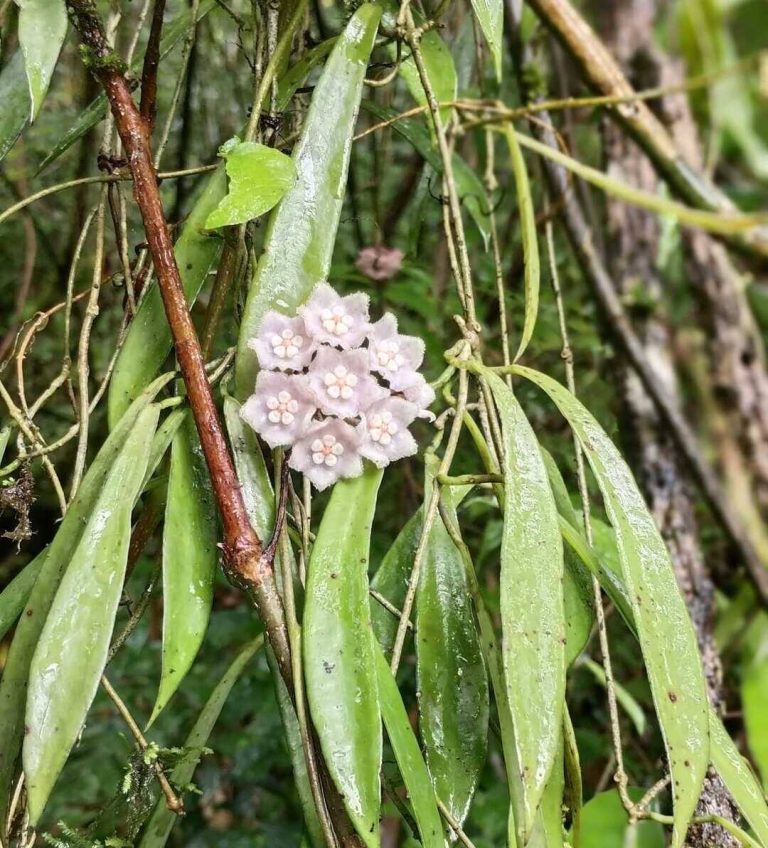
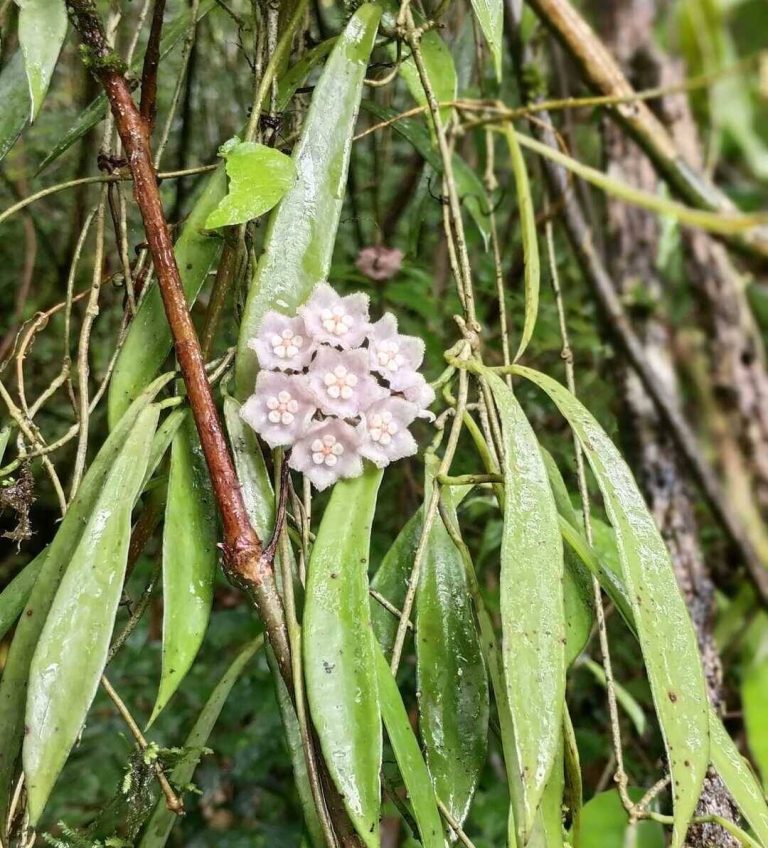
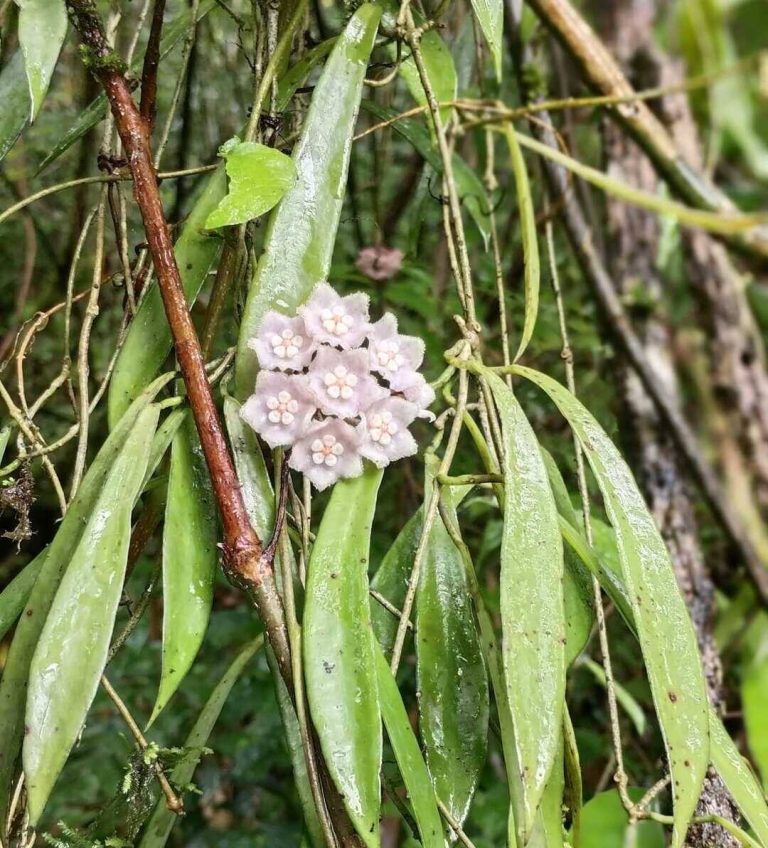
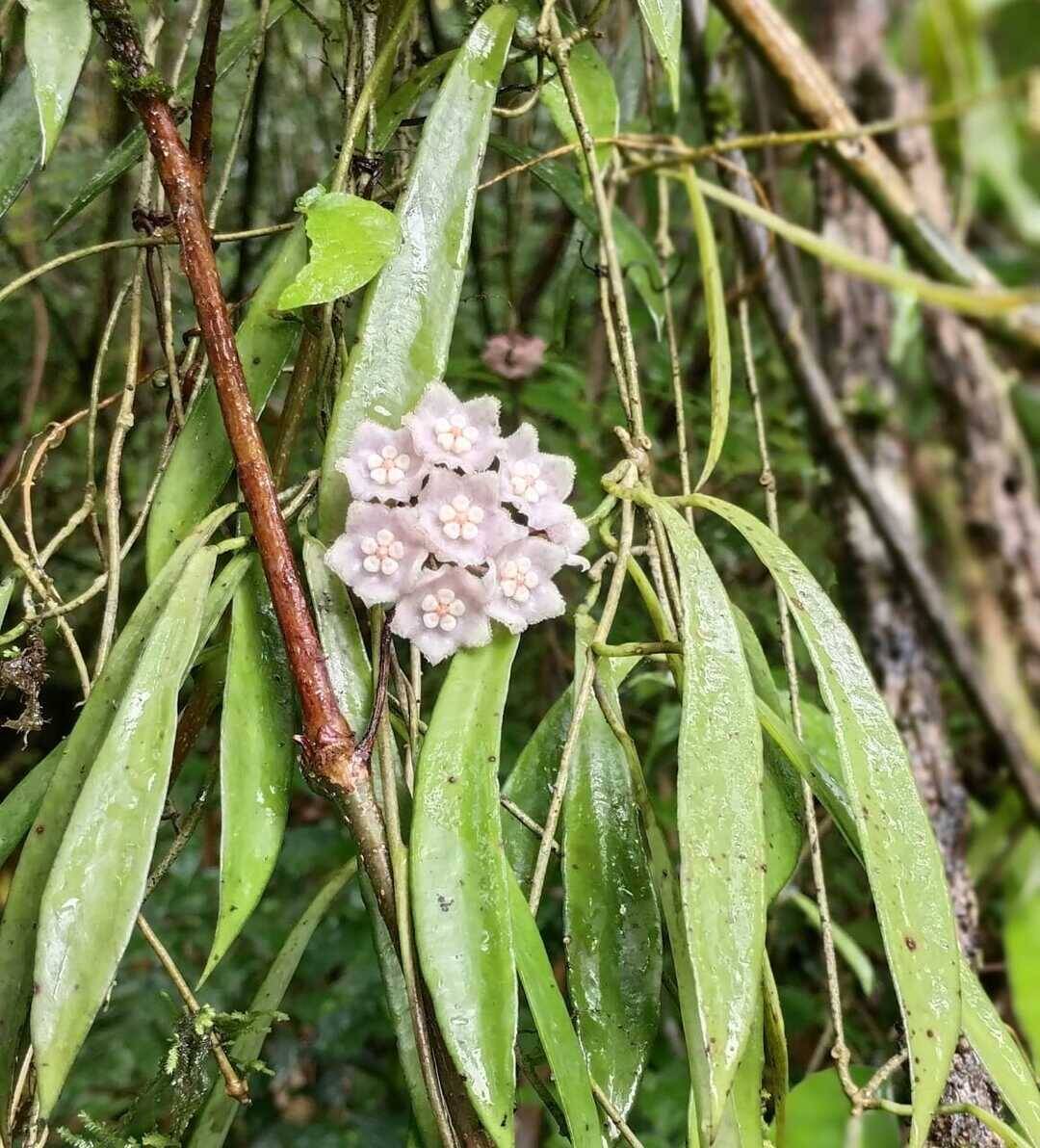
In a groundbreaking discovery, scientists from Nagaland University have identified a new plant species, Hoya nagaensis, in the community-protected high-altitude forests of Nagaland. The finding was made in the Phek district, and the species has been provisionally listed as Critically Endangered. This remarkable discovery not only highlights the rich biodiversity of the region but also underscores the importance of indigenous forest conservation practices.
The discovery of Hoya nagaensis is a significant milestone in the field of botany, as it adds to the growing list of plant species that are unique to the region. The species was found in the high-altitude forests of Phek district, which are known for their exceptional biodiversity. The forests are home to a wide range of flora and fauna, many of which are found nowhere else in the world.
The discovery was made by a team of scientists from Nagaland University, who were conducting a comprehensive survey of the region’s plant species. The team, led by Dr. [Name], a renowned botanist, had been studying the flora of the region for several years. They used a combination of traditional taxonomic methods and modern techniques, such as DNA sequencing, to identify the new species.
Hoya nagaensis is a member of the Apocynaceae family, which includes a wide range of plant species, including trees, shrubs, and vines. The species is characterized by its unique leaf shape and flower structure, which distinguish it from other members of the family. The plant is also notable for its medicinal properties, which have been used by local communities for centuries.
The discovery of Hoya nagaensis has significant implications for conservation efforts in the region. The species has been provisionally listed as Critically Endangered, due to its limited geographic range and the threats it faces from habitat loss and degradation. The high-altitude forests of Phek district are under pressure from agriculture, urbanization, and other human activities, which have resulted in widespread deforestation and habitat fragmentation.
However, the discovery also highlights the crucial role of indigenous forest conservation practices in protecting the region’s biodiversity. The community-protected forests of Nagaland are a testament to the effectiveness of traditional conservation methods, which have been used by local communities for generations. These forests are managed and protected by local communities, who have a deep understanding of the ecosystem and the importance of preserving it.
The discovery of Hoya nagaensis is a reminder of the importance of preserving the region’s rich biodiversity. The species is not only a valuable addition to the world’s botanical knowledge but also an important part of the region’s cultural heritage. The plant has been used by local communities for centuries, and its loss would not only have significant ecological implications but also cultural and spiritual consequences.
The Nagaland University team is working closely with local communities and conservation organizations to develop a conservation plan for the species. The plan will include measures to protect the species’ habitat, as well as efforts to raise awareness about the importance of conservation and the need to protect the region’s biodiversity.
In conclusion, the discovery of Hoya nagaensis is a significant milestone in the field of botany, and it highlights the importance of preserving the region’s rich biodiversity. The discovery is a testament to the effectiveness of indigenous forest conservation practices and the need to protect the region’s unique ecosystem. As we move forward, it is essential that we prioritize conservation efforts and work towards protecting the region’s biodiversity for future generations.
The discovery of Hoya nagaensis is also a reminder of the importance of supporting scientific research and conservation efforts in the region. The Nagaland University team’s discovery is a shining example of the impact that dedicated scientists and conservationists can have on our understanding of the natural world.
As we celebrate this remarkable discovery, we must also recognize the challenges that lie ahead. The conservation of Hoya nagaensis and other endangered species will require sustained efforts and commitment from local communities, conservation organizations, and governments. It will also require a deeper understanding of the complex relationships between human activities and the natural environment.
Ultimately, the discovery of Hoya nagaensis is a call to action, a reminder of the need to protect the region’s biodiversity and preserve its unique ecosystem. As we move forward, we must prioritize conservation efforts and work towards a future where human activities and the natural environment exist in harmony.
About the Author