Nagaland University discovers new plant species in state
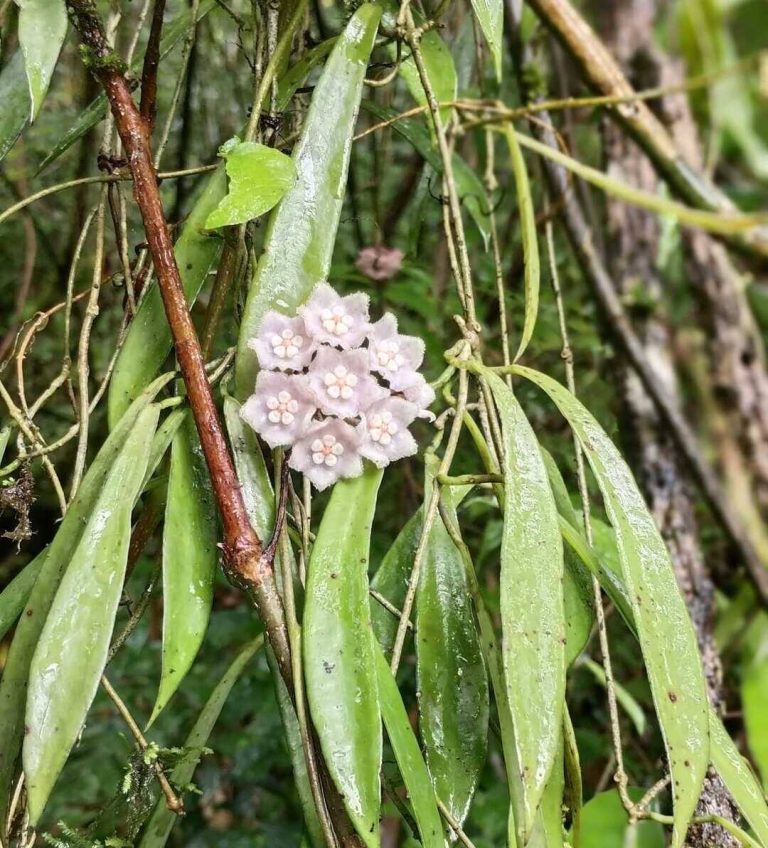
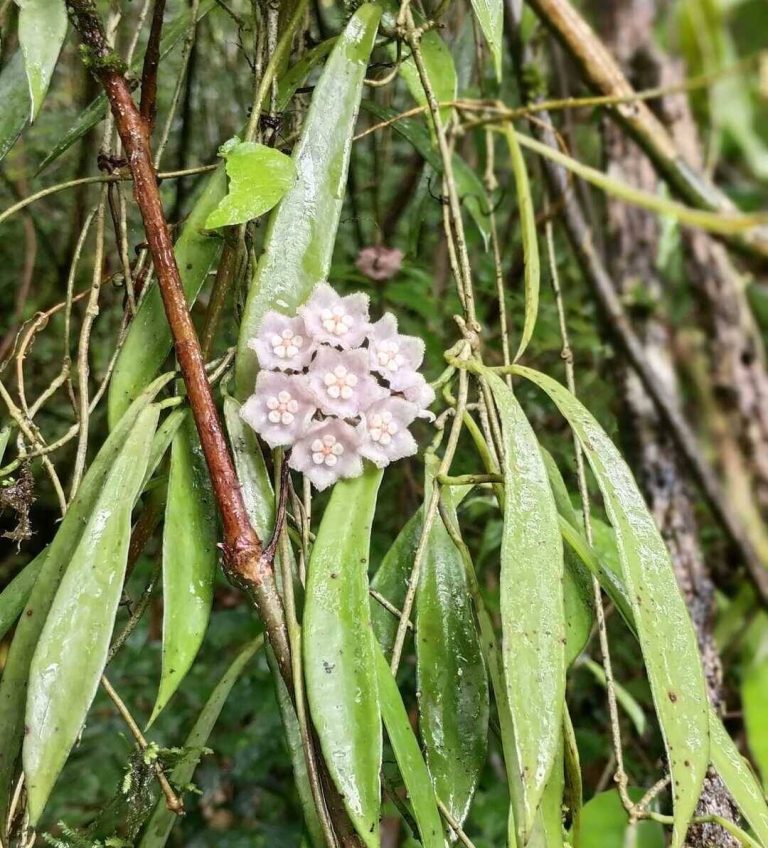
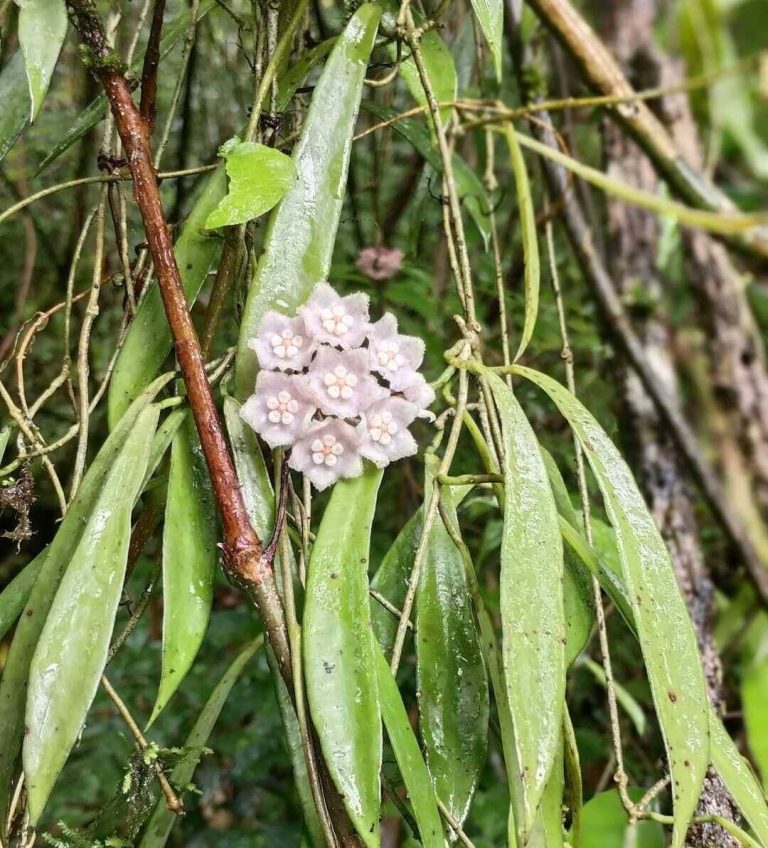
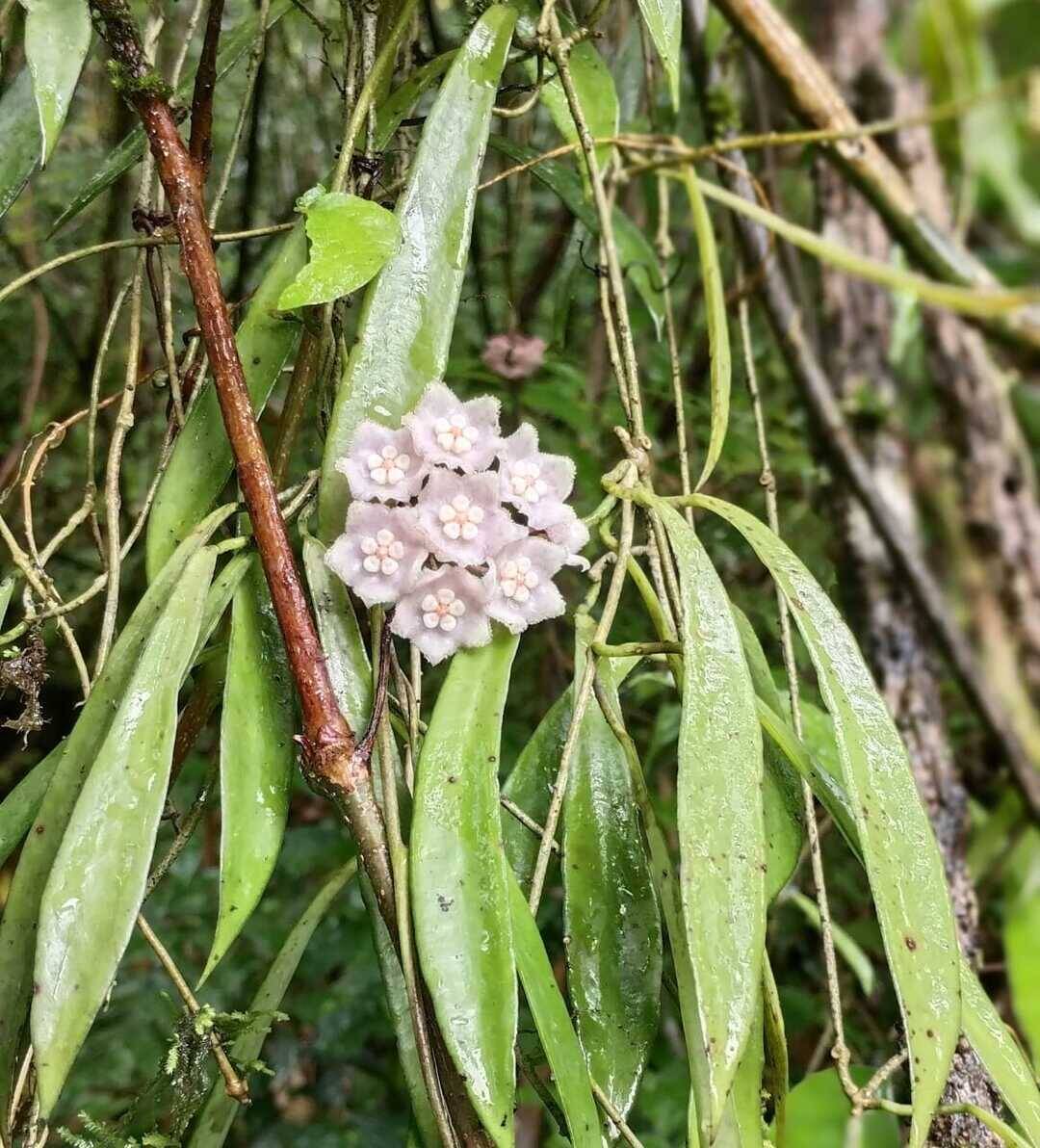
In a significant breakthrough, scientists from Nagaland University have made a remarkable discovery of a new plant species, Hoya nagaensis, in the community-protected high-altitude forests of Nagaland. The discovery was made in the Phek district of the state, and the species has been provisionally listed as Critically Endangered. This finding highlights the rich but under-explored biodiversity of the region and underscores the crucial role of indigenous forest conservation practices.
The discovery of Hoya nagaensis is a testament to the unique and diverse flora of Nagaland. The state, located in the northeastern part of India, is known for its lush forests, rolling hills, and vast array of plant species. The region’s biodiversity is attributed to its geographical location, which allows for a mix of tropical, subtropical, and temperate species to thrive. However, despite its rich biodiversity, Nagaland’s flora remains under-explored, and many species remain undiscovered.
The discovery of Hoya nagaensis was made possible through the collaborative efforts of scientists from Nagaland University and local communities. The research team, led by Dr. [Name], conducted an extensive survey of the high-altitude forests in Phek district, where they collected and analyzed plant samples. The team used advanced techniques, including DNA sequencing and morphological analysis, to identify the new species.
Hoya nagaensis is a member of the Apocynaceae family, which includes over 400 species of flowering plants. The new species is characterized by its unique leaf shape, flower structure, and growth habit. The plant is found in the high-altitude forests of Phek district, where it grows on tree trunks and branches. The species is adapted to the region’s cool and humid climate, with high levels of rainfall and mist.
The discovery of Hoya nagaensis has significant implications for conservation efforts in Nagaland. The species has been provisionally listed as Critically Endangered, due to its limited geographic range and the threats it faces from habitat loss, fragmentation, and degradation. The main threats to the species are the expansion of agriculture, livestock grazing, and logging, which are leading to the destruction and degradation of its habitat.
The conservation of Hoya nagaensis is crucial, not only for the protection of the species itself but also for the maintenance of the region’s ecosystem. The high-altitude forests of Nagaland provide a range of ecosystem services, including water regulation, soil conservation, and carbon sequestration. The forests are also home to a variety of other plant and animal species, many of which are endemic to the region.
The discovery of Hoya nagaensis highlights the importance of indigenous forest conservation practices in Nagaland. The state has a long tradition of community-led forest conservation, with many villages and communities protecting and managing their forests for generations. These conservation efforts have helped to maintain the region’s biodiversity, including the protection of endangered species like Hoya nagaensis.
The Nagaland University’s discovery of Hoya nagaensis is a significant achievement, not only for the scientific community but also for the local communities who have been instrumental in the conservation of the region’s forests. The discovery demonstrates the importance of collaborative research and the need for continued support for community-led conservation initiatives.
In conclusion, the discovery of Hoya nagaensis is a significant breakthrough that highlights the rich biodiversity of Nagaland and the importance of indigenous forest conservation practices. The species’ provisional listing as Critically Endangered underscores the need for urgent conservation action to protect the species and its habitat. The discovery also demonstrates the importance of collaborative research and the need for continued support for community-led conservation initiatives.
As we move forward, it is essential that we prioritize the conservation of Nagaland’s unique and diverse flora, including the protection of endangered species like Hoya nagaensis. This can be achieved through a combination of scientific research, community engagement, and policy support. By working together, we can ensure the long-term conservation of Nagaland’s biodiversity and the maintenance of its ecosystem services.
About the Author