Nagaland University discovers new plant species in state
In a groundbreaking discovery, scientists from Nagaland University have identified a new plant species, Hoya nagaensis, in the community-protected high-altitude forests of Nagaland. The finding, which was made in the Phek district, highlights the region’s rich but under-explored biodiversity and underscores the importance of indigenous forest conservation practices. The newly discovered species has been provisionally listed as Critically Endangered, emphasizing the need for urgent conservation efforts to protect this unique plant.
The discovery of Hoya nagaensis is a significant milestone in the field of botany, as it expands our understanding of the flora of Nagaland and the Eastern Himalayas. The region is known for its incredible biodiversity, with a wide range of plant and animal species that are found nowhere else in the world. However, much of this biodiversity remains unexplored and undocumented, making discoveries like this one all the more important.
The team of scientists from Nagaland University, led by Dr. [Name], conducted an extensive survey of the community-protected forests in Phek district, where they collected and analyzed plant samples. The research team used a combination of traditional taxonomic methods and modern techniques, such as DNA sequencing, to identify and characterize the new species.
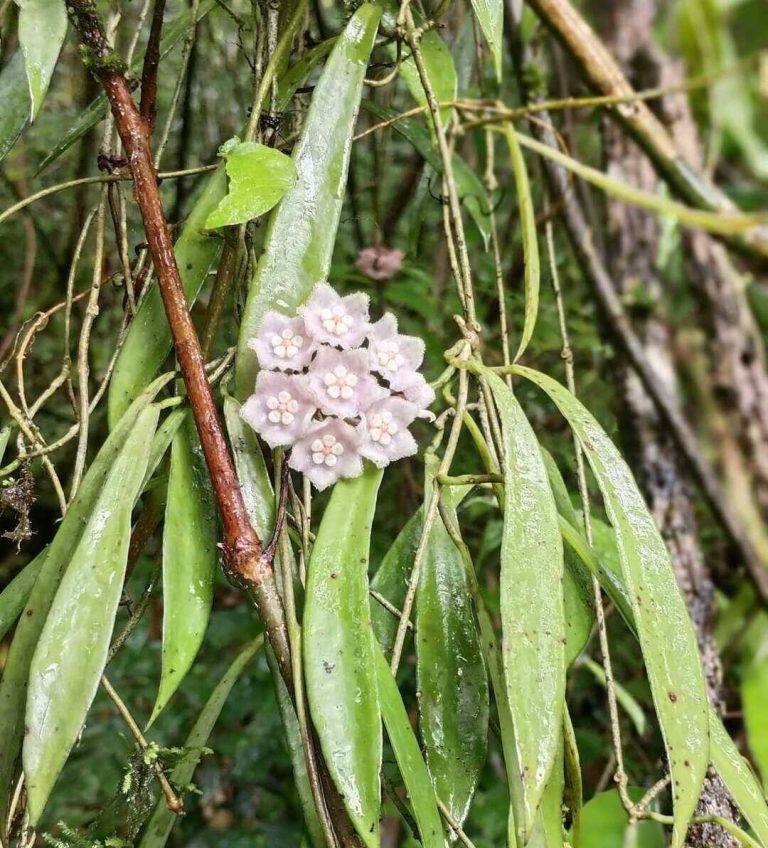
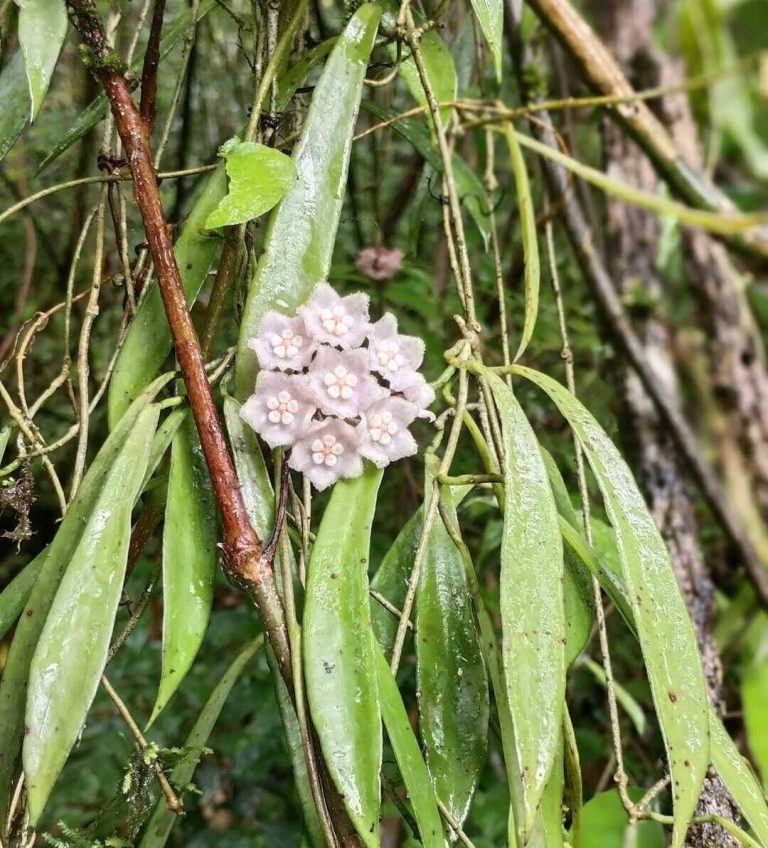
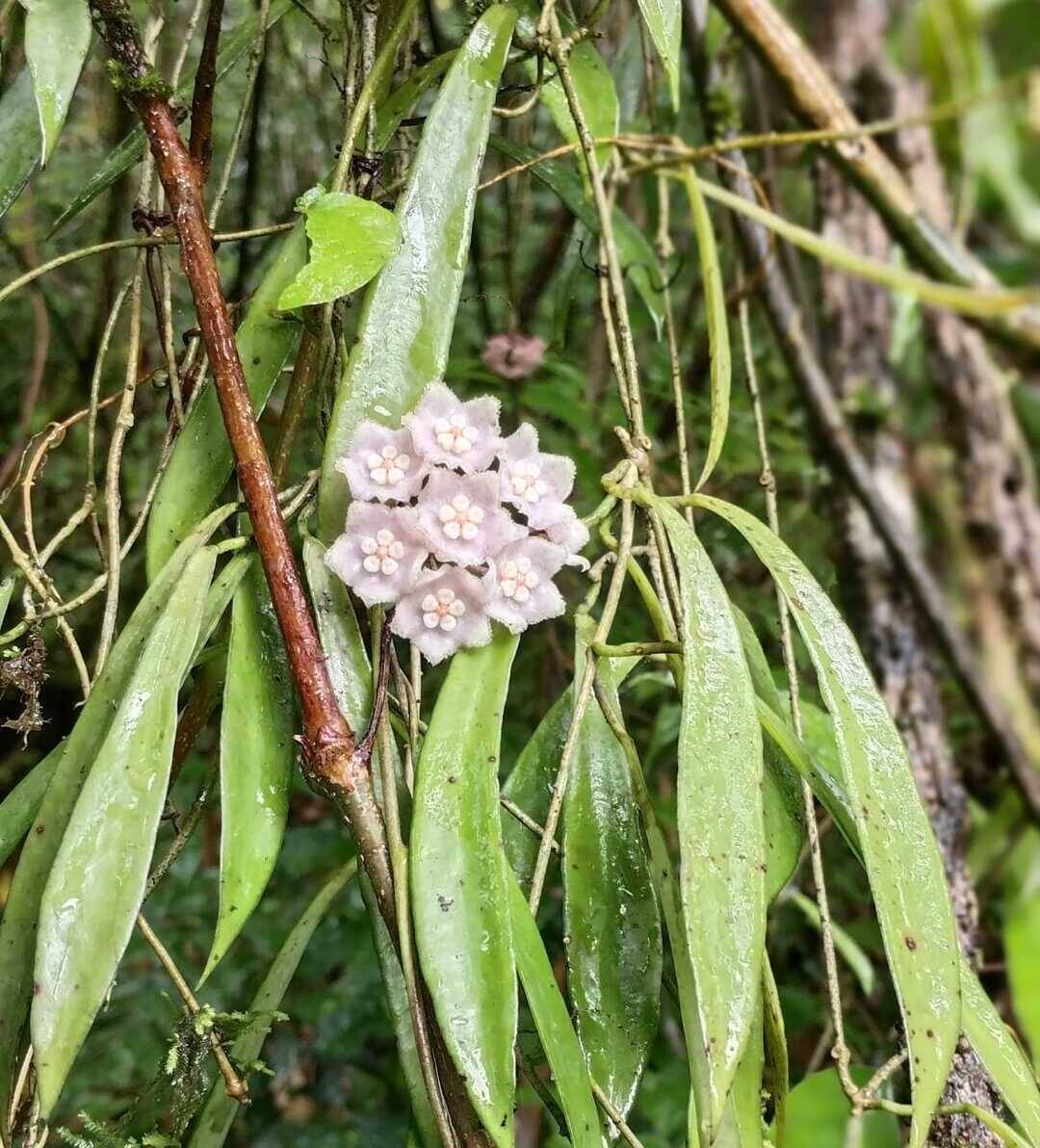
Hoya nagaensis is a member of the Apocynaceae family, which is commonly known as the dogbane family. The plant is a climbing species, with thick, waxy leaves and small, white flowers that are fragrant and star-shaped. The species is found in the high-altitude forests of Phek district, where it grows on tree trunks and rocks.
The discovery of Hoya nagaensis is not only significant from a scientific perspective, but it also highlights the importance of community-led conservation efforts. The forests where the species was found are protected and managed by local communities, who have been working to conserve the area’s biodiversity for generations. This approach to conservation has been shown to be highly effective, as it takes into account the traditional knowledge and practices of local communities, while also promoting sustainable livelihoods.
The provisional listing of Hoya nagaensis as Critically Endangered emphasizes the need for urgent conservation efforts to protect this unique plant. The species is found in a limited geographic range, and its population is likely to be small, making it vulnerable to threats such as habitat loss, over-exploitation, and climate change. To address these threats, conservation efforts will need to be put in place to protect the species and its habitat, while also promoting sustainable livelihoods for local communities.
The discovery of Hoya nagaensis is a testament to the rich biodiversity of Nagaland and the importance of preserving it. The region’s unique cultural and ecological heritage makes it an important location for conservation efforts, and the involvement of local communities is crucial to the success of these efforts. As we move forward, it is essential that we prioritize the conservation of Nagaland’s biodiversity, while also promoting sustainable development and livelihoods for local communities.
In conclusion, the discovery of Hoya nagaensis is a significant milestone in the field of botany, highlighting the region’s rich but under-explored biodiversity. The finding emphasizes the importance of community-led conservation efforts and the need for urgent action to protect this unique plant. As we work to conserve the biodiversity of Nagaland, we must prioritize the involvement of local communities and promote sustainable livelihoods, while also addressing the threats facing this incredible region.
The discovery of Hoya nagaensis is a reminder that there is still much to be learned about the natural world, and that conservation efforts are essential to protecting the unique and fragile ecosystems that exist on our planet. As we move forward, it is essential that we prioritize the conservation of biodiversity, while also promoting sustainable development and livelihoods for local communities.
The conservation of Hoya nagaensis and its habitat will require a collaborative effort from local communities, conservation organizations, and government agencies. It is essential that we work together to protect this unique plant and the ecosystem it inhabits, while also promoting sustainable livelihoods for local communities. By prioritizing conservation and sustainability, we can ensure the long-term protection of Nagaland’s biodiversity and the well-being of its people.
In the coming years, it is likely that more new plant species will be discovered in Nagaland, highlighting the region’s incredible biodiversity. The discovery of Hoya nagaensis is a significant milestone in the field of botany, and it emphasizes the importance of continued research and conservation efforts in the region. By working together, we can protect the unique biodiversity of Nagaland and promote sustainable development and livelihoods for local communities.
About the Author