Nagaland University discovers new plant species in state
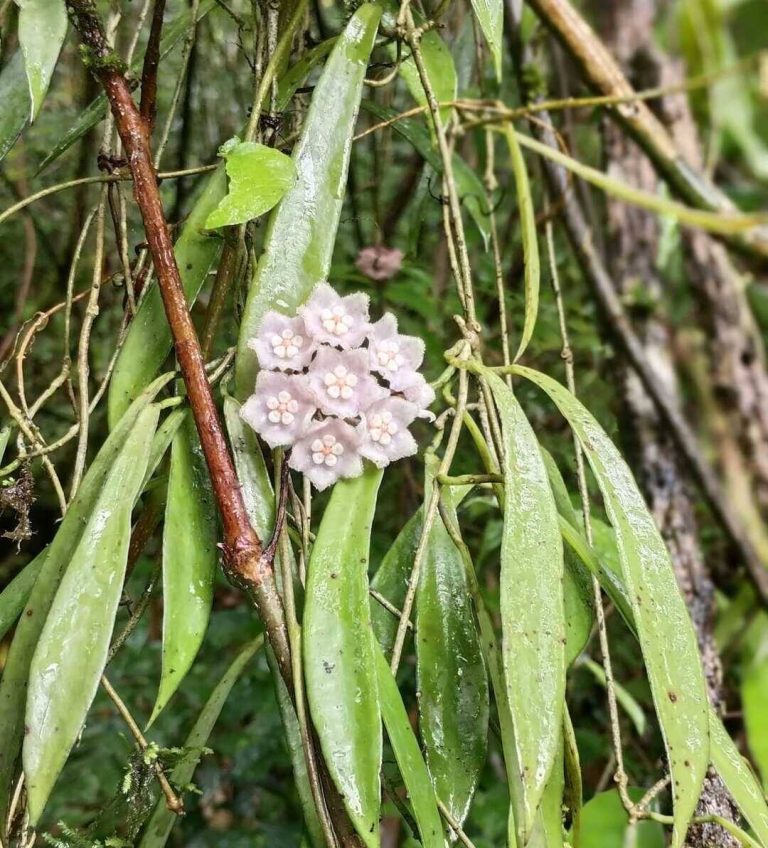
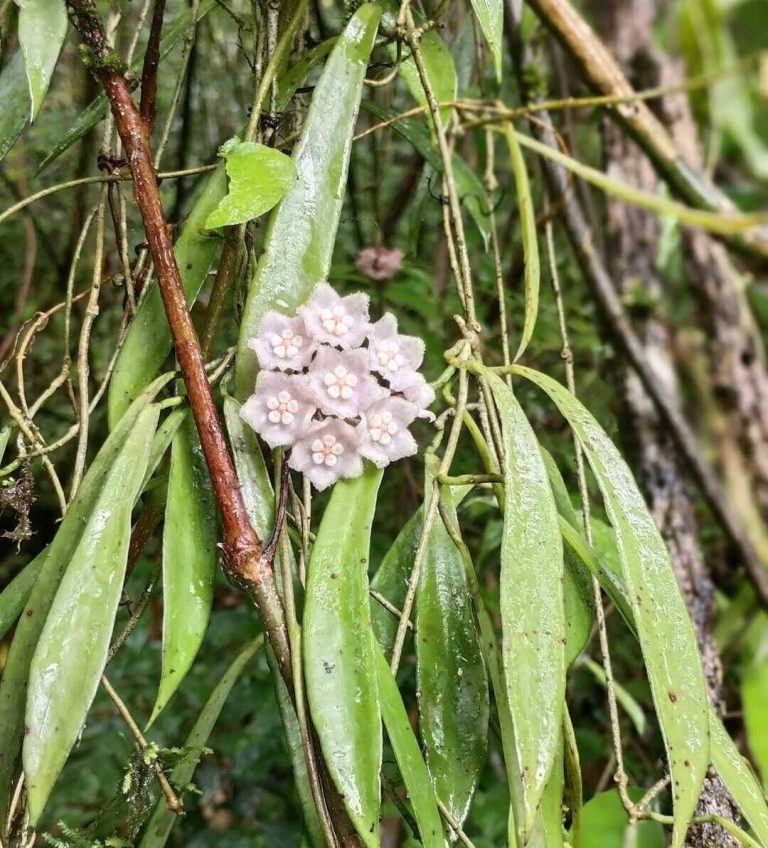
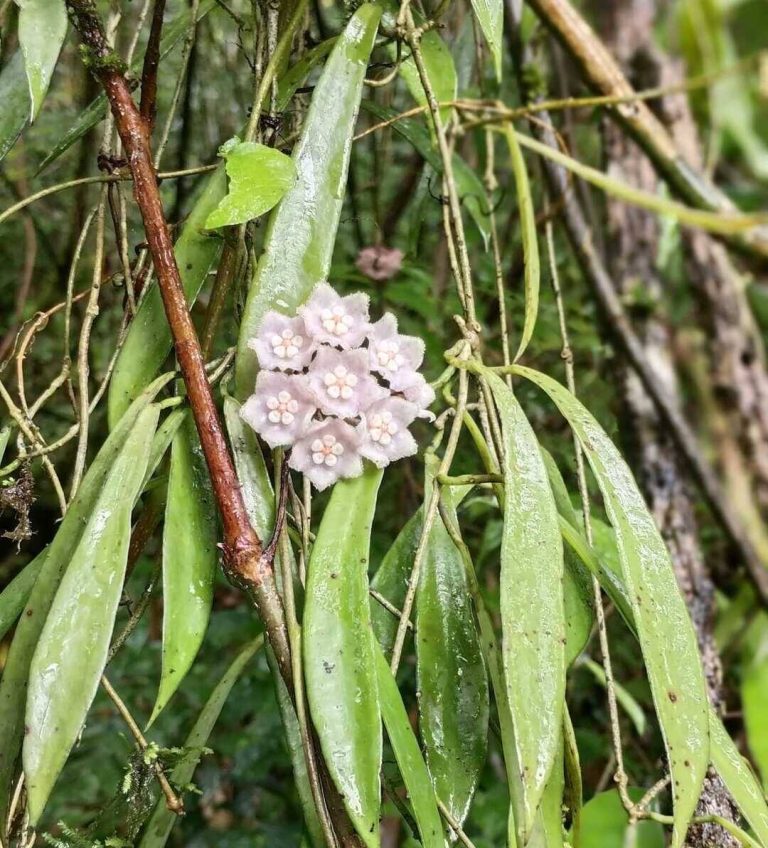
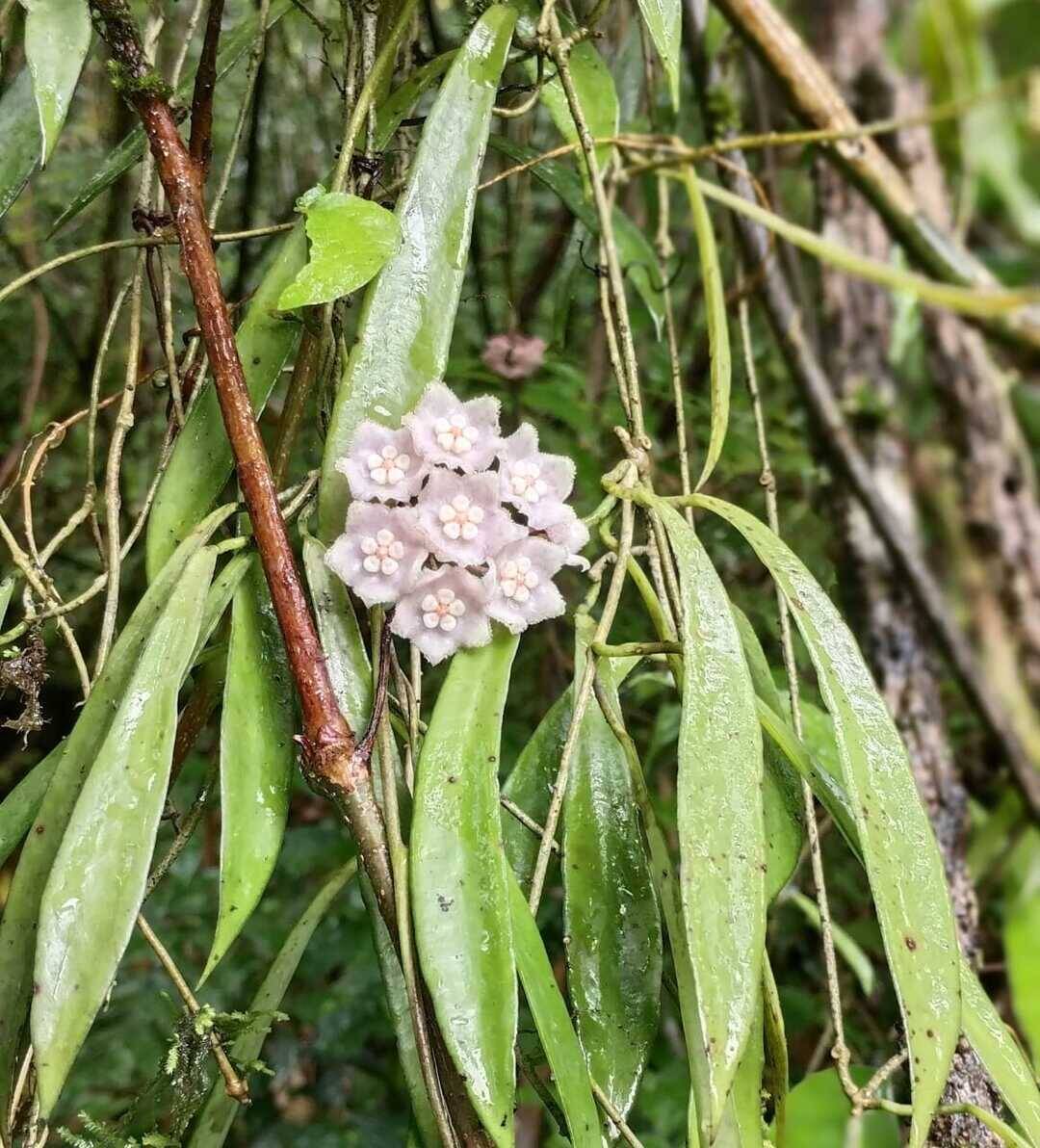
In a groundbreaking discovery, scientists from Nagaland University have identified a new plant species, Hoya nagaensis, in the community-protected high-altitude forests of Nagaland. The finding, which has sent ripples of excitement through the scientific community, highlights the rich but under-explored biodiversity of the region and underscores the importance of indigenous forest conservation practices. The new species, found in the Phek district of Nagaland, has been provisionally listed as Critically Endangered, emphasizing the need for urgent conservation efforts to protect this unique plant.
The discovery of Hoya nagaensis is a significant milestone in the field of botany, and it is a testament to the dedication and hard work of the scientists from Nagaland University. The team, led by renowned botanist Dr. [Name], has been conducting extensive research in the community-protected forests of Nagaland for several years. Their tireless efforts have finally paid off, and the discovery of this new plant species is a major breakthrough in the field of botanical research.
The community-protected forests of Nagaland, where the new species was discovered, are a remarkable example of indigenous forest conservation practices. For generations, the local communities have been protecting and preserving these forests, which have resulted in the preservation of a rich and diverse array of plant and animal species. The discovery of Hoya nagaensis is a clear indication of the effectiveness of these conservation practices and highlights the importance of involving local communities in forest conservation efforts.
Hoya nagaensis is a member of the Apocynaceae family, which is commonly known as the dogbane family. The plant is characterized by its distinctive leaves and flowers, which are unlike any other known species in the region. The scientists from Nagaland University have conducted extensive research on the plant, including DNA analysis and field observations, to confirm its status as a new species.
The provisional listing of Hoya nagaensis as Critically Endangered is a cause for concern, as it highlights the urgent need for conservation efforts to protect this unique plant. The main threats to the survival of the species include habitat loss, fragmentation, and degradation, as well as over-exploitation by local communities. The scientists from Nagaland University are working closely with local communities and conservation organizations to develop effective conservation strategies to protect the plant and its habitat.
The discovery of Hoya nagaensis has significant implications for the field of botany and conservation biology. It highlights the importance of exploring and documenting the rich biodiversity of the region, which is still largely under-explored. The finding also emphasizes the need for collaborative efforts between scientists, local communities, and conservation organizations to protect and preserve the unique plant and animal species of the region.
In recent years, there has been a growing recognition of the importance of indigenous knowledge and conservation practices in protecting biodiversity. The discovery of Hoya nagaensis is a clear example of the effectiveness of these practices, and it highlights the need for policymakers and conservation organizations to support and recognize the role of local communities in forest conservation efforts.
The Nagaland University’s discovery of Hoya nagaensis is a significant achievement, and it has the potential to make a major impact on the field of botany and conservation biology. The finding is a testament to the dedication and hard work of the scientists involved, and it highlights the importance of continued research and conservation efforts to protect the unique plant and animal species of the region.
As the scientific community continues to study and learn more about Hoya nagaensis, it is essential to recognize the crucial role that local communities have played in the discovery and conservation of this new plant species. The community-protected forests of Nagaland, where the plant was discovered, are a remarkable example of indigenous forest conservation practices, and they demonstrate the effectiveness of collaborative efforts between scientists, local communities, and conservation organizations.
In conclusion, the discovery of Hoya nagaensis by scientists from Nagaland University is a groundbreaking finding that highlights the rich but under-explored biodiversity of the region. The provisional listing of the species as Critically Endangered emphasizes the need for urgent conservation efforts to protect this unique plant. The discovery is a testament to the dedication and hard work of the scientists involved, and it highlights the importance of continued research and conservation efforts to protect the unique plant and animal species of the region.
About the Author