Nagaland University discovers new plant species in state
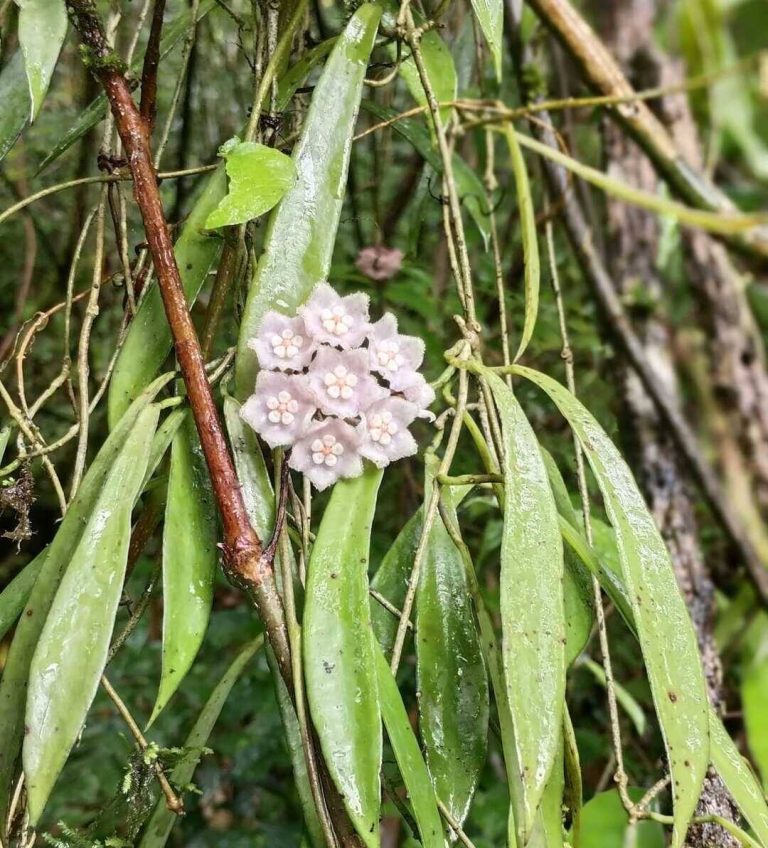
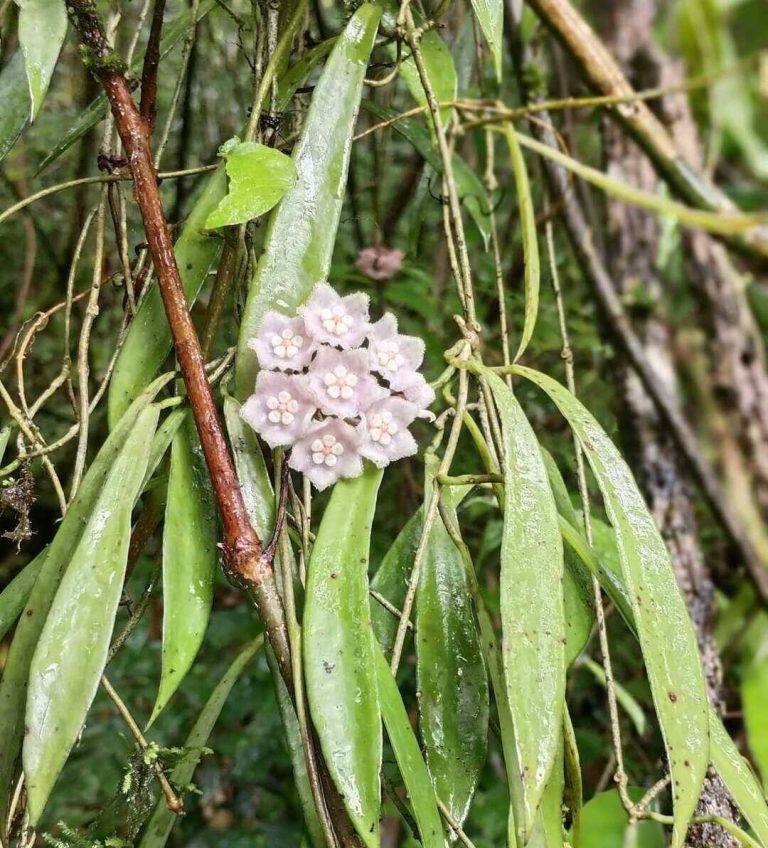
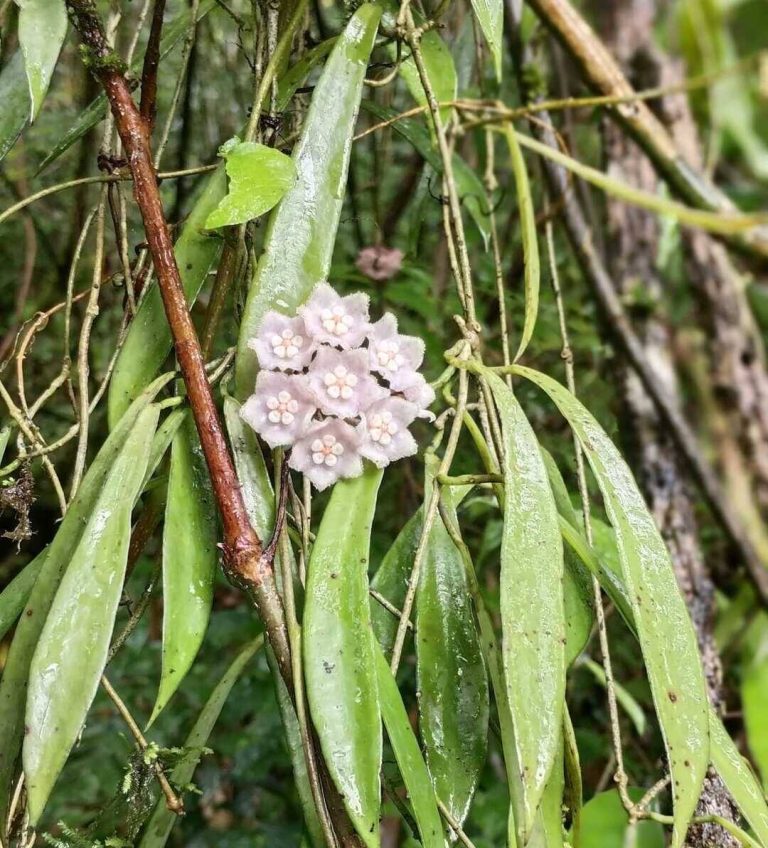
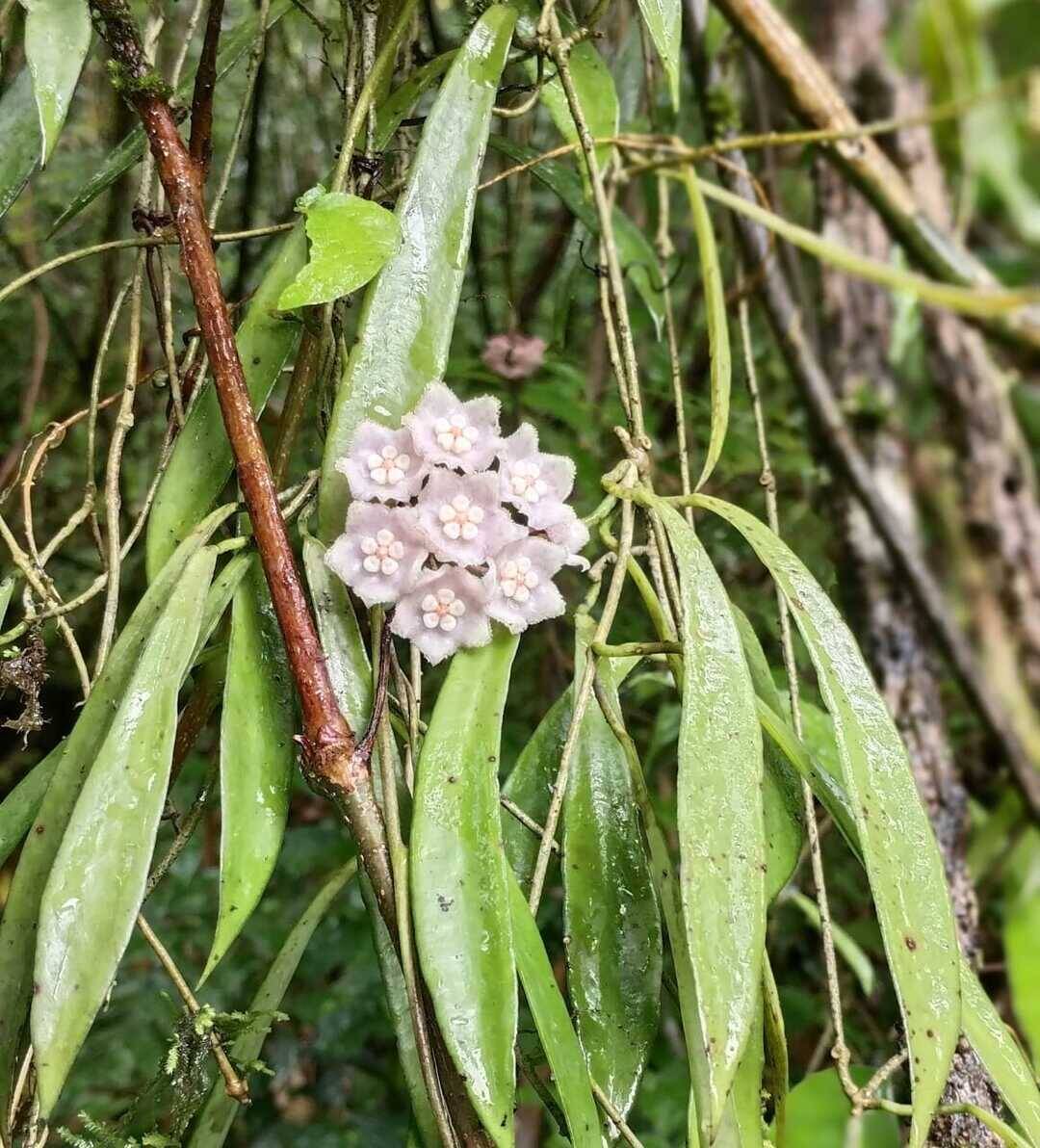
In a groundbreaking discovery, scientists from Nagaland University have identified a new plant species, Hoya nagaensis, in the community-protected high-altitude forests of Nagaland. The species, found in the Phek district, has been provisionally listed as Critically Endangered, highlighting the urgent need for conservation efforts to protect this unique and fragile ecosystem. This remarkable finding not only underscores the region’s rich biodiversity but also emphasizes the vital role of indigenous forest conservation practices in preserving the natural heritage of Nagaland.
The discovery of Hoya nagaensis is a significant milestone in the field of botany, as it sheds new light on the unexplored flora of Nagaland. The state, located in the northeastern part of India, is home to a diverse range of plant species, many of which remain unknown to the scientific community. The high-altitude forests of Nagaland, in particular, are a treasure trove of biodiversity, with a unique combination of tropical and temperate plant species that are found nowhere else in the world.
The discovery of Hoya nagaensis was made possible by the collaborative efforts of scientists from Nagaland University and local community members who have been instrumental in protecting and conserving the forests of Phek district. The community-protected forests of Nagaland are a testament to the indigenous people’s deep understanding of the natural world and their commitment to preserving the environment for future generations.
The new plant species, Hoya nagaensis, is a member of the Apocynaceae family, which includes a wide range of plant species commonly known as milkweeds or dogbanes. The species is characterized by its distinctive leaves, flowers, and fruits, which are unlike any other known plant species in the region. Further research is needed to fully understand the properties and potential uses of Hoya nagaensis, but preliminary studies suggest that it may have significant medicinal and economic value.
The provisional listing of Hoya nagaensis as Critically Endangered is a cause for concern, as it highlights the urgent need for conservation efforts to protect this species and its habitat. The main threats to the survival of Hoya nagaensis include habitat loss and degradation, due to deforestation, urbanization, and other human activities. Climate change is also a significant threat, as it alters the delicate balance of the ecosystem and makes it difficult for plant species to adapt and survive.
The discovery of Hoya nagaensis is a wake-up call for policymakers, conservationists, and local communities to come together and protect the rich biodiversity of Nagaland. The state government, in collaboration with local communities and conservation organizations, must take immediate action to safeguard the community-protected forests of Phek district and ensure the long-term survival of this unique and fragile ecosystem.
The conservation of Hoya nagaensis and its habitat requires a multi-faceted approach that involves not only the protection of the forest ecosystem but also the empowerment of local communities to manage and conserve their natural resources. This can be achieved through sustainable forest management practices, eco-tourism, and community-based conservation initiatives that promote the value of biodiversity and the importance of preserving the natural heritage of Nagaland.
In conclusion, the discovery of Hoya nagaensis is a significant breakthrough that highlights the rich biodiversity of Nagaland and the crucial role of indigenous forest conservation practices in preserving the natural heritage of the state. The provisional listing of the species as Critically Endangered is a wake-up call for urgent conservation action to protect this unique and fragile ecosystem. As we move forward, it is essential that we prioritize the conservation of Hoya nagaensis and its habitat, not only for the sake of the plant species itself but also for the benefit of the local communities and the environment as a whole.
The discovery of Hoya nagaensis is a testament to the importance of scientific research and collaboration between scientists, local communities, and conservation organizations. It is a reminder that there is still much to be discovered and explored in the natural world, and that the conservation of biodiversity is a collective responsibility that requires the active participation of all stakeholders.
As we celebrate this remarkable discovery, we must also acknowledge the challenges that lie ahead. The conservation of Hoya nagaensis and its habitat will require sustained efforts and commitment from all stakeholders, including policymakers, conservationists, local communities, and the scientific community. However, with collective action and a shared vision for the future, we can ensure the long-term survival of this unique and fragile ecosystem and preserve the natural heritage of Nagaland for generations to come.
About the Author