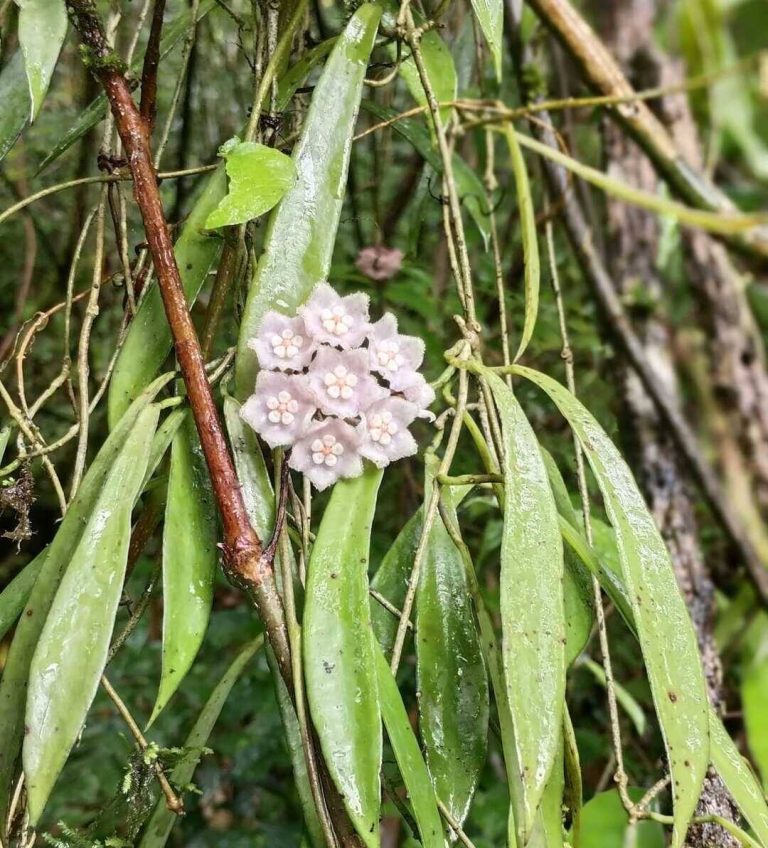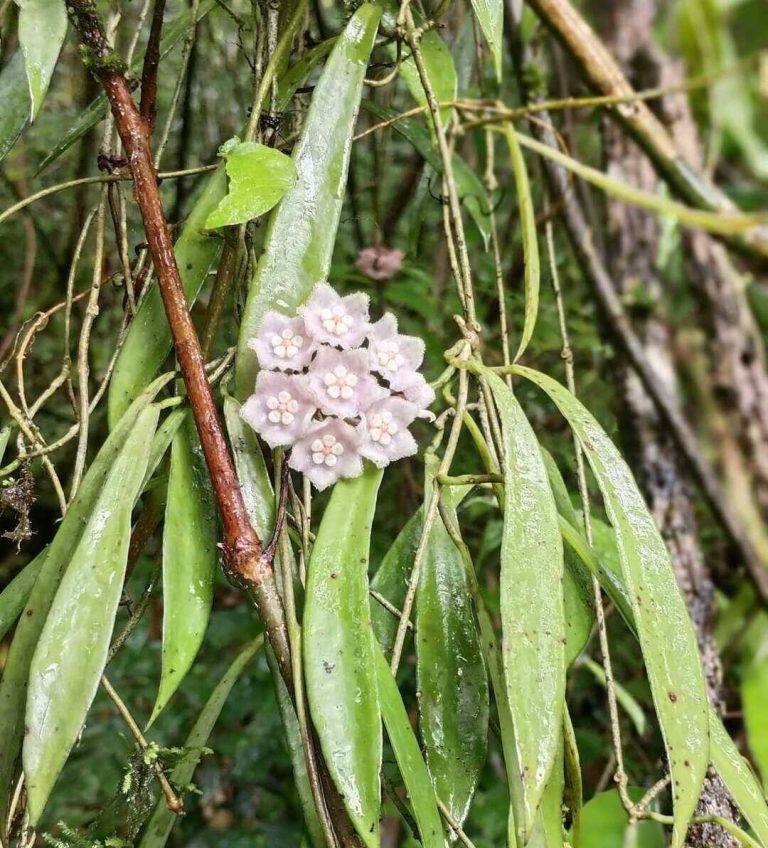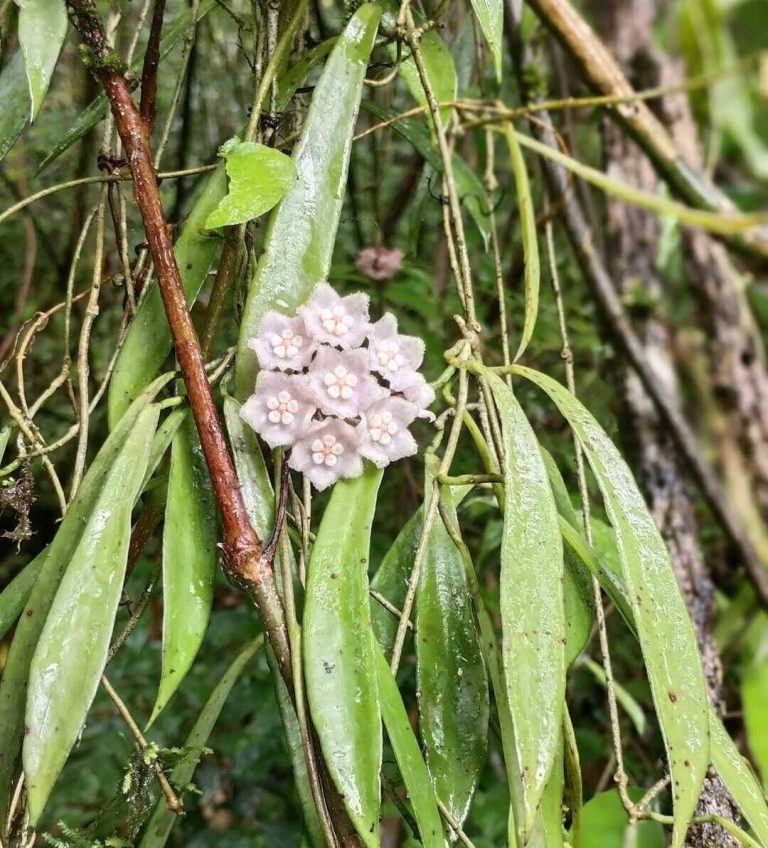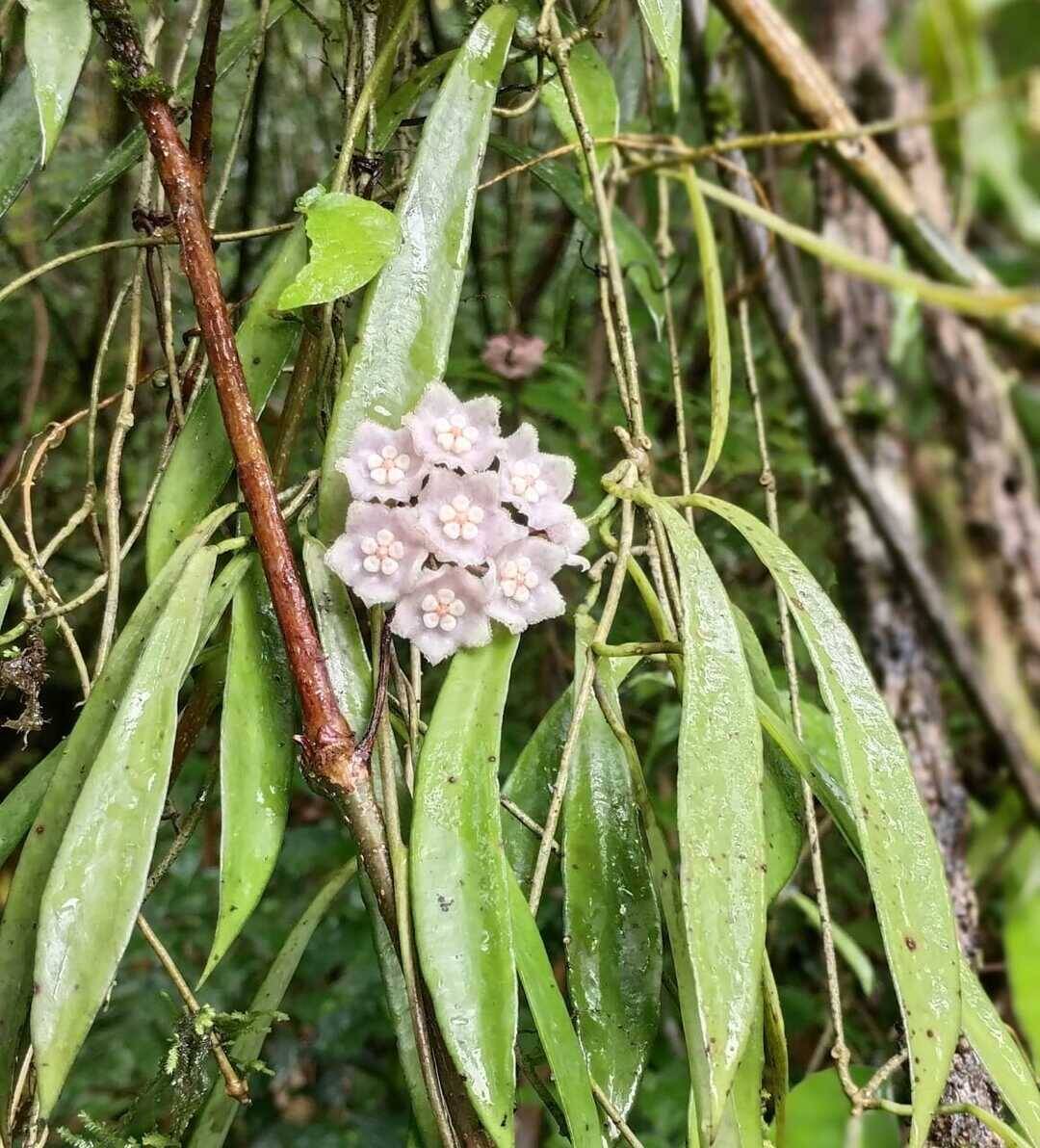
Nagaland University discovers new plant species in state
In a groundbreaking discovery, scientists from Nagaland University have identified a new plant species, Hoya nagaensis, in the community-protected high-altitude forests of Nagaland. The finding, which was made in the Phek district, highlights the rich but under-explored biodiversity of the region and underscores the importance of indigenous forest conservation practices. The newly discovered species has been provisionally listed as Critically Endangered, emphasizing the need for urgent conservation efforts to protect it.
The discovery of Hoya nagaensis is a significant milestone in the field of botany, and it sheds light on the vast and unexplored plant diversity of Nagaland. The state, located in the northeastern part of India, is home to a wide range of flora and fauna, thanks to its unique geography and climate. The region’s forests, which are largely community-protected, have been found to harbor a plethora of plant species that are found nowhere else in the world.
The team of scientists from Nagaland University, who made the discovery, conducted an extensive survey of the high-altitude forests in Phek district. The survey, which was carried out over several months, involved the collection and analysis of plant samples from the region. The researchers used a combination of traditional taxonomic methods and modern molecular techniques to identify the new species.
Hoya nagaensis is a member of the Apocynaceae family, which is commonly known as the dogbane family. The plant is characterized by its distinctive leaves and flowers, which are unlike any other known species in the region. The scientists have described the plant as a “remarkable discovery” that highlights the “unexpected diversity” of the region’s flora.
The discovery of Hoya nagaensis has significant implications for conservation efforts in the region. The plant has been provisionally listed as Critically Endangered, which means that it is at high risk of extinction in the wild. The main threats to the species include habitat loss and degradation, as well as over-collection of the plant for medicinal and ornamental purposes.
The community-protected forests of Nagaland, where the plant was discovered, play a crucial role in conserving the region’s biodiversity. These forests are managed and protected by local communities, who have traditionally relied on them for their livelihoods. The communities have developed unique conservation practices, which have helped to maintain the health and integrity of the forests.
The discovery of Hoya nagaensis highlights the importance of indigenous forest conservation practices in protecting the region’s biodiversity. The local communities have been conserving the forests for generations, using traditional knowledge and practices that have been passed down through the years. The conservation efforts of the local communities have helped to maintain the health and integrity of the forests, which in turn has enabled the discovery of new species like Hoya nagaensis.
The discovery of Hoya nagaensis is also a testament to the importance of collaborative research and conservation efforts. The scientists from Nagaland University worked closely with local communities and other stakeholders to conduct the survey and identify the new species. The collaboration has helped to build trust and raise awareness about the importance of conservation among local communities.
In conclusion, the discovery of Hoya nagaensis is a significant milestone in the field of botany, and it highlights the rich but under-explored biodiversity of Nagaland. The finding emphasizes the need for urgent conservation efforts to protect the species, which is provisionally listed as Critically Endangered. The discovery also underscores the importance of indigenous forest conservation practices in protecting the region’s biodiversity. As we move forward, it is essential that we continue to support and collaborate with local communities to conserve the region’s unique flora and fauna.
The discovery of Hoya nagaensis is a reminder that there is still much to be learned about the natural world, and that new species are waiting to be discovered. It is a call to action for scientists, conservationists, and policymakers to work together to protect the region’s biodiversity and to support the conservation efforts of local communities.
As we celebrate the discovery of Hoya nagaensis, we must also acknowledge the challenges that lie ahead. The conservation of the species will require a concerted effort from all stakeholders, including local communities, scientists, and policymakers. It will require the development of effective conservation strategies, as well as the allocation of resources to support conservation efforts.
In the end, the discovery of Hoya nagaensis is a beacon of hope for the conservation of the region’s biodiversity. It reminds us that even in the most unexpected places, there is still much to be discovered and conserved. As we move forward, let us continue to support and celebrate the conservation efforts of local communities, and let us work together to protect the unique flora and fauna of Nagaland.
News Source: https://hubnetwork.in/nagaland-university-scientists-discover-new-plant-species-in-community-protected-forests/
About the Author