Nagaland University discovers new plant species in state
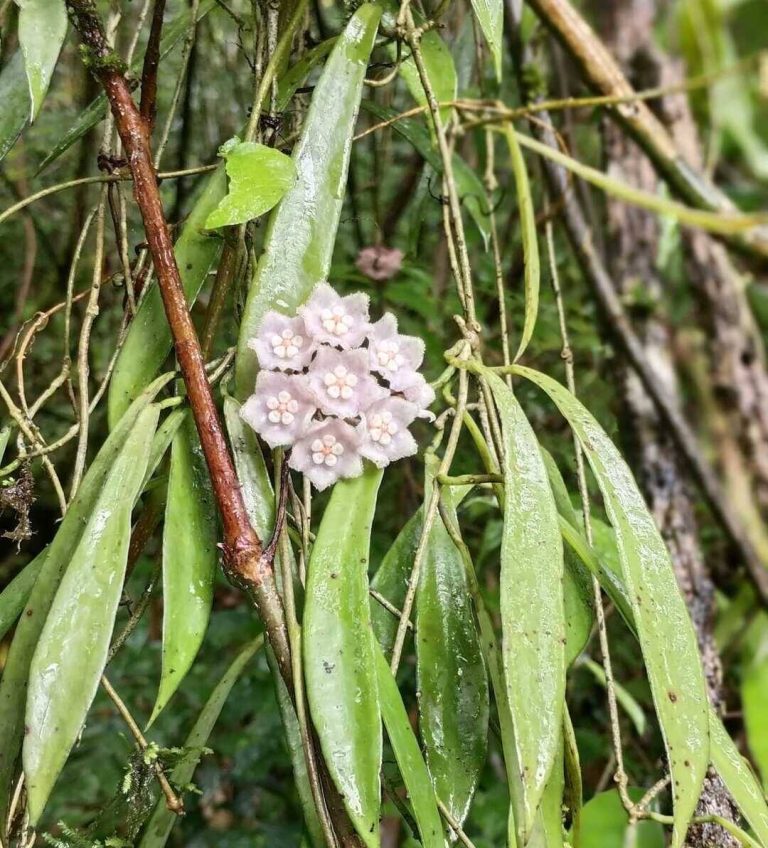
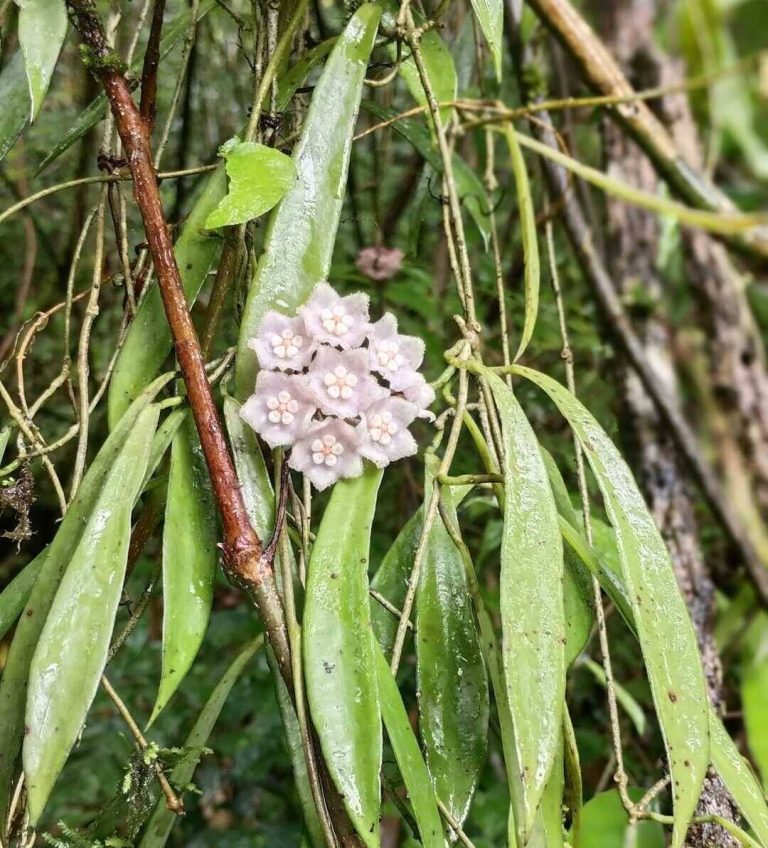
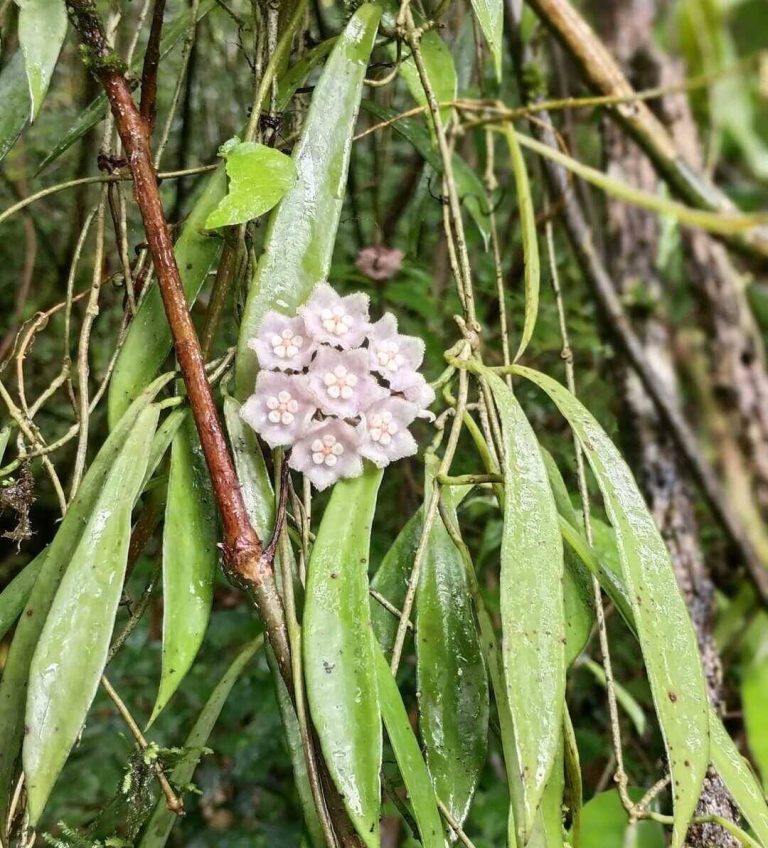
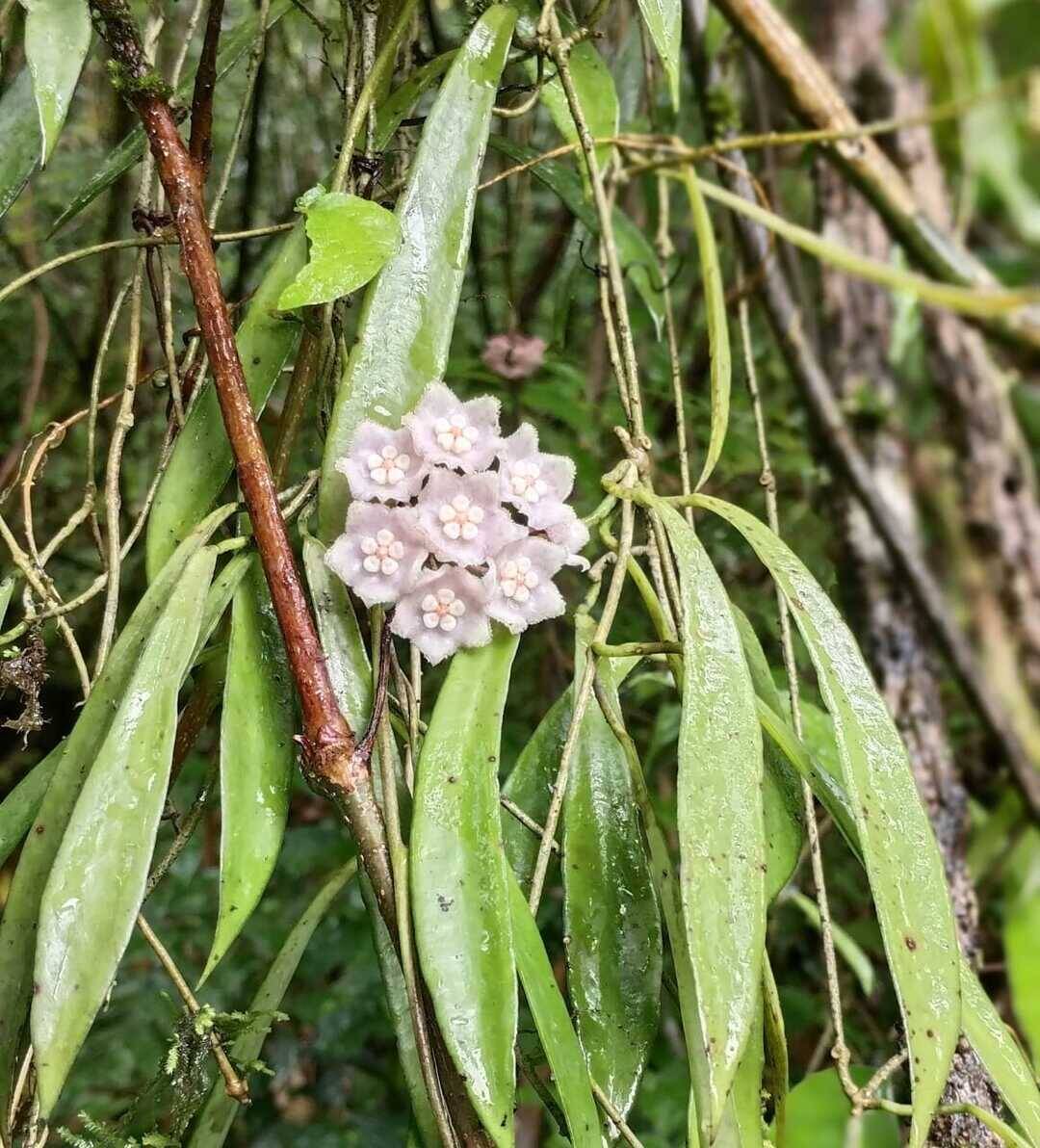
In a groundbreaking discovery, scientists from Nagaland University have identified a new plant species, Hoya nagaensis, in the community-protected high-altitude forests of Nagaland. The finding, which was made in the Phek district, highlights the rich but under-explored biodiversity of the region and underscores the importance of indigenous forest conservation practices. The newly discovered species has been provisionally listed as Critically Endangered, emphasizing the need for urgent conservation efforts to protect it.
The discovery of Hoya nagaensis is a significant milestone in the field of botany, as it sheds light on the unique and diverse flora of Nagaland. The state, located in the northeastern part of India, is known for its rugged terrain and diverse ecosystems, which support a wide range of plant and animal species. However, despite its rich biodiversity, Nagaland remains one of the most under-explored regions in the country, with many of its plant and animal species still awaiting discovery.
The team of scientists from Nagaland University, led by Dr. [Name], conducted an extensive survey of the community-protected forests in Phek district, which led to the discovery of Hoya nagaensis. The species was found to be a member of the Apocynaceae family, which is commonly known as the dogbane family. The plant is characterized by its distinctive leaves and flowers, which are unlike any other known species in the region.
The discovery of Hoya nagaensis is not only significant from a scientific perspective but also highlights the crucial role of indigenous forest conservation practices in protecting the region’s biodiversity. The community-protected forests in Phek district, where the species was found, are managed and protected by local communities, who have been conserving the forests for generations. These community-led conservation efforts have helped to maintain the health and integrity of the forests, allowing species like Hoya nagaensis to thrive.
The provisional listing of Hoya nagaensis as Critically Endangered is a cause for concern, as it highlights the urgent need for conservation efforts to protect the species. The main threats to the species include habitat loss and degradation, due to expanding agriculture and infrastructure development, as well as climate change. The scientists from Nagaland University are working closely with local communities and conservation organizations to develop a conservation plan for the species, which will involve measures to protect its habitat and reduce the impact of human activities on the species.
The discovery of Hoya nagaensis is a testament to the importance of community-led conservation efforts and the need for greater support and recognition of indigenous forest conservation practices. The conservation of biodiversity is a collective responsibility, and it requires the involvement and participation of local communities, scientists, and policymakers. By working together, we can ensure the long-term protection of species like Hoya nagaensis and the ecosystems they inhabit.
In conclusion, the discovery of Hoya nagaensis is a significant breakthrough in the field of botany, highlighting the rich biodiversity of Nagaland and the importance of indigenous forest conservation practices. The provisional listing of the species as Critically Endangered emphasizes the need for urgent conservation efforts to protect it. As we move forward, it is essential that we recognize the crucial role of community-led conservation efforts and provide greater support and recognition to indigenous forest conservation practices. By doing so, we can ensure the long-term protection of Nagaland’s unique and diverse flora and fauna.
The discovery of Hoya nagaensis is a reminder that there is still much to be learned about the natural world, and that scientific research and exploration are essential for advancing our knowledge and understanding of the world around us. As scientists and conservationists, we must continue to work together to protect and preserve the natural world, and to ensure that future generations can continue to marvel at the beauty and diversity of species like Hoya nagaensis.
In the coming years, the team of scientists from Nagaland University plans to conduct further research on Hoya nagaensis, including studies on its ecology, population dynamics, and conservation biology. These studies will provide valuable insights into the species’ behavior, habitat requirements, and population trends, which will inform conservation efforts and ensure the long-term protection of the species.
The discovery of Hoya nagaensis has also sparked interest and excitement among local communities, who are eager to learn more about the species and its conservation. The scientists from Nagaland University are working closely with local communities to develop educational programs and materials, which will raise awareness about the species and the importance of conservation. By engaging with local communities and involving them in conservation efforts, we can ensure that the protection of Hoya nagaensis is a collective effort, and that the species is valued and cherished by all.
In the end, the discovery of Hoya nagaensis is a powerful reminder of the importance of conservation and the need to protect the natural world. As we continue to face the challenges of climate change, habitat loss, and species extinction, it is essential that we prioritize conservation efforts and work together to protect the world’s most vulnerable species. By doing so, we can ensure a healthy and thriving planet, where species like Hoya nagaensis can continue to thrive for generations to come.
News Source: https://hubnetwork.in/nagaland-university-scientists-discover-new-plant-species-in-community-protected-forests/
About the Author