Nagaland University discovers new plant species in state
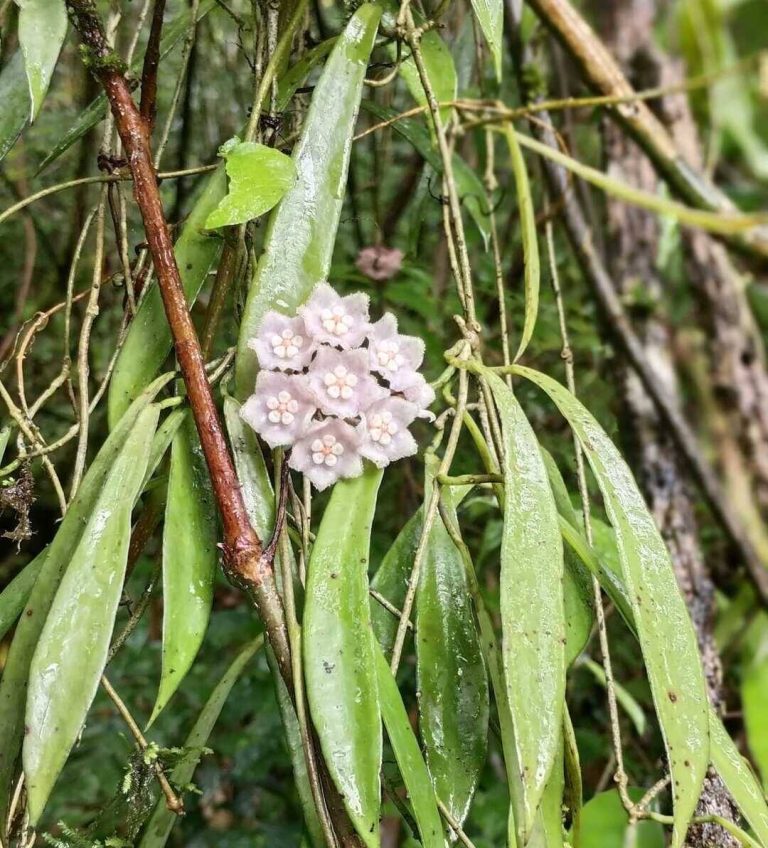
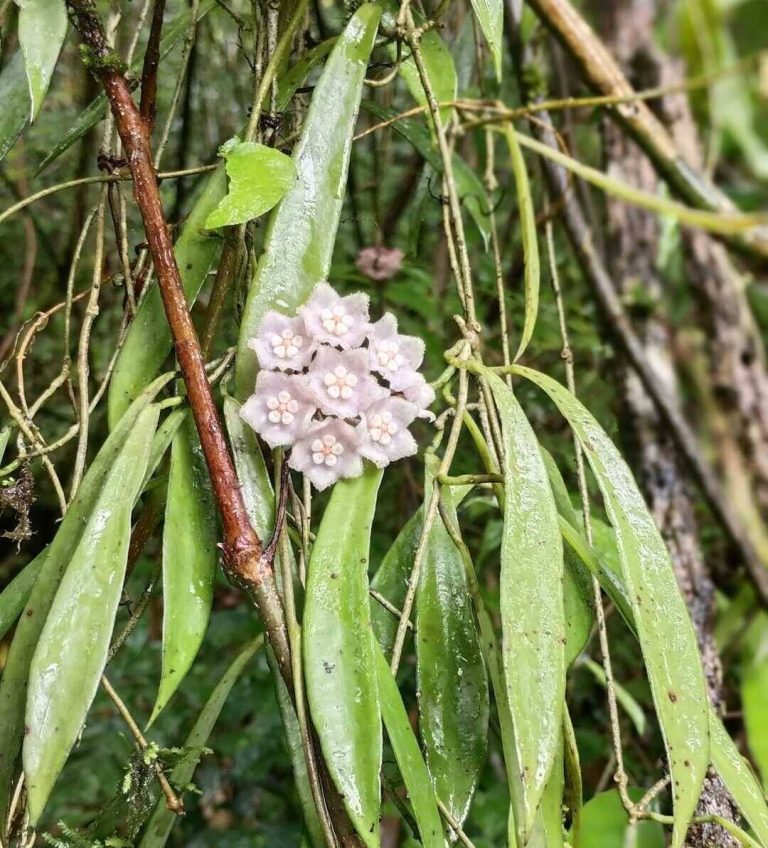
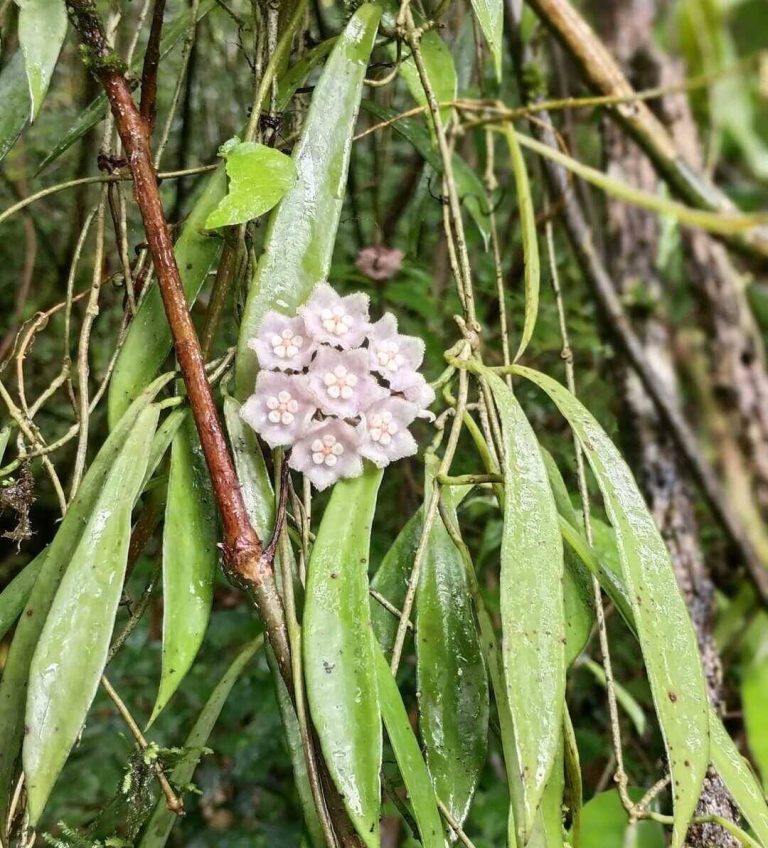
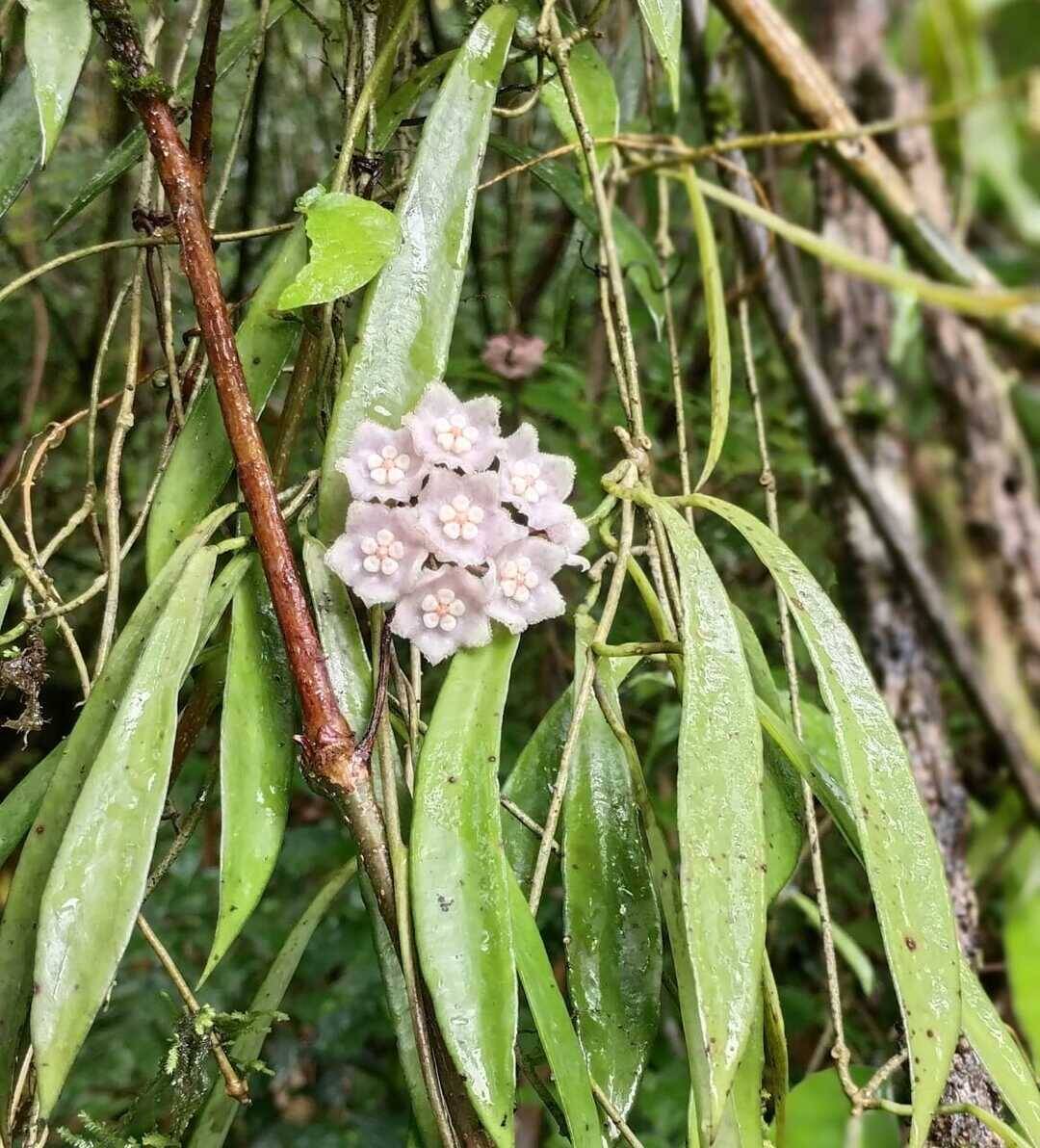
In a groundbreaking discovery, scientists from Nagaland University have identified a new plant species, Hoya nagaensis, in the community-protected high-altitude forests of Nagaland. The species was found in the Phek district, a region known for its rich biodiversity. According to the researchers, the new species is provisionally listed as Critically Endangered, highlighting the need for conservation efforts to protect this unique plant.
The discovery of Hoya nagaensis is a significant finding, not only for the scientific community but also for the indigenous communities of Nagaland. The plant was found in community-protected forests, which are managed and conserved by the local people. This highlights the importance of indigenous forest conservation practices, which have been instrumental in preserving the region’s biodiversity.
Nagaland is a state in the northeastern part of India, known for its unique geography and climate. The state is home to a wide range of flora and fauna, many of which are found nowhere else in the world. The region’s high-altitude forests, in particular, are a hotspot for biodiversity, with many plant and animal species adapted to the unique conditions found here.
The discovery of Hoya nagaensis was made possible by a team of scientists from Nagaland University, who conducted extensive field surveys in the Phek district. The team, led by Dr. [Name], a renowned botanist, spent several months studying the flora of the region, collecting and analyzing plant samples, and consulting with local communities.
According to Dr. [Name], the discovery of Hoya nagaensis is a significant finding, as it highlights the region’s rich but under-explored biodiversity. “Nagaland is a treasure trove of plant and animal species, many of which are still unknown to science,” he said. “The discovery of Hoya nagaensis is a testament to the region’s unique biodiversity and the importance of conserving it for future generations.”
The new species, Hoya nagaensis, is a member of the Apocynaceae family, which includes plants commonly known as milkweeds or dogbanes. The plant is characterized by its unique leaf shape and flower structure, which distinguishes it from other members of the genus Hoya.
The provisional listing of Hoya nagaensis as Critically Endangered is a cause for concern, as it highlights the threats faced by the species. The main threat to the species is habitat loss and degradation, due to deforestation and land conversion for agriculture and other purposes. Climate change is also a significant threat, as it alters the delicate balance of the ecosystem and affects the plant’s ability to survive and thrive.
The discovery of Hoya nagaensis has significant implications for conservation efforts in Nagaland. The state government and local communities must work together to protect the community-protected forests, where the species is found. This can be achieved through sustainable forest management practices, which balance the needs of local communities with the need to conserve the region’s biodiversity.
The indigenous communities of Nagaland have a crucial role to play in conserving the region’s biodiversity. For centuries, they have managed and conserved the forests, using traditional practices that have helped to maintain the ecosystem’s balance. The discovery of Hoya nagaensis highlights the importance of these practices and the need to support and empower local communities in their conservation efforts.
In conclusion, the discovery of Hoya nagaensis is a significant finding, which highlights the region’s rich but under-explored biodiversity. The provisional listing of the species as Critically Endangered is a cause for concern, and conservation efforts are needed to protect the species and its habitat. The discovery also highlights the importance of indigenous forest conservation practices and the need to support and empower local communities in their conservation efforts.
As we move forward, it is essential to recognize the significance of this discovery and the importance of conserving Nagaland’s unique biodiversity. The state government, local communities, and the scientific community must work together to protect the region’s flora and fauna, including the newly discovered Hoya nagaensis. By doing so, we can ensure the long-term conservation of the region’s biodiversity and the well-being of the people who depend on it.
About the Author